Why Are US Hindu Groups Condemning the Killing of a Garment Worker in Bangladesh?
Synopsis
The recent murder of a Hindu garment worker in Bangladesh has ignited outrage among US Hindu advocacy organizations. This incident emphasizes the growing vulnerability of religious minorities in Bangladesh, prompting calls for international action and highlighting the deteriorating human rights conditions in the region.
Key Takeaways
The murder of a Hindu garment worker has raised alarms about minority rights in Bangladesh.
US Hindu advocacy groups are actively condemning the violence and calling for action.
Global awareness of the situation for religious minorities in Bangladesh is increasing.
Several US lawmakers have publicly condemned the incident.
The international community is urged to respond to this ongoing issue of discrimination.
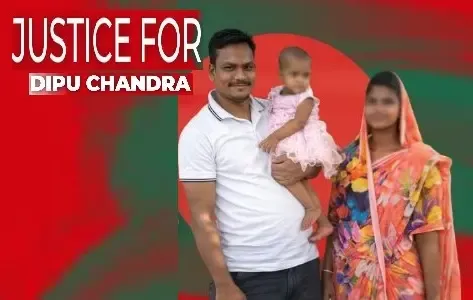
Washington, Dec 30 (NationPress) The murder of a Hindu garment worker in Bangladesh has sparked outrage from Hindu advocacy organizations in the United States, highlighting the precarious situation faced by religious minorities in the region.
The Hindu American Political Action Committee expressed that the “atrocious murder of Dipu Chandra Das” underscores the Bangladeshi government's inability to safeguard Hindus and other religious groups.
In a message distributed to its followers, the organization applauded the reactions of US lawmakers who have “acknowledged the circumstances in Bangladesh and condemned the killing.”
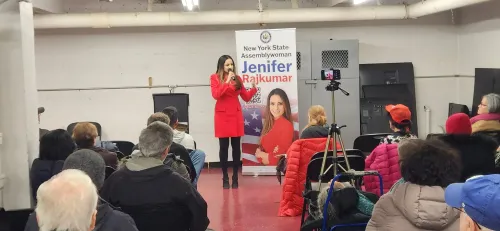
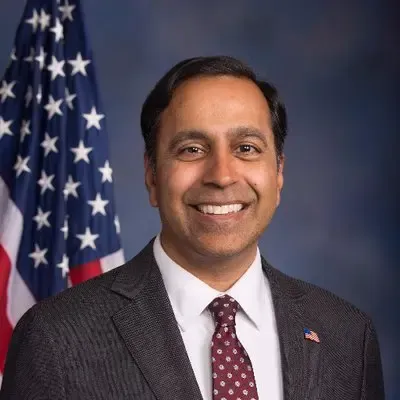
The group shared remarks from four legislators who condemned the event, including Congressmen Raja Krishnamoorthi, Ro J. Khanan, Suhas Subramanyam, Shri Thanedar, and New York Assemblywoman Jenifer Rajkumar.
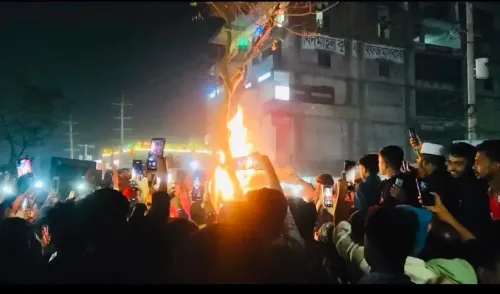
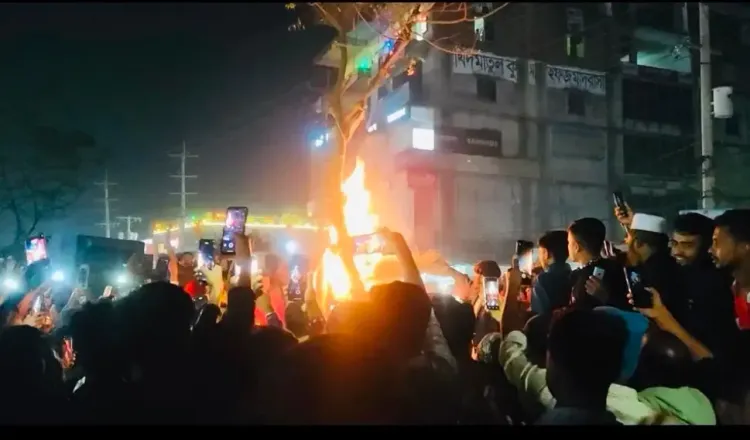
According to reports from advocacy groups, Das was publicly lynched on December 18, 2025. They stated he was brutally assaulted, stripped of his clothes, displayed in a public square, and subsequently burned. The groups denounced this act as a shocking display of violence that has resonated worldwide.
The killing, they indicated, was sparked by Das’s assertion that “all religions are alike.” They described him as a Hindu garment worker, and emphasized that this act has sent shockwaves through communities concerned about religious freedom and the rights of minorities in Bangladesh.
In a communication to supporters, the Hindu American PAC reiterated that advocating against violence and discrimination aimed at the Hindu community, both domestically and internationally, has been a key focus since its inception in 2012. The organization expressed satisfaction in having supported the election of numerous officials who understand the necessity of this advocacy.
Another group, HinduPact, has called upon supporters to urge international bodies to respond. They specifically appealed to the United Nations High Commissioner for Human Rights to “take stringent measures and respond decisively” to this crime. Supporters were encouraged to send emails advocating for intervention.
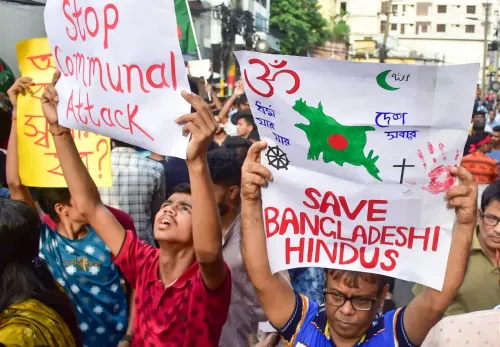
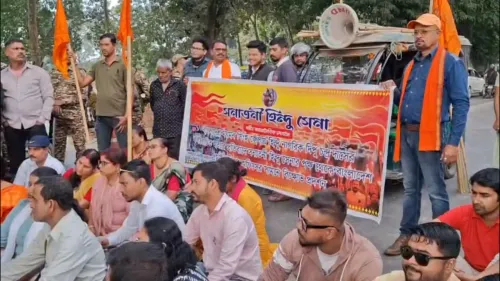
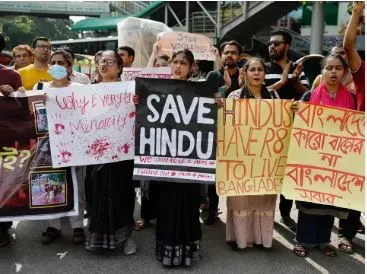
The groups also framed this incident within a larger context of violence against Hindus in Bangladesh, asserting that the community has been subjected to ongoing attacks and discrimination. They emphasized that this situation can no longer be overlooked by the global community.
As a Muslim-majority country, Bangladesh is currently under international scrutiny regarding its treatment of religious minorities like Hindus, Buddhists, and Christians. Reports indicate that the human rights situation in the nation has worsened in the past year and a half.
Frequently Asked Questions
What happened to the Hindu garment worker in Bangladesh?
The Hindu garment worker was brutally murdered, which has led to widespread condemnation from US-based Hindu advocacy groups.
Why is this incident significant?
This incident highlights the vulnerability of religious minorities in Bangladesh and raises concerns about the government's ability to protect them.
What actions are being taken in response to this murder?
Advocacy groups are urging international institutions to respond and are calling for action from the United Nations High Commissioner for Human Rights.
How has the US government reacted?
Several US lawmakers have condemned the murder and acknowledged the concerning situation in Bangladesh regarding religious minorities.
What are the broader implications of this incident?
This incident reflects a pattern of violence against religious minorities in Bangladesh, prompting calls for increased international scrutiny and action.