US lawmakers slam Trump's PERM suspension for Microsoft, tech firms
Synopsis
The Trump administration has suspended Microsoft, Adobe, and other tech giants from the PERM labour certification programme — the gateway to employment-based green cards — and two Democratic lawmakers are furious. For Indian tech workers already in the H-1B queue, this isn't an abstract policy fight: it's a blockage on the only road to permanent residency, in a backlog that already stretches decades.
Key Takeaways
The Trump administration suspended Microsoft , Adobe , and other tech firms from the PERM labour certification programme on 9 October 2026 .
Representatives Pramila Jayapal and Suzan DelBene of Washington state condemned the move as an attack on legal immigration.
Jayapal , the only member of Congress to have held an H-1B visa , called the action a 'hammer' on legal immigration.
The suspension blocks employers from initiating new green card applications but does not automatically cancel existing H-1B visas.
DelBene warned the move would 'inject uncertainty' and hamstring US innovation without addressing alleged H-1B abuse.
Indian-born tech professionals are among the most directly affected, given their disproportionate share of employment-based green card applications.
Two Democratic members of the US Congress on Thursday, 9 October 2026 sharply condemned the Trump administration's decision to suspend Microsoft, Adobe, and other technology companies from the Permanent Labour Certification (PERM) programme, a critical first step in the employment-based green card process. The lawmakers warned that the move imperils legal immigration pathways for thousands of skilled foreign professionals already working in the United States.
What the PERM Suspension Means
The PERM programme is the labour certification process that employers use to sponsor foreign workers for certain employment-based green cards. By suspending technology companies from participating, the administration effectively blocks those firms from initiating new permanent residency applications for their foreign national employees. Importantly, the action does not automatically cancel existing H-1B visas — its immediate impact is on employer access to the labour certification pipeline used for permanent residency.
What the Lawmakers Said
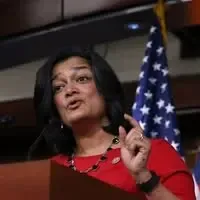
Representatives Pramila Jayapal and Suzan DelBene, both Democrats representing districts in Washington state, led the criticism. Jayapal, the ranking Democrat on the House Immigration Subcommittee and the only sitting member of Congress to have held an H-1B visa, called the suspension an assault on legal immigration. She also represents tens of thousands of Microsoft workers in her Seattle-area congressional district.
'The PERM program is the first step toward an employment-based green card for countless workers who want to contribute to this country, and it lays out a clear process with steps to ensure that this is a net benefit to our economy and does not harm American jobs,' Jayapal said.
She added: 'You don't fix a broken immigration system by taking a hammer to legal immigration.' The Indian-American lawmaker also defended Microsoft's record on immigration advocacy, arguing that 'targeting Microsoft or the PERM program in this way simply undermines legal immigration and weakens America's ability to innovate.'
DelBene, whose district includes a significant technology industry footprint, called the move 'an attack on current H-1B visa holders already in the United States.' She described it as a 'biased and punitive misuse of the law.' DelBene further argued the suspension would do nothing to address alleged H-1B abuse: 'Let's be clear: this move will have no impact on purported H-1B visa abuse.' She warned that the action would 'inject even more uncertainty into our already turbulent economy while hamstringing innovation, competitiveness, and ultimately American workers.'
Why This Matters for Indian Tech Workers
A disproportionately large share of employment-based green card applicants in the United States are Indian nationals, particularly in the technology and engineering sectors. The PERM backlog already stretches decades for Indian-born applicants due to per-country caps. Suspending major tech employers from the process further constricts an already strained pathway. This development comes amid broader Trump administration efforts to tighten both legal and undocumented immigration, which critics argue conflates the two categories.
Background and Broader Context
The H-1B programme allows US employers to recruit foreign professionals for specialised roles in technology, engineering, and scientific research. The PERM process precedes the H-1B-to-green-card transition and is separate from the visa itself. Suspending a company from PERM does not strip its current H-1B employees of status — but it does cut off their route to permanence. Notably, this is not the first time the administration has taken aim at legal immigration channels used heavily by the technology sector; earlier executive actions have targeted H-1B renewals and wage-level requirements. Critics argue the cumulative effect is a quiet dismantling of lawful high-skilled immigration infrastructure.
With midterm political dynamics intensifying, the PERM suspension is likely to draw further congressional scrutiny and possible legal challenges from affected companies.
Point of View
Not an H-1B loophole. Suspending major tech employers from it does not fix visa fraud — it simply freezes the legitimate permanence track for workers who followed every rule. The administration appears to be using PERM as leverage against companies it views as politically inconvenient, a precedent that should alarm anyone who values rule-of-law immigration. For Indian professionals already waiting decades in the green card backlog, this is not bureaucratic noise — it is the difference between a life built in the US and a forced departure after years of compliance.
NationPress
9 Oct 2026
Frequently Asked Questions
What is the PERM programme and why has it been suspended for tech firms?
The Permanent Labour Certification (PERM) programme is the US Department of Labor process that employers must complete before sponsoring a foreign worker for an employment-based green card. The Trump administration suspended Microsoft, Adobe, and other technology companies from participating, blocking them from initiating new permanent residency applications for skilled foreign employees.
Does the PERM suspension cancel existing H-1B visas?
No. The suspension does not automatically cancel existing H-1B visas. Its immediate impact is on employer access to the labour certification process required for certain permanent residency applications, not on current visa status.
Who are the lawmakers opposing the suspension, and why?
Representatives Pramila Jayapal and Suzan DelBene, both Democrats from Washington state, have condemned the move. Jayapal, the ranking Democrat on the House Immigration Subcommittee and a former H-1B visa holder herself, called it an attack on legal immigration; DelBene described it as a 'biased and punitive misuse of the law' that will not address alleged H-1B abuse.
How does this affect Indian tech workers in the United States?
Indian nationals make up a large portion of employment-based green card applicants in the US, particularly in technology. Many are already facing a backlog stretching decades due to per-country caps. Suspending their employers from PERM further blocks the only available route to permanent residency for those workers.
What happens next following the suspension?
The suspension is expected to face congressional scrutiny and potentially legal challenges from affected companies. Lawmakers have signalled continued opposition, and the broader pattern of administration actions targeting legal high-skilled immigration channels is likely to remain a flashpoint in the lead-up to the US midterms.