US lawmakers press DHS on Xinjiang forced-labour imports amid Labubu doll scrutiny
Synopsis
A collectible toy — the Labubu doll — has become an unlikely symbol of America's struggle to enforce its Xinjiang forced-labour import ban. With the UFLPA entity list now at 187 firms after its biggest-ever expansion, eight US lawmakers are pressing DHS on how it tracks goods assembled outside China but made with Xinjiang inputs — a question with consequences for every global supply chain.
Key Takeaways
Eight US lawmakers have formally demanded details from DHS on how effectively the UFLPA is stopping forced-labour-linked goods at the border.
Tests reportedly found cotton linked to China's Xinjiang region in Labubu dolls made by Pop Mart , triggering congressional scrutiny of the toy sector.
DHS recently expanded the UFLPA Entity List by 43 companies , bringing the total to 187 entities — its largest single addition.
Labour rights group China Labor Watch spent three months at the Shunjia Toys factory in Jiangxi province , reporting blank labour contracts, underage workers, and overtime violations.
Lawmakers also questioned DHS's use of artificial intelligence for supply-chain documentation and its approach to goods transshipped through third countries.
Eight US lawmakers have escalated pressure on the Department of Homeland Security (DHS) to explain how effectively American authorities are blocking goods linked to forced labour from entering the country, with scrutiny intensifying around a popular collectible — Labubu dolls made by Chinese toy company Pop Mart. The development, reported on 13 October 2026, underscores the widening debate over Xinjiang-linked supply chains and the practical limits of US import enforcement.
How Labubu Dolls Became a Trade Policy Flash Point
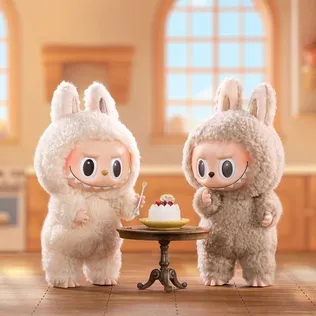
The rabbit-eared Labubu dolls, part of Pop Mart's popular 'The Monsters' toy line, came under the spotlight after tests reportedly suggested some units contained cotton traced to China's Xinjiang region. The findings drew attention precisely because the Uyghur Forced Labour Prevention Act (UFLPA) bars not only finished products exported directly from the region but also merchandise containing any material covered under the statute — meaning components, not just end products, fall within its scope.
This is a critical distinction. A product assembled in Vietnam or Cambodia using Xinjiang-origin cotton can still trigger the law, making traceability across multi-tier supply chains a central enforcement challenge.
UFLPA Entity List Expansion and Congressional Demands
The congressional push comes weeks after DHS made its largest single expansion of the UFLPA Entity List, adding 43 companies and bringing the total to 187 entities. The eight lawmakers have formally asked DHS for details on goods stopped by Customs and Border Protection (CBP) at the border, the criteria used to consider additional companies for the entity list, and — critically — how authorities handle goods whose components originate in China but are processed or assembled in third countries.
The lawmakers also sought clarity on how DHS is deploying artificial intelligence to assess country-of-origin information and supply-chain documentation, and on US collaboration with partner nations to address transshipment through third countries.
Labour Rights Violations at Pop Mart Supplier
The congressional scrutiny is reinforced by findings from New York-based labour rights group China Labor Watch, which earlier this year said it uncovered evidence of worker exploitation at a factory supplying Labubu dolls. Investigators who spent three months at Shunjia Toys factory in Xinfeng county, in south-east China's Jiangxi province, reportedly found that workers routinely signed blank labour contracts.
The group's report cited the employment of 16- and 17-year-olds without the special protections required under Chinese law, inadequate health and safety training, and other labour rights violations. Workers were also allegedly forced to sign blank cheques and work overtime — allegations that, if verified, would constitute violations even under Chinese domestic labour regulations.
The Broader Supply-Chain Enforcement Problem
This case highlights a structural challenge in US trade enforcement: global supply chains have grown sufficiently complex that the country of origin for any single product can involve raw material extraction, intermediate processing, and final assembly across three or more countries. The UFLPA's 'rebuttable presumption' standard — which places the burden of proof on importers to demonstrate goods are free of Xinjiang-linked inputs — has put significant compliance pressure on corporations.
Notably, this is not an isolated episode. The UFLPA has been deployed against sectors including solar panels, polysilicon, tomato products, and apparel since its enactment. The Labubu case extends that scrutiny to consumer toys and collectibles — a category not previously in the enforcement spotlight.
What Comes Next
DHS has not yet publicly responded to the eight lawmakers' formal queries. Pop Mart has also not issued a detailed public statement addressing the China Labor Watch findings. Congressional pressure, combined with pending CBP enforcement data, is likely to shape both the pace of future UFLPA entity-list expansions and the standards applied to toy and collectibles imports. Analysts say the case could set a precedent for how consumer goods brands manage third-party supplier audits.
Point of View
But it does not resolve the deeper problem — multi-tier supply chains deliberately obscure Xinjiang-origin inputs behind third-country processing. The lawmakers' questions about AI-based origin verification and transshipment are the right ones, but DHS has not yet demonstrated it has operational answers. Until importers face consistent, verifiable enforcement rather than selective headline cases, the UFLPA risks becoming a compliance exercise rather than a genuine deterrent.
NationPress
13 Oct 2026
Frequently Asked Questions
Why are US lawmakers pressuring DHS over Labubu dolls?
US lawmakers are pressing DHS because tests reportedly found cotton linked to China's Xinjiang region in Labubu dolls, raising questions about whether the UFLPA's forced-labour import ban is being effectively enforced. Eight lawmakers have formally asked DHS for data on goods stopped at the border and how third-country transshipment is being addressed.
What is the UFLPA and how does it apply to toys?
The Uyghur Forced Labour Prevention Act (UFLPA) bans imports of goods made wholly or partly with forced labour from China's Xinjiang region, placing the burden of proof on importers to demonstrate their supply chains are clean. The law covers not just finished goods exported directly from Xinjiang but also products containing Xinjiang-origin materials — meaning toys assembled elsewhere can still be blocked if their components are traced to the region.
How large is the UFLPA Entity List now?
Following its largest single expansion, the UFLPA Entity List now covers 187 entities after DHS added 43 companies. Companies on the list are presumed to use forced labour, and goods linked to them are blocked at US ports of entry unless importers can rebut that presumption.
What did China Labor Watch find at the Labubu supplier factory?
China Labor Watch said investigators spent three months at the Shunjia Toys factory in Xinfeng county, Jiangxi province, and found workers signing blank labour contracts, 16- and 17-year-olds employed without legally required protections, inadequate health and safety training, and workers allegedly forced to sign blank cheques and work overtime. Pop Mart has not issued a detailed public response to the findings.
What are US lawmakers specifically asking DHS to clarify?
The eight lawmakers have asked DHS for data on goods stopped by Customs and Border Protection at the border, the criteria for adding companies to the UFLPA entity list, how the agency handles goods with Chinese-origin components assembled in third countries, how artificial intelligence is being used to verify country-of-origin claims, and how the US is coordinating with partner nations to curb transshipment.