India urges USTR to choose cooperation over tariffs on forced labour
Synopsis
At a USTR hearing in Washington, India's industry body CII pushed back hard against a proposed 12.5% tariff on Indian exports under a Section 301 forced labour investigation — arguing that India's compliance architecture is already robust and that punitive duties would hurt American manufacturers more than they would fix labour standards.
Key Takeaways
India appeared before a USTR hearing on 8 July to contest a proposed 12.5 per cent additional tariff on Indian exports under a Section 301 forced labour investigation.
Shuchita Sonalika of the Confederation of Indian Industry (CII) argued that compliance-based cooperation, not tariffs, is the most effective pathway forward.
CII cited India's constitutional protections, labour laws, ILO convention ratifications, and sector-specific audit mechanisms as evidence of an existing robust framework.
The SEBI -mandated BRSR framework requires sustainability disclosures from India's top 1,000 listed companies ; a BRSR Lite version covers small and medium enterprises.
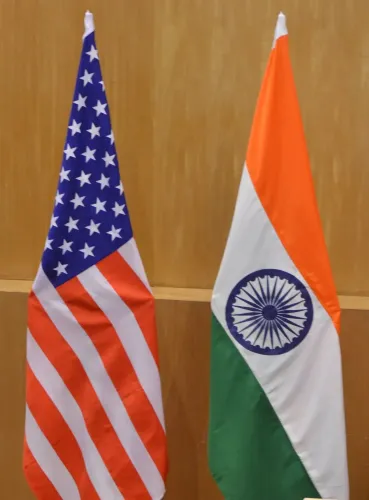
India urged the USTR to deepen engagement through the India-US Trade Policy Forum rather than impose blanket duties that would raise costs for American manufacturers.
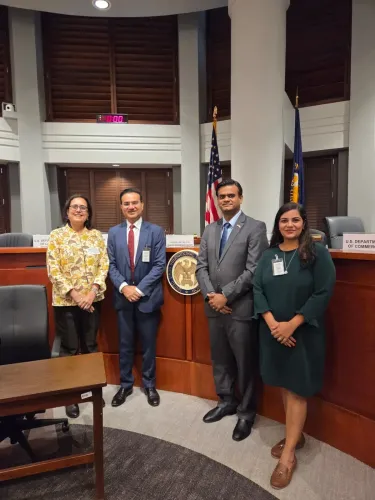
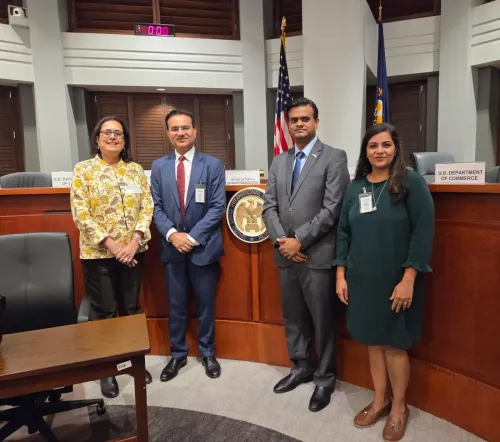
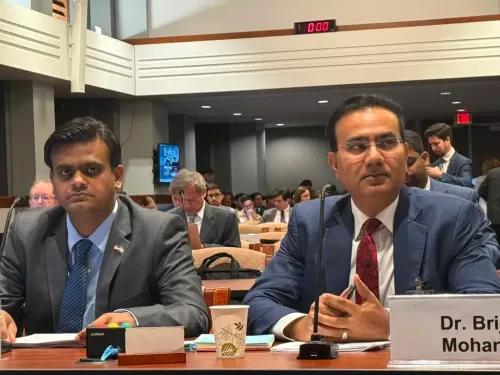
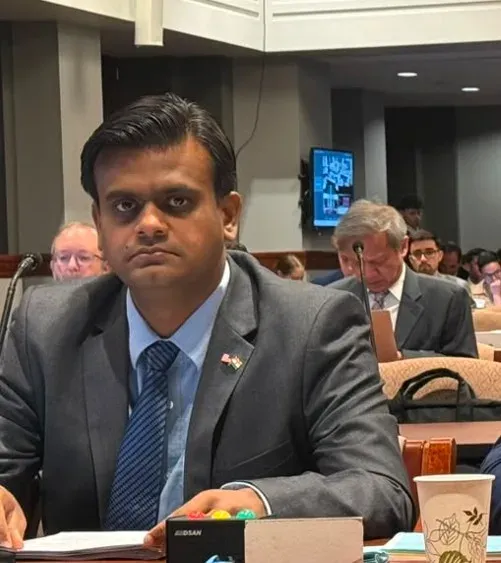
India on Wednesday, 8 July urged the United States Trade Representative (USTR) to pursue cooperation-based mechanisms rather than punitive tariffs to address forced labour concerns, arguing before a USTR hearing in Washington that blanket duties on Indian exports would penalise compliant industries without advancing the stated policy goal.
India's Core Argument at the Hearing
Shuchita Sonalika, representing the Confederation of Indian Industry (CII), told the hearing that compliance and cooperation-based mechanisms would be far more effective than the application of tariffs. She was responding to a USTR official who questioned how exempting Indian products from additional duties would incentivise countries under investigation to eliminate unfair labour practices.
Sonalika stated that CII has been working with the International Labour Organisation (ILO) and the United Nations Development Programme (UNDP) on responsible business practices, and expressed willingness to deepen cooperation with relevant US authorities to further strengthen India's compliance systems.
Why the Proposed Tariff Is Being Contested
The hearing is part of a Section 301 investigation by the USTR into alleged forced labour practices. The investigation has proposed an additional duty of 12.5 per cent on Indian exports. Sonalika argued this figure was 'neither supported in the evidence presented nor likely to advance the stated policy goal' and would instead 'penalise a compliant industry.'
She warned that Indian inputs are deeply integrated into US manufacturing supply chains, and that a 12.5 per cent tariff would raise costs for American manufacturers and disrupt established sourcing relationships — without addressing any demonstrated forced labour concerns.
India's Existing Compliance Framework
Sonalika outlined India's existing legal and institutional architecture prohibiting forced labour, citing constitutional protections, labour laws, criminal penalties, and ratification of the ILO's core conventions. She pointed to sector-specific compliance measures including human rights due diligence by aluminium producers, continuous audits of textile exporters by US buyers and international certification bodies, and strict labour compliance in the foundry, forging, and agricultural machinery sectors.
She also highlighted the Business Responsibility and Sustainability Reporting (BRSR) framework introduced by the Securities and Exchange Board of India (SEBI), which mandates disclosures by India's top 1,000 listed companies. A BRSR Lite framework has additionally been introduced for small and medium enterprises.
The Path Forward India Is Proposing
CII urged the USTR to refrain from imposing tariffs and non-tariff measures on Indian industry and instead strengthen engagement through existing bilateral mechanisms, including the India-US Trade Policy Forum. Sonalika reiterated that India fully supports eliminating forced labour from global supply chains, stating that 'forced labour has no place in international trade.'
As the USTR deliberates, the outcome of the Section 301 investigation will have significant implications for Indian exporters across sectors ranging from textiles and aluminium to engineering goods — and for the broader trajectory of India-US trade relations.
Point of View
The downstream impact on US manufacturers dependent on Indian inputs could, paradoxically, give India leverage it rarely holds in bilateral trade disputes.
NationPress
7 Oct 2026
Frequently Asked Questions
What is the USTR Section 301 investigation into India about?
The USTR launched a Section 301 investigation examining alleged forced labour practices in Indian export supply chains, which has proposed an additional duty of 12.5 per cent on Indian goods. India appeared at a USTR hearing on 8 July to contest both the evidence base and the proposed remedy.
What did the Confederation of Indian Industry argue at the USTR hearing?
CII representative Shuchita Sonalika argued that compliance and cooperation-based mechanisms would be far more effective than tariffs in addressing forced labour concerns. She said the proposed 12.5 per cent tariff was not supported by evidence and would penalise compliant Indian industries while raising costs for American manufacturers.
What compliance frameworks did India cite in its defence?
India cited constitutional prohibitions on forced labour, ratified ILO core conventions, criminal penalties under labour law, sector-specific audit regimes, and the SEBI-mandated BRSR framework requiring sustainability disclosures from India's top 1,000 listed companies. A BRSR Lite version also covers small and medium enterprises.
What bilateral mechanism is India proposing as an alternative to tariffs?
India urged the USTR to strengthen engagement through the India-US Trade Policy Forum, and offered deeper cooperation with US authorities through CII's existing partnerships with the ILO and UNDP on responsible business practices.
How would the proposed 12.5 per cent tariff affect US manufacturers?
According to CII, Indian inputs are deeply integrated into US manufacturing supply chains. A 12.5 per cent additional duty would increase production costs for American manufacturers and disrupt established sourcing relationships, without, India argues, addressing any demonstrated forced labour concern.