US, Lithuania sign critical minerals pact with 6-month financing target
Synopsis
Washington and Vilnius have formalised a critical minerals framework, with Secretary Rubio setting a six-month clock on financing mobilisation. The deal places Lithuania — a photonics leader soon to hold the EU Council presidency — inside America's expanding web of minerals alliances, directly countering Chinese dominance in global mineral processing.
Key Takeaways
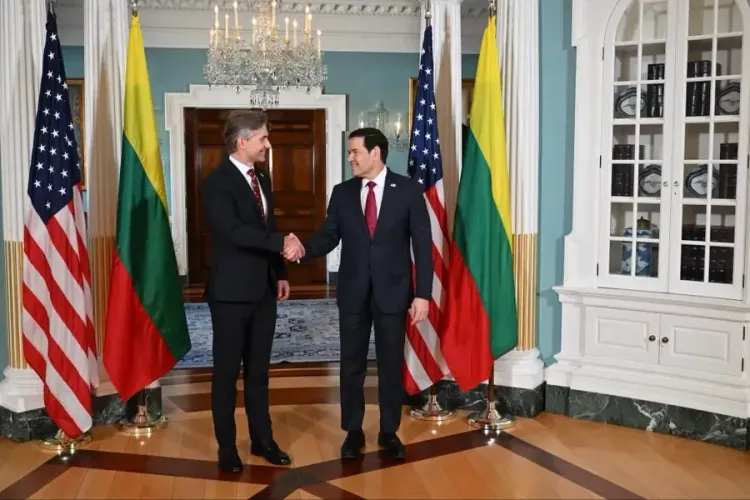
Secretary of State Marco Rubio and Lithuanian Foreign Minister Kestutis Budrys signed a critical minerals memorandum of understanding on 18 September 2026 in Washington .
Both governments committed to jointly identifying priority projects and mobilising public and private financing within six months .
Rubio described critical minerals supply as 'essential to the economy' and 'essential to our defenses.' Lithuania was cited as a global leader in photonics , with investment screening already protecting that sector.
Rubio welcomed Lithuania's upcoming EU Council presidency , noting the country's emphasis on economic security.
No specific companies, investment figures, or facility completion deadlines were announced.
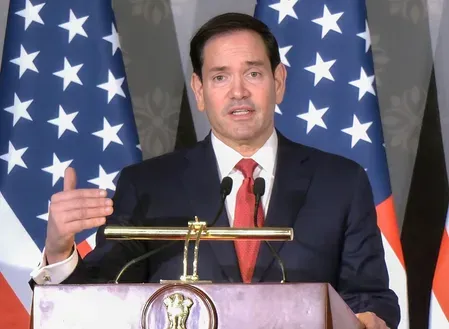
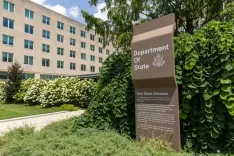
The United States and Lithuania signed a critical minerals framework agreement on 18 September 2026, with Secretary of State Marco Rubio committing to jointly identify priority projects and mobilise government and private sector financing within six months. The memorandum of understanding was signed at the State Department's Colin L. Powell Treaty Room in Washington, marking a tangible step in deepening economic security ties between the two allies.
What the Agreement Covers
The framework centres on strengthening critical minerals supply chains and expanding economic security cooperation. Both governments will jointly identify priority projects and channel public and private resources into those initiatives within the six-month window that Rubio outlined. Importantly, that timetable applies to project identification and financing mobilisation — not the completion of physical facilities.
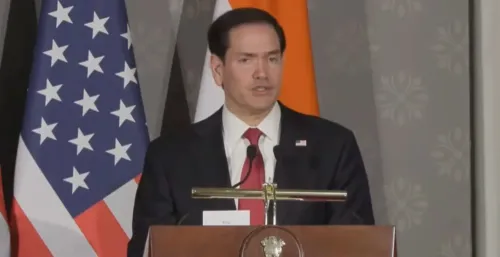
'I'm excited to sign this framework, which highlights the strong cooperation and partnership between the United States and Lithuania,' Rubio said at the signing ceremony. He explicitly linked reliable mineral supplies and processing capacity to both economic activity and defence readiness, calling them 'essential to the economy' and 'essential to our defenses as well.'
Lithuania's Strategic Position
Rubio described Lithuania as a global leader in photonics and noted that investment screening mechanisms already protect that sector. His remarks placed the minerals pact within a broader conversation on technology, investment security, and national defence — areas where Lithuania has steadily elevated its profile within the NATO alliance.
Rubio also welcomed Lithuania's approaching presidency of the Council of the European Union, noting that the country had made economic security a headline foreign policy priority — a point that aligns with wider EU efforts to reduce dependence on single-source mineral suppliers.
Lithuania's Perspective
Lithuanian Foreign Minister Kestutis Budrys said economic security ranked immediately after hard security among his government's foreign policy priorities. He described the partnership with Washington as central to Lithuania's ambition to build stronger and more resilient supply chains. 'And we are very practical in this approach,' Budrys said, adding that businesses were already looking forward to the initiative and expressing hope it would yield major projects delivering security and prosperity for both nations. He did not name specific companies or detail proposed investments.
Broader US Diplomatic Activity
Separately, Rubio also met Costa Rican Foreign Minister Manuel Tovar on Wednesday, with the State Department issuing a readout on Thursday. Spokesman Tommy Pigott said Rubio thanked Tovar for Costa Rica's continued efforts to deepen economic ties with the United States, including engagement on trade matters. The readout identified Costa Rica as a founding member of the Shield of the Americas and the Americas Counter Cartel Coalition, and as a member of Pax Silica. No new trade agreement, investment package, or security commitment was announced from that meeting.
Why This Matters
The US-Lithuania minerals framework fits a broader pattern of Washington locking in bilateral critical minerals agreements with allied nations — moves aimed at reducing strategic dependence on China, which dominates global processing of many minerals essential to semiconductors, defence systems, and clean energy technology. For Lithuania, the pact offers economic opportunity and signals continued deep integration with US-led security architecture, even as the country prepares to take the EU Council presidency. The coming six months will reveal whether the financing commitments translate into concrete projects.
Point of View
Suggesting real urgency, but the absence of named companies, dollar figures, or facility timelines means the agreement remains a political signal for now. The harder question is whether small-to-mid-sized allied economies can actually attract the private capital needed to make these frameworks operational, or whether they become one more MOU in a crowded field of intent.
NationPress
18 Sept 2026
Frequently Asked Questions
What is the US-Lithuania critical minerals framework agreement?
It is a memorandum of understanding signed on 18 September 2026 at the State Department in Washington, committing both countries to jointly identify priority critical minerals projects and mobilise government and private sector financing within six months. The deal is aimed at strengthening supply chains and economic security cooperation between the two allies.
Who signed the US-Lithuania critical minerals pact?
US Secretary of State Marco Rubio and Lithuanian Foreign Minister Kestutis Budrys signed the agreement at the State Department's Colin L. Powell Treaty Room in Washington on 18 September 2026.
What is the six-month deadline Rubio mentioned?
Rubio set a six-month window specifically for identifying priority projects and mobilising financing from both governments and the private sector. He did not announce a deadline for completing any physical facilities or infrastructure.
Why does Lithuania matter in a critical minerals context?
Beyond its strategic position as a NATO ally soon to hold the EU Council presidency, Lithuania is cited as a global leader in photonics — a technology sector closely linked to advanced manufacturing and defence applications. The pact fits a broader US effort to build allied supply chains that reduce dependence on China's dominant role in mineral processing.
What else did Secretary Rubio discuss during the same period?
Rubio also met Costa Rican Foreign Minister Manuel Tovar, with the State Department issuing a readout thanking Costa Rica for deepening economic ties and highlighting its role in regional security initiatives including the Shield of the Americas and the Americas Counter Cartel Coalition. No new agreements were announced from that meeting.