US Identifies Key Role of India in Countering China's 21st Century Challenge
Synopsis
The US recognizes its engagement with China's rise as a pivotal narrative of the 21st century, aiming for a strategic economic partnership with India within a broader Indo-Pacific strategy. This approach outlines both economic and security measures to navigate the complexities of the region.
Key Takeaways
US identifies response to China as pivotal.
Deepening economic ties with India.
Focus on military balance in the Indo-Pacific.
Stricter trade enforcement measures.
Importance of regional alliances highlighted.
Washington, Feb 24 (NationPress) The United States has recognized its strategy towards China's ascent as "the pivotal narrative of the 21st century." This acknowledgment comes with a commitment to a more profound, albeit conditional, economic alliance with India as a vital element of its broader Indo-Pacific framework.
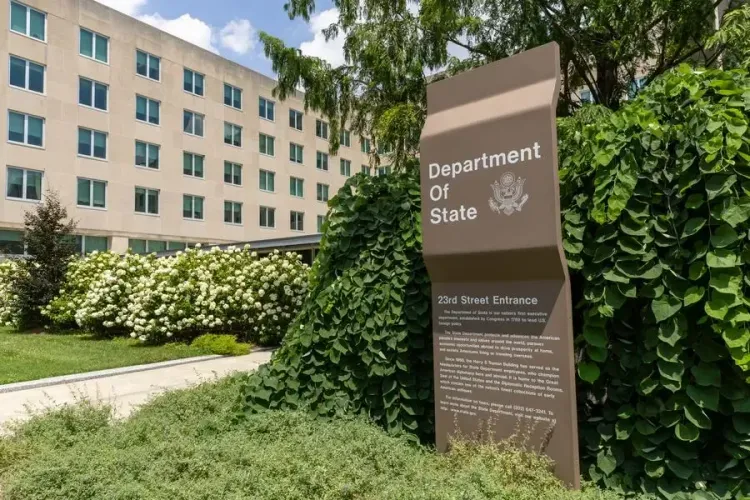
In the Agency Strategic Plan for Fiscal Years 2026–2030, the State Department asserts: "The manner in which the United States engages with the rise of China will shape the defining narrative of this century."
This challenge is framed not only in terms of global economic competition but also in relation to the US' own national interests within the Indo-Pacific region.
The document emphasizes the significance of this area, stating: "Asia accounts for nearly half of the world’s gross domestic product according to various estimates, with essential sea routes and supply chains traversing the region."
Moreover, it affirms: "It is clear that maintaining regional peace and stability is beneficial for the United States, regardless of competition with nations like China."
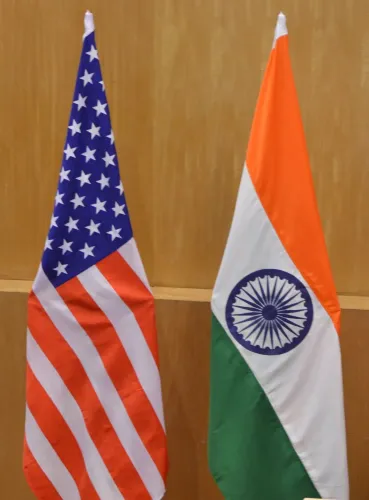
In this context, India is specifically mentioned. The plan notes: "We will pursue partnerships with emerging regional economies such as India, but on conditions that further US security and economic interests while avoiding past errors."
The strategy delineates a dual-track approach. Economically, Washington aims to "promote an economic environment in the Indo-Pacific that is free from external pressures and accessible to the American populace."
It commits to supporting "the reindustrialization of the US through extensive commercial advocacy, the establishment of secure and resilient supply chains, and the development of American and trusted alternatives to dependencies created by China."
Additionally, it hints at stricter trade enforcement, stating that the United States will "identify and counter efforts to evade US tariffs through third-country transshipments."
On the security front, the document emphasizes the need for a "favorable military balance in the Indo-Pacific to ensure that trade routes remain open and to deter aggressive actions." It acknowledges that China has engaged in "an unprecedented military expansion, which the United States must publicly address and be prepared to counter."
Simultaneously, the plan expresses that Washington "does not seek war or regime change" and will "consistently endeavor to maintain open communication lines with China to mitigate misunderstandings and risks."
The strategy underscores the importance of alliances. The United States intends to "forge closer economic and military relationships with Indo-Pacific allies and partners that enhance US strength rather than detract from it."
It also refers to frameworks like the Quadrilateral Security Dialogue to "promote American and allied regional priorities and counter attempts by China to create a hostile and exclusionary economic landscape."
The plan connects economic statecraft with national security, stating that the United States will "safeguard our industries from unfair trade practices and illegitimate competition" and "reassert America as the dominant economic and technological force of the 21st century."
The Indo-Pacific has emerged as the primary arena of strategic rivalry between Washington and Beijing over the last decade, with trade, technology, supply chains, and military positioning at the forefront of tensions.
Point of View
The US aims to bolster its presence and interests in the Indo-Pacific region, reflecting a proactive approach to emerging global challenges.
NationPress
10 Oct 2026
Frequently Asked Questions
What does the US plan entail regarding India?
The US plan aims to establish a deeper economic partnership with India, focusing on advancing security and economic interests while avoiding past mistakes.
How does the US view China's rise?
The US views its response to China's rise as a defining story of the 21st century, emphasizing the necessity for strategic engagement.
What are the key components of the US Indo-Pacific strategy?
The strategy includes promoting free economic systems, ensuring military balance, and fostering strong alliances with regional partners.
What role does trade enforcement play in the strategy?
The strategy includes stricter trade enforcement to counter attempts to evade US tariffs and to establish secure supply chains.
What is the significance of the Indo-Pacific region?
The Indo-Pacific is vital due to its economic output and strategic importance in global trade and military dynamics.