US Pet Industry Surges to $157 Billion Amidst Challenges

Synopsis
The US pet market has skyrocketed to an unprecedented $157 billion, yet small business owners are grappling with rising healthcare costs and regulatory obstacles that threaten their growth. This article explores the complexities of the booming pet industry and the challenges faced by local enterprises.
Key Takeaways
The US pet industry has achieved a record spending of $157 billion .
Small business owners face increased challenges due to rising healthcare costs.
Approximately 57% of US households own pets, increasing to 71% in rural areas.
Veterinary practices generate significant revenue and are crucial for local economies.
Rising prices are impacting pet ownership affordability.
Washington, March 12 (NationPress) The US pet sector has achieved an unprecedented milestone, with spending soaring to $157 billion. However, small business proprietors have expressed to senators that escalating healthcare expenses, regulatory challenges, labor issues, and financial barriers are hindering many enterprises from maintaining pace with this swift growth.
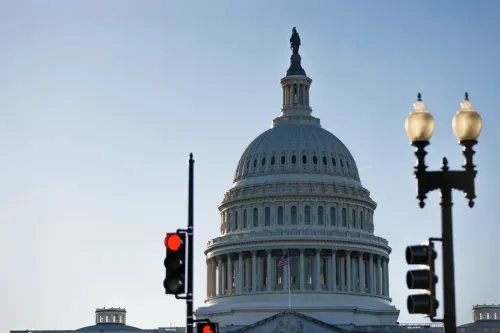
During a Senate Small Business and Entrepreneurship Committee meeting on Wednesday (local time), legislators and business representatives illustrated the dynamics of a flourishing consumer market that has gained significant importance for Main Street businesses nationwide.
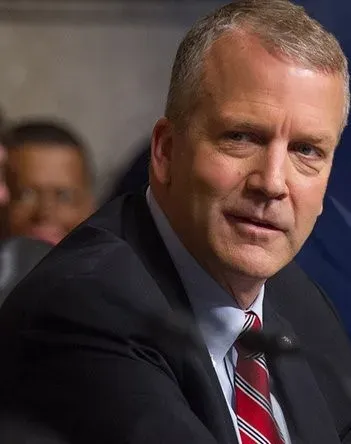
Committee chair Senator Joni Ernst, a Republican, noted that pets are playing an increasingly vital role in both American lives and the economy that supports them.
“Pets hold a unique significance in our lives, within our families, and even here in the Senate,” she stated, highlighting that approximately 57 percent of American homes have at least one pet. In rural regions, this percentage rises to 71 percent, with nearly half of those households having more than one animal.
As pet ownership has surged, she noted that businesses focused on animal care have expanded parallelly. Local veterinarians, trainers, pet supply stores, and grooming services now create a vast network of small businesses supporting what has emerged as one of the nation’s fastest-growing consumer sectors.
Nevertheless, several witnesses informed senators that operating these businesses has become increasingly complex and costly.
Josh Rogers, a franchisee of Camp Bow Wow, which provides dog daycare and boarding services, shared that his company now runs seven locations across Missouri, Colorado, and Florida, employing over 140 individuals.
Rogers explained that the franchise model enabled him to expand quickly, asserting that it “allowed us to venture into business for ourselves, but not alone.” He mentioned that the first location opened in 2020 and reached break-even within six weeks.
Yet, he conveyed to lawmakers that uncertainties in policy and labor costs remain significant apprehensions. He specifically pointed to the federal “joint employer” standard, which regulates the legal relationship between franchise owners and parent companies.
Another testimony came from Dr. Gary Brown, a veterinarian from West Virginia, who indicated that veterinary practices are essential to local economies, especially in rural areas.
Brown informed the committee that the United States has about 34,000 veterinary practices. A standard companion animal practice generates over $1.5 million in annual revenue, with each full-time veterinarian producing median gross revenue of approximately $600,000.
“Veterinary clinics serve as community-centric businesses that offer stable employment,” Brown stated, adding that many practices also support the wider commercial network in small towns.
Robert Van Sickle, co-founder of the Boston-based pet treat firm Polka Dog, discussed the challenges of managing a growing small business in a fiercely competitive industry.
Polka Dog began in 2002 as a single neighborhood store in Boston’s South End. Today, the company boasts 11 retail outlets, two warehouses, and a 14,000-square-foot manufacturing facility that distributes products globally.
By most standards, Van Sickle noted that the company has thrived. However, the daily challenges of operating the business remain ever-present.
“Despite our longevity and growth, and how our company might appear from the outside, we still function very much as a small business within these walls,” he remarked.
Van Sickle pointed out that rising costs have compelled tough decisions regarding wages, investments, and growth. He anticipates a significant increase in employee health insurance premiums this year, following recent hikes.
Lawmakers also discussed the regulatory challenges confronting businesses selling products across the nation. Van Sickle mentioned that entities like his must register products with agriculture departments in all 50 states, each with varying forms and labeling requirements.
He highlighted that the process is time-consuming and often perplexing.
“It’s more time-consuming than financially burdensome,” Van Sickle explained, but he added that a unified national system would greatly alleviate compliance for small manufacturers.
Democrats on the committee utilized the hearing to spotlight broader economic pressures impacting small businesses and consumers.
Senator Edward Markey of Massachusetts remarked that surging prices for fuel, electricity, food, and healthcare are placing a strain on both pet owners and the businesses catering to them.
“This pet inflation could mean that a visit to the vet, a trip to the pet store, or even pet ownership itself may be unaffordable for many Americans,” Markey said.
The hearing emphasized how deeply pet ownership has become woven into American culture. According to industry statistics shared during the hearing, millions of households now view pets as family members, leading to increased spending on food, veterinary care, grooming, and boarding.
The sector's growth accelerated during the COVID-19 pandemic, as many Americans adopted pets while working from home. This trend has persisted, establishing animal care as a significant segment of the US consumer economy.
Point of View
It is essential to recognize that while the US pet market has reached remarkable financial heights, the underlying challenges faced by small businesses in this sector must not be overlooked. The intersection of soaring costs and regulatory barriers highlights the need for supportive policies to ensure sustainable growth.
NationPress
16 Oct 2026
Frequently Asked Questions
What is the current spending in the US pet industry?
The US pet industry has reached a record spending level of $157 billion.
What challenges are small pet businesses facing?
Small pet businesses are contending with rising healthcare costs, regulatory hurdles, labor challenges, and financing constraints.
How has pet ownership changed in recent years?
Pet ownership has increased significantly, with approximately 57% of American households owning at least one pet, rising to 71% in rural areas.
Why are veterinary practices important?
Veterinary practices are vital for local economies, especially in rural areas, providing stable employment and generating significant annual revenue.
What is 'pet inflation'?
'Pet inflation' refers to the rising costs associated with pet ownership, which may make veterinary visits and pet supplies unaffordable for many Americans.