JPMorgan, Bank of America aided China military-linked CATL raise billions: US probe
Synopsis
A US congressional investigation has accused JPMorgan Chase and Bank of America of underwriting CATL's Hong Kong IPO months after the Pentagon flagged the Chinese battery giant as a 'Chinese military company' — raising sharp questions about whether Wall Street's profit motive is outpacing America's national security guardrails.
Key Takeaways
JPMorgan Chase and Bank of America underwrote CATL's Hong Kong IPO in May 2025 , months after the Pentagon designated it a 'Chinese military company' in January 2025 .
The House Select Committee on the Chinese Communist Party accused both banks of accepting CATL's own assurances over independent due diligence.
Investigators alleged CATL held ties to Huawei , China State Shipbuilding Corporation , NORINCO , China Mobile , and defence-linked Wuhu Shipyard .
Morgan Stanley sponsored the Hong Kong IPO of Zijin Gold International despite its parent's UFLPA Entity List designation, reportedly earning fees of $15.5 million–$23.1 million .
The committee recommended legislation barring US banks from underwriting capital raises for blacklisted foreign-adversary-linked entities.
The report called for CATL to be added to the Treasury Department's Non-SDN Chinese Military-Industrial Complex list.
JPMorgan Chase and Bank of America underwrote the Hong Kong Stock Exchange initial public offering of Contemporary Amperex Technology Co. Ltd. (CATL) in May 2025, months after the US Department of Defense designated the Chinese battery giant a 'Chinese military company' — a move a new congressional investigation says put Wall Street profits ahead of national security.
What the Congressional Report Found
The House Select Committee on the Chinese Communist Party released a report alleging that both banks proceeded with the CATL IPO despite warnings from the Department of Defense and bipartisan concerns over the company's alleged ties to China's military and forced labour networks in Xinjiang. CATL had been placed on the Pentagon's Section 1260H list in January 2025 over its alleged participation in China's military-civil fusion strategy.
According to the report, both banks relied heavily on CATL's own assurances that its Pentagon designation was 'erroneous' and accepted the firm's denials of any military links. Congressional investigators alleged CATL failed to fully answer due diligence questions regarding ties to the People's Liberation Army, dual-use technologies, and military-linked entities.
Due Diligence Concerns
The report raised pointed questions about the quality of each bank's independent verification. Bank of America's third-party due diligence reportedly relied on unnamed sources, including 'a China-based new energy academic' and 'a Chinese EV data provider.' JPMorgan, for its part, concluded that CATL had no transactions involving 'military items or dual-use goods or technology' — a finding investigators appear to dispute.
Investigators further alleged that CATL maintained corporate and commercial ties with several entities already under US restrictions, including Huawei, China State Shipbuilding Corporation, NORINCO, and China Mobile. CATL also reportedly held a stake in Wuhu Shipyard, described in the report as a defence-linked shipbuilder serving China's naval sector.
Forced Labour Allegations
The report accused both banks of overlooking evidence linking CATL's supply chain to forced labour concerns in Xinjiang. Investigators said CATL refused to provide full supply chain audits, yet the banks still accepted the company's assurances that there were 'no connections to forced labour.'
In a separate finding, the committee examined Morgan Stanley's role in sponsoring the Hong Kong IPO of Zijin Gold International, a subsidiary of Zijin Mining Group, whose parent company and subsidiaries had been added to the Uyghur Forced Labor Prevention Act (UFLPA) Entity List. The report said Morgan Stanley internally acknowledged the UFLPA designation but senior executives approved the transaction because 'it was legal.' The bank reportedly estimated fees from the deal at between $15.5 million and $23.1 million.
What the Committee Chair Said
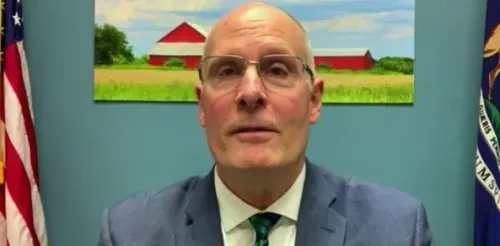
Select Committee Chairman John Moolenaar said in a statement: 'My committee's investigation calls for serious policy changes to ensure what JPMorgan and Bank of America did never happens again. American banks must not help Chinese military companies raise money, because in doing so, they provide not only access to funding, but also legitimacy and credibility to companies that are helping our adversary build up its military.'
Recommendations and What Comes Next
The committee recommended legislation prohibiting US financial institutions from underwriting or sponsoring capital-raising for blacklisted entities linked to foreign adversaries. It also called for CATL and its subsidiaries to be added to the Treasury Department's Non-SDN Chinese Military-Industrial Complex list. Whether Congress acts on these recommendations — and how the banks respond — will determine the lasting impact of the probe on Wall Street's access to Chinese capital markets.
Frequently Asked Questions
What did JPMorgan and Bank of America allegedly do?
According to a congressional investigation, both banks underwrote CATL's Hong Kong Stock Exchange IPO in May 2025, months after the Pentagon designated CATL a 'Chinese military company' in January 2025. The report alleges the banks accepted CATL's own assurances rather than conducting fully independent due diligence.
What is CATL and why was it designated a Chinese military company?
Contemporary Amperex Technology Co. Ltd. (CATL) is the world's largest battery manufacturer, headquartered in China. The Pentagon placed it on the Section 1260H list in January 2025, citing alleged participation in China's military-civil fusion strategy.
What role did Morgan Stanley play in the congressional report?
The report examined Morgan Stanley's sponsorship of the Hong Kong IPO of Zijin Gold International, a subsidiary of Zijin Mining Group, whose parent had been added to the Uyghur Forced Labor Prevention Act Entity List. The bank reportedly acknowledged the designation internally but senior executives approved the deal because 'it was legal,' with estimated fees of $15.5 million to $23.1 million.
What policy changes has the House Select Committee recommended?
The committee has called for legislation prohibiting US financial institutions from underwriting or sponsoring capital-raising for entities blacklisted due to links with foreign adversaries. It has also recommended that CATL and its subsidiaries be added to the Treasury Department's Non-SDN Chinese Military-Industrial Complex list.
What forced labour concerns were raised about CATL?
Congressional investigators alleged that CATL's supply chain had links to forced labour concerns in Xinjiang. CATL reportedly refused to provide full supply chain audits, but both banks still accepted the company's assurances that there were no connections to forced labour, according to the report.