US senators clash over Trump's Iran war, Democrats demand troop withdrawal

Synopsis
With 18 American troops dead and over 500 injured — and the Pentagon accused of hiding nearly 100 of those casualties — the US Senate is heading toward a showdown vote over Trump's Iran war. Democrats say it is illegal; Republicans say Tehran left no choice. The real fight may be over who controls the purse strings next.
Key Takeaways
Senate Minority Leader Chuck Schumer announced a Senate vote this week to end US military involvement in Iran .
Schumer alleged the Pentagon withheld casualty data on nearly 100 of more than 500 injured American troops.
Senator Tim Kaine confirmed remains of 3 US troops were returning to Dover, Delaware on Wednesday, bringing total US fatalities to 18 .
Senate Majority Leader John Thune defended Trump's authority, citing Iran's ceasefire violations and blockade of the Strait of Hormuz .
A Trump administration supplemental funding request covering munitions and war costs awaits congressional approval, with most Republicans reportedly inclined to back it.
Senior US senators engaged in a sharp public confrontation on 22 July over President Donald Trump's ongoing military conflict with Iran, with Democrats branding the war illegal and pressing for an immediate withdrawal of American forces, while Republicans rallied behind the president's constitutional authority and framed the operation as essential to reopening the Strait of Hormuz.
Democratic Offensive: Casualties, Concealment, and a New Vote
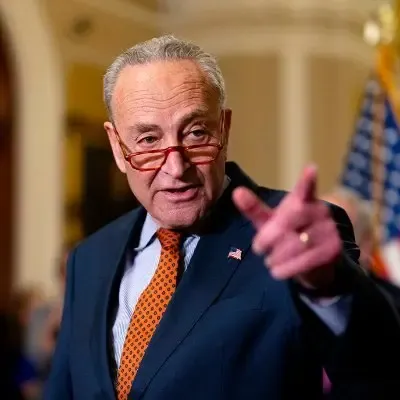
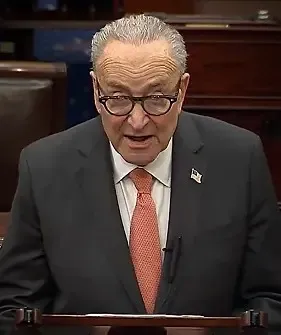
Senate Minority Leader Chuck Schumer announced that Democrats would force a fresh Senate vote this week to end US involvement in the conflict. Schumer accused the Pentagon of deliberately withholding casualty data from the public, alleging that information on nearly 100 of the more than 500 American troops injured in recent weeks had been suppressed.
'Trump cannot hide the wounded and call it peace. Congress must end this war,' Schumer said following a closed Democratic policy luncheon. 'The Pentagon knew our troops were wounded. The only people kept in the dark were the American people. That's not operational security; it's political protection for Donald Trump.'
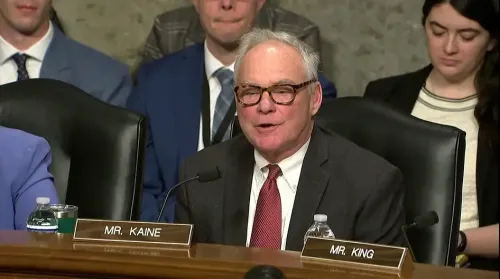
Senator Tim Kaine added a solemn dimension to the debate, noting that the remains of three US troops killed in the conflict were due to return to Dover, Delaware, on Wednesday. Their deaths would bring the total American military fatalities in the war to 18, according to Kaine. He described the conflict as a 'war of choice' and called on colleagues to use the congressional appropriations process to cut off funding.
'We shouldn't be shoving massive increases in dollars over to the Pentagon where they're in the middle of a war that is illegal,' Kaine said.
Republican Defence: Presidential Authority and Iranian Provocation
Senate Majority Leader John Thune, speaking after a separate Republican policy luncheon, offered a contrasting assessment. Thune argued that Iran had violated a prior ceasefire and was actively blocking shipping lanes in the Strait of Hormuz, providing justification for Trump's response.
'I think the President has within his authority, obviously, based upon not only the law, but also, I think, based upon the way the Iranians have reacted to the cease fire and an unwillingness to sit down and actually make a deal,' Thune said. He characterised the military action as a pressure tactic designed to compel Tehran back to the negotiating table.
Funding Fight Looms in Congress
The debate over the war's legality is converging with a parallel battle over war funding. The Trump administration has submitted a supplemental funding request to Congress that covers munitions replenishment and other military costs, not limited to the Iran conflict. Thune indicated that most Republican senators were likely to support the request, though some had raised concerns about its overall size and whether the additional spending would be offset by cuts elsewhere.
When pressed on whether the administration owed Congress more information before such funding was approved, Thune pointed to Congress's existing power of the purse as the appropriate check — stopping short of endorsing any new disclosure requirements.
Context and Stakes
The dispute reflects a deepening constitutional standoff over war powers that has recurred across multiple administrations. Notably, Congress has already passed a measure declaring the conflict illegal, according to Kaine — though such resolutions carry limited enforcement weight without presidential assent or a veto override. This is not the first time a US president has faced congressional resistance over military engagement without a formal declaration of war; similar battles played out over conflicts in Libya, Yemen, and Syria in recent decades.
With a Senate vote expected imminently and casualty figures becoming a focal point, the coming days will test whether any Republicans break ranks — and whether the administration can sustain its information embargo on troop losses.
Point of View
The Pentagon withheld information on nearly one in five injured troops, which is not a grey area in war-powers accountability. Republicans are holding the line on presidential authority, but the funding vote is where the real leverage lies: a handful of deficit-conscious GOP senators could complicate the supplemental request even if they stop short of opposing the war itself. The deeper issue is structural — Congress has repeatedly declared conflicts illegal or unauthorised without the teeth to enforce it, and this episode looks set to follow the same pattern unless the appropriations fight produces a genuine break in Republican unity.
NationPress
22 Jul 2026
Frequently Asked Questions
How many US troops have been killed or injured in Trump's Iran war?
According to Senator Tim Kaine, 18 American service members have been killed in the conflict, with the remains of three more due to return to Dover, Delaware, on Wednesday. Senate Minority Leader Chuck Schumer separately alleged that more than 500 troops have been injured, with casualty data on nearly 100 of them allegedly withheld by the Pentagon.
Why are Democrats calling the Iran war illegal?
Democrats, including Senator Tim Kaine, say Congress has already passed a measure declaring the conflict illegal. They argue the president did not obtain a formal declaration of war and that the operation lacks proper congressional authorisation under US law.
What is Senate Minority Leader Schumer's next move?
Schumer announced that Democrats would force a Senate vote this week to end US military involvement in Iran. He is also pressing for the Pentagon to release full casualty information that he says has been withheld from the public.
How are Republicans responding to the push to end the war?
Senate Majority Leader John Thune defended Trump's actions, arguing Iran violated a ceasefire and blocked the Strait of Hormuz, giving the president legal and strategic grounds to act. Most Republican senators are reportedly inclined to support the administration's supplemental war-funding request, though some have raised concerns about its size.
What is the supplemental funding request and what does it cover?
The Trump administration has submitted a supplemental funding request to Congress that includes money to replace military munitions and covers costs beyond the Iran conflict alone. Senate Majority Leader Thune indicated most Republicans would likely support it, but some members have questioned the overall spending level and whether it would be offset by cuts elsewhere.