US urges China to halt Tibetan monastery demolitions, end religious crackdown
Synopsis
Chinese authorities demolished around 200 monks' residences at a major monastery in eastern Tibet on 25-26 October, drawing a sharp rebuke from the US State Department and a warning from USCIRF that Beijing's 'Ethnic Unity Law' is systematically severing Tibetans from their Buddhist heritage — the latest flashpoint in a deepening religious freedom crisis in the region.
Key Takeaways
Chinese authorities demolished approximately 200 monks' residences at Dza Sershul Thekchen Dargyeling Monastery in Sershul County, Kardze (Ganzi) Tibetan Autonomous Prefecture on 25 and 26 October 2026 .
The US State Department called on Beijing to end interference in Tibetan religious life, including the right to choose religious leaders such as the Dalai Lama and Panchen Lama .
Tenzin Lekshay of the Central Tibetan Administration linked the demolitions to China 's Ethnic Unity Law , enacted in July 2026 , alleging forced assimilation.
USCIRF chair Asif Mahmood warned the demolition is part of a wider strategy to sever Tibetans from their Buddhist heritage .
Young monks have reportedly been expelled from monasteries and sent to Chinese boarding schools , according to the CTA .
The United States has sharply criticised China for demolishing monks' residential quarters at a major monastery in eastern Tibet, calling on Beijing to cease its interference in Tibetan Buddhist religious life. The demolitions, which began on 25 and 26 October 2026, targeted around 200 monks' residences at Dza Sershul Thekchen Dargyeling Monastery in Sershul County, Kardze (Ganzi) Tibetan Autonomous Prefecture, according to sources who spoke to Radio Free Asia on condition of anonymity, citing security concerns.
What Happened at the Monastery
Chinese authorities reportedly initiated the demolition of approximately 200 monks' residences at the monastery over two consecutive days. A source with knowledge of the situation described the scale of the destruction in stark terms. 'Everything is over now. We are losing everything,' the source said, according to the report.
What the US State Department Said
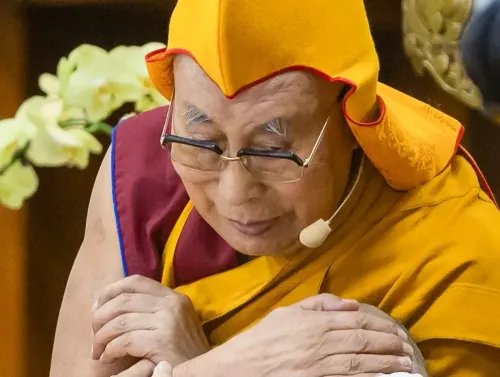
A US State Department spokesperson characterised the demolitions as part of a broader Chinese government effort to assert control over spiritual institutions, religious education, and monastic life across Tibet. 'We call on Beijing to end its interference in Tibetan religious life. Tibetan Buddhists should have the right to practice their faith freely, educate their clergy and choose their religious leaders, including the Dalai Lama and the Panchen Lama, without government interference,' the spokesperson said. The statement directly references China's record of interference in succession processes for Tibetan Buddhism's two most revered figures.
Tibetan Government-in-Exile Responds
Tenzin Lekshay, spokesperson for the Central Tibetan Administration (CTA) — the Tibetan government-in-exile based in Dharamsala, India — argued that the demolitions and the reduction in monastic populations were instruments of forced assimilation. 'This is a mask used by the Chinese government under the recently enacted Ethnic Unity Law to assimilate Tibetans and destroy Tibetan religion, culture, and language. This is not the first time. We have also seen young monks forcibly expelled from monasteries and sent to China's colonial boarding schools,' Lekshay said. He urged Beijing to recognise that 'the destruction of Tibetan religion and culture will have negative consequences for both China and the world.'
USCIRF Warns of Wider Threat to Tibetan Heritage
The US Commission on International Religious Freedom (USCIRF), an independent, bipartisan US government body, warned that restrictions in Tibet pose a systemic threat to the region's Buddhist heritage. Asif Mahmood, chair of the commission, told reporters that the demolition was one tactic within a broader strategy. 'Demolition of Tibetan monasteries is just one tactic in a wider effort by Chinese authorities to sever the people of Tibet from their Tibetan Buddhist heritage, including the forced assimilation of ethnic minorities through the draconian 'Ethnic Unity' law that came into effect in July,' Mahmood said. This comes amid longstanding international concern over China's governance of Tibet, with religious freedom advocates noting an intensification of restrictions since the Ethnic Unity Law took effect. The latest demolitions mark at least the third significant monastic action documented in the region in recent years, according to rights monitors.
What Happens Next
Beijing has not publicly responded to the US State Department's statement. International rights groups are expected to escalate calls for a UN Human Rights Council inquiry into the demolitions. The CTA has indicated it will continue documenting and publicising incidents to sustain international pressure on China.
Point of View
Accelerating pattern. The Ethnic Unity Law, which came into force in July 2026, has provided Beijing a legislative scaffold for actions that rights groups previously had to characterise as extrajudicial. What is missing from the international response is consequence: US statements and USCIRF warnings have been issued before, without altering Chinese behaviour. The question mainstream coverage sidesteps is whether rhetorical pressure without economic or diplomatic cost has any deterrent value at all — and whether the Tibetan Buddhist succession crisis, looming as the current Dalai Lama ages, will force a harder reckoning with Beijing.
NationPress
31 Oct 2026
Frequently Asked Questions
What happened at Dza Sershul Thekchen Dargyeling Monastery in Tibet?
Chinese authorities demolished approximately 200 monks' residences at Dza Sershul Thekchen Dargyeling Monastery in Sershul County, Kardze (Ganzi) Tibetan Autonomous Prefecture, on 25 and 26 October 2026. Sources cited security concerns for speaking anonymously about the demolitions.
What did the US State Department say about the Tibet monastery demolitions?
A US State Department spokesperson described the demolitions as part of China's broader effort to control spiritual institutions and monastic life in Tibet. The spokesperson called on Beijing to allow Tibetan Buddhists to practice freely, educate clergy, and choose their own religious leaders without government interference.
What is China's Ethnic Unity Law and how does it relate to Tibet?
China's Ethnic Unity Law came into effect in July 2026 and is aimed at promoting a unified national identity. Critics, including the Central Tibetan Administration and USCIRF, argue the law is being used to assimilate ethnic minorities such as Tibetans and suppress their distinct religious and cultural identity.
Who is the Central Tibetan Administration and what is its position?
The Central Tibetan Administration (CTA) is the Tibetan government-in-exile, based in Dharamsala, India. Its spokesperson Tenzin Lekshay condemned the demolitions as part of a systematic effort to destroy Tibetan religion, culture, and language, and linked the action to young monks being expelled to Chinese boarding schools.
What is the USCIRF and what has it said about Tibet?
The US Commission on International Religious Freedom (USCIRF) is an independent, bipartisan US government body that monitors religious freedom globally. Its chair Asif Mahmood said monastery demolitions are one tactic in a wider effort to sever Tibetans from their Buddhist heritage, warning that the Ethnic Unity Law poses a broader systemic threat.