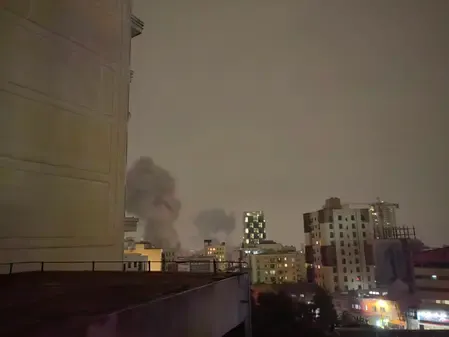
U.S. Military Strikes on Iran Lead to $5.6 Billion Costs in Just Two Days

Synopsis
The U.S. military's initial strikes on Iran have resulted in a staggering $5.6 billion expenditure in munitions alone. This financial burden raises questions about the sustainability of prolonged military engagement, despite claims of a potential swift resolution by President Trump.
Key Takeaways
U.S. military strikes on Iran cost $5.6 billion in the first two days.
Financial implications raise sustainability concerns.
Lawmakers worry about the depletion of advanced munitions .
Shifts in military resources may impact readiness in other regions.
Seven U.S. service members have died in the ongoing conflict.
Washington, March 10 (NationPress) The initial two days of U.S. military operations against Iran have incurred a staggering cost of approximately $5.6 billion solely in munitions, as reported by The Washington Post. This figure highlights the significant financial burden of the conflict, even as President Donald Trump implies a potential quick resolution.
This estimate, derived from data presented to Congress, indicates the value of sophisticated weaponry deployed during the early phase of the offensive, prompting discussions in Washington regarding the sustainability of such an intense military engagement.
According to U.S. officials referenced by The Washington Post, the Pentagon expended approximately $5.6 billion worth of munitions in the first two days of the campaign, which has raised alarms among legislators about the rapid depletion of advanced weapon stockpiles.
The reported amount only accounts for the initial combat days and does not factor in the overarching operational expenses tied to troop deployments, aircraft maintenance, or naval asset upkeep, as noted by the publication.
Officials conveyed to the newspaper that this financial estimate was shared with Congress as the administration moves to secure further funding to maintain military operations.
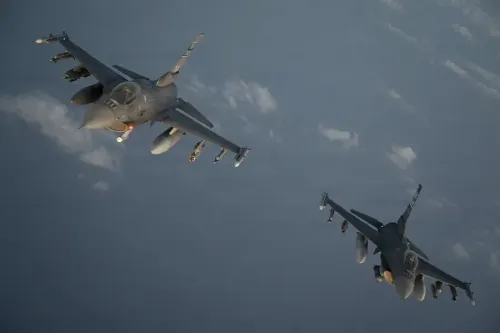
The financial impact coincides with the launch of thousands of strikes by U.S. forces throughout Iran since the operation's commencement.
The frequency of these strikes has already sparked concerns on Capitol Hill that U.S. military capabilities may exhaust their reserves of high-tech munitions, as reported by The Washington Post.
Officials have also cautioned that a prolonged conflict could exacerbate inventory challenges, already strained by years of supplying weapons to Ukraine and fulfilling military obligations in Asia.
Several U.S. defense strategists have started reallocating resources from other areas to support the Middle East initiative. The newspaper noted that components of a Terminal High Altitude Area Defense (THAAD) missile defense system have been relocated from South Korea to the region.
Additionally, the Pentagon has utilized stocks of advanced Patriot interceptors to bolster defenses against Iranian drone and missile threats.
Defense analysts indicate that these actions carry strategic implications. Mark Cancian, who monitors U.S. weapon inventories, warned that reallocating air-defense systems could compromise American military readiness in other regions.
“The more THAADs and Patriots you deploy, the greater the risk you take in the Indo-Pacific and in Ukraine,” he stated, according to The Washington Post.
The ongoing conflict has also led to fatalities, with seven American service members confirmed dead since hostilities began; this includes six who perished in an Iranian drone strike in Kuwait and another who succumbed to injuries from an attack in Saudi Arabia, as reported by U.S. officials.
Point of View
The unfolding situation in Iran highlights not only the immediate financial implications of military engagement but also the longer-term strategic considerations. The U.S. must weigh the costs against its military objectives and readiness to ensure national security while managing international commitments.
NationPress
3 Oct 2026
Frequently Asked Questions
What triggered the recent U.S. military strikes on Iran?
The U.S. military strikes were initiated as a response to escalating tensions and threats from Iran, marking a significant escalation in the conflict.
How much has the U.S. spent on munitions in the Iran conflict?
The U.S. has spent approximately $5.6 billion on munitions in the first two days of military operations against Iran.
What concerns have been raised regarding U.S. military readiness?
Lawmakers have expressed concerns that the rapid consumption of advanced munitions could deplete U.S. military stockpiles, impacting readiness for other engagements.
What are the implications of shifting military resources?
Shifting military resources, such as THAAD systems, could compromise U.S. readiness and defense capabilities in other critical regions.
How many U.S. service members have died in the conflict?
Seven American service members have died since the conflict began, including six from an Iranian drone strike in Kuwait.