US Supreme Court upholds birthright citizenship, relief for 300,000 Indians on H1B visas
Synopsis
The US Supreme Court has shut down one of Trump's most aggressive immigration moves — and for nearly 300,000 Indians stuck in America's Green Card backlog, it couldn't have come sooner. Their children, born on US soil while parents wait decades for permanency, are now constitutionally guaranteed citizens. The ruling doesn't just settle a legal question; it decides the futures of entire families.
Key Takeaways
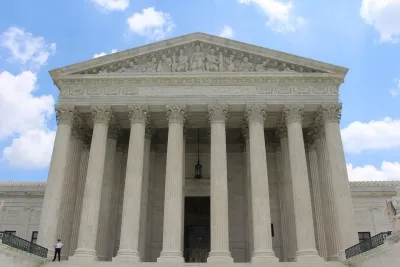
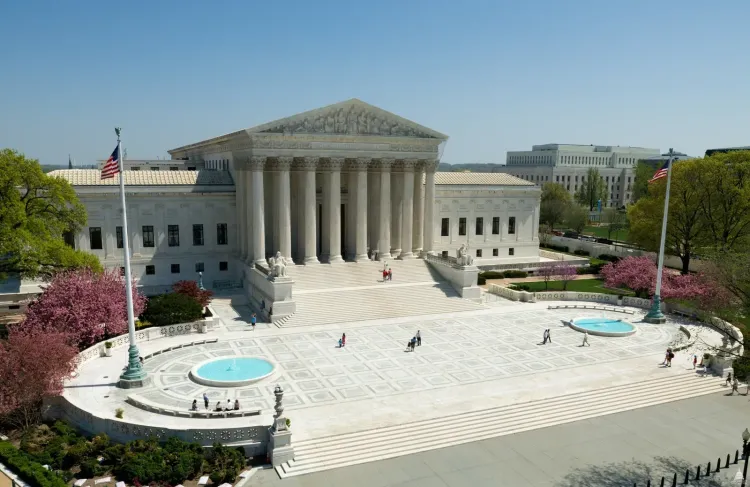
The US Supreme Court on 30 June upheld birthright citizenship for all children born in the US, invalidating President Trump 's executive order.
The ruling protects children of nearly 300,000 Indians on H1B work visas , as well as those on student and visitor visas.
Chief Justice John Roberts wrote the majority opinion affirming the 14th Amendment ; six of nine justices backed the outcome.
Justice Brett Kavanaugh separately concurred on different legal grounds, making the effective majority even broader.
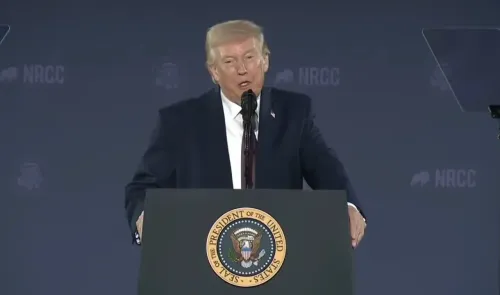
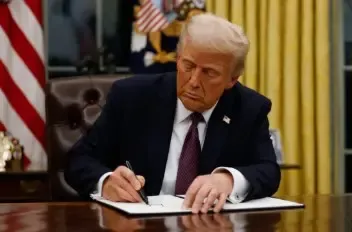
Trump called the verdict 'too bad for our Country' and urged Congress to reverse it through legislation, though legal experts question whether that is constitutionally viable.
Indians on H1B visas already face decades-long Green Card waits due to per-country caps, making birthright citizenship a critical safeguard for their US-born children.
The US Supreme Court on 30 June upheld birthright citizenship for all children born on American soil, delivering a decisive blow to President Donald Trump's executive order and bringing immediate relief to nearly 300,000 Indians on H1B work visas whose children's citizenship status had been thrown into uncertainty. The ruling preserves a constitutional guarantee that has stood for over a century.
What the Court Decided
Chief Justice John Roberts authored the majority opinion, joined by five other justices — including two fellow conservatives — affirming that the 14th Amendment guarantees citizenship to all persons born in the United States. 'We keep that promise,' Roberts wrote, referring to the Amendment's foundational text. A seventh justice, Brett Kavanaugh, separately concurred in striking down Trump's order on distinct legal grounds.
The ruling rests on the Amendment's plain language: 'All persons born or naturalised in the United States, and subject to the jurisdiction thereof, are citizens of the United States.' The Court rejected the Trump administration's argument that the phrase 'subject to the jurisdiction thereof' excludes children of non-permanent residents or undocumented migrants.
Why It Matters for Indians on H1B Visas
The ruling is particularly consequential for Indian nationals trapped in the decades-long Green Card backlog. Because employment-based green card allocations are capped per country, Indians on H1B visas routinely wait decades for permanent residency — meaning their children are often born in the US long before the parents have any clear path to permanency. Under Trump's now-invalidated order, those children would have been denied automatic citizenship.
The decision also protects children born to others on temporary visas — including students and visitors — who give birth in the United States. Those children will continue to be automatically guaranteed citizenship and a lifetime right to reside in the country.
Community and Political Reaction
Chinten Patel, executive director of Indian American Impact, an organisation promoting political participation within the community, called the ruling 'a profound affirmation of who belongs in America,' noting that 'Indians and South Asian immigrant families are among those most directly threatened by Trump's executive order.' He added that for H1B families, 'children are often born here long before their parents have a clear path to permanency. Today the Supreme Court looked at those families and said: Your children are American. They belong here.'
Indian American member of Congress Pramila Jayapal welcomed the verdict in a post on X, writing: 'I am an immigrant. I know what this country's promises mean when they are kept, and I know what it costs when they are broken.' She added: 'Our Constitution does not have asterisks. It does not have exceptions for who deserves to belong. Birthright citizenship is the law of this land, and today the Court reaffirmed that.'
Trump's Response and What Comes Next
Trump decried the verdict as 'too bad for our Country' and called on Congress to reverse it through legislation, writing on Truth Social: 'We can easily make it up in Congress through legislation,' and that 'no long and unwieldy Constitutional Amendment is necessary.' Legal analysts, however, question how any such legislation could withstand the Court's unambiguous reaffirmation of the 14th Amendment's scope.
Trump's original executive order — issued in the opening days of his second term — had been blocked from enforcement by a series of lower court rulings before the Supreme Court took up the case. The order was ostensibly aimed at curbing 'birth tourism,' the organised practice of travelling to the US on tourist visas to give birth, but critics noted it swept far more broadly to include those lawfully employed on H1B and similar work visas. With the Supreme Court's ruling now in place, the constitutional question is settled — though political battles over immigration policy are expected to continue.
Point of View
But it does not resolve the underlying crisis facing Indian H1B workers — a Green Card backlog so severe that some applicants are projected to wait over a century under current quotas. For those families, birthright citizenship for their US-born children is not a bonus; it is the only durable legal anchor they have. Trump's pivot to a legislative fix is politically signalling to his base, but it faces an almost impossible constitutional bar given the Court's unambiguous 14th Amendment reading. The deeper story here is that American immigration policy has created a permanent underclass of high-skilled workers — lawfully present, economically productive, yet permanently provisional — and no court ruling fully fixes that.
NationPress
1 Jul 2026
Frequently Asked Questions
What did the US Supreme Court rule on birthright citizenship?
The Supreme Court upheld the constitutional right to citizenship for all children born on US soil, striking down President Trump's executive order that sought to deny citizenship to children of non-permanent residents and undocumented migrants. Chief Justice John Roberts, writing for the majority, affirmed the 14th Amendment's guarantee that all persons born in the United States are citizens.
How does this ruling affect Indians on H1B visas?
It directly protects the nearly 300,000 Indians on H1B work visas whose children are born in the US while their parents await permanent residency. Because India-born applicants face decades-long Green Card backlogs due to per-country caps, their US-born children's automatic citizenship is often the only secure immigration status in the family.
Why did Trump issue the executive order on birthright citizenship?
Trump's order, issued at the start of his second term, was ostensibly aimed at ending 'birth tourism' — the practice of travelling to the US on tourist visas specifically to give birth. However, it also extended to children of those lawfully working in the US on H1B and similar temporary visas, drawing widespread legal challenges.
What is the 14th Amendment and why is it central to this case?
The 14th Amendment, ratified in 1868 after the US Civil War, grants citizenship to all persons born or naturalised in the United States and subject to its jurisdiction. It was originally enacted to guarantee citizenship to freed slaves. The Supreme Court ruling reaffirmed that its language applies broadly and cannot be narrowed by executive order.
Can Congress overturn the Supreme Court's birthright citizenship ruling?
President Trump has called on Congress to reverse the ruling through legislation, but legal analysts broadly question whether any statute could override an explicit Supreme Court interpretation of a constitutional amendment. Overturning a constitutional provision would require a new amendment — a process requiring two-thirds of Congress and ratification by three-quarters of states.