US tariffs of up to 25% on India months away: USTR's Greer
Synopsis
Washington has put up to 25% tariffs on Indian goods on the table, but USTR Jamieson Greer says none are likely to bite for at least a couple of months. A 17% rate is on offer if India signs a deal, and New Delhi flatly denies having any excess capacity. The bilateral trade talks are now where this will be settled.
Key Takeaways
USTR has proposed tariffs of up to 25 per cent on Indian goods, with exemptions, under Section 301 .
A lower 17 per cent rate would be considered if India reaches a reciprocal trade agreement addressing the findings.
Jamieson Greer said the duties are unlikely to take effect earlier than a couple of months from now and would ‘top up a few percentage points’ overall.
USTR's findings cover 14 economies ; the probe began on 11 March with 16, excluding Mexico and Norway from the final list.
India's Commerce Ministry rejected the excess-capacity finding and backed resolution through bilateral trade talks.
Comments are due 5 January 2027 ; hearings begin 25 January 2027 .
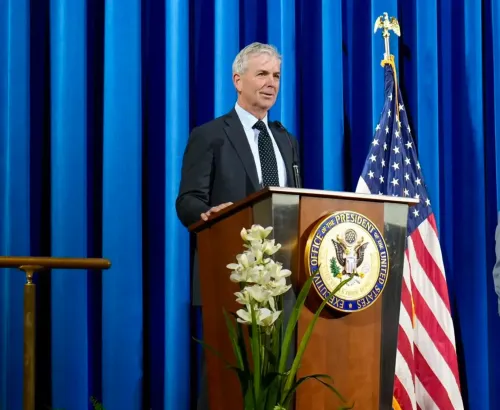
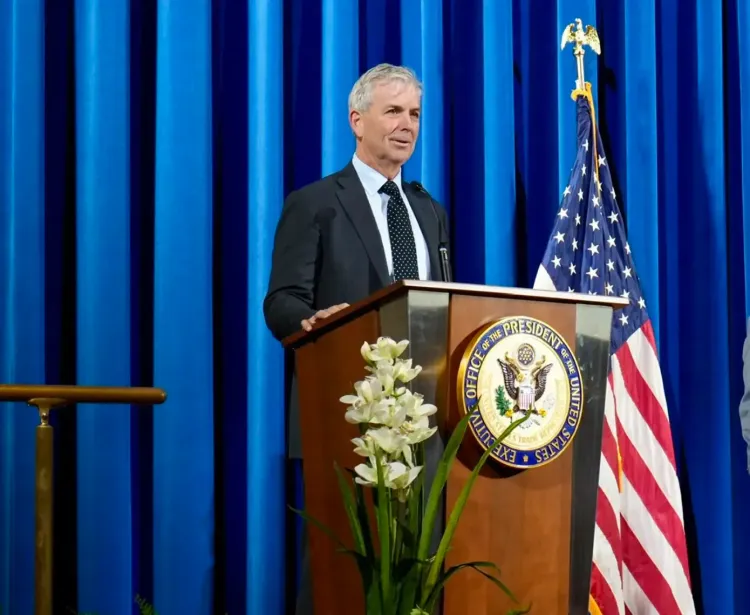
US Trade Representative Jamieson Greer has said he does not expect proposed tariffs covering India and 13 other economies to take effect for at least a couple of months. He described them as targeted duties that would generally add only a few percentage points once existing tariffs are counted. His remarks follow a proposal by the Office of the US Trade Representative (USTR) for duties of up to 25 per cent on Indian goods, with exemptions. USTR said it would consider a lower 17 per cent rate if India reaches a reciprocal trade agreement.
The duties remain proposals. Greer did not announce an implementation date or an agreed rate for India.
What Greer Said on the Timeline
Speaking to CNBC's Squawk Box, Greer signalled that no immediate tariff shock was imminent. “And I don't think any of these would actually take effect earlier than a couple months from now,” he said.
He framed the package as a response to what Washington views as global overproduction. “So what we're proposing today are actually a set of targeted tariffs to respond to this problem of excess capacity,” Greer said.
On how the proposed duties would sit alongside existing levies, he said: “When you, when it all nets out, it really will just top up a few percentage points.” Notably, that was a general description of the overall package. It was not a calculation of the additional duty Indian exporters would face.
The Section 301 Findings Behind the Move
USTR concluded that manufacturing policies in 14 economies contributed to structural excess capacity and burdened or restricted US commerce. Those findings allow Washington to consider action under Section 301 of the Trade Act of 1974, the same legal tool used in earlier US tariff actions.
The investigations began on 11 March and originally covered 16 economies. USTR announced findings concerning 14 of them on Wednesday. Mexico and Norway were not included in this list.
The India proposal describes the duties as net of existing Section 301 tariffs and provides exemptions for certain goods. Neither the proposed 25 per cent rate nor the conditional 17 per cent figure should therefore be read as a simple addition to existing Section 301 duties.
India Rejects Excess-Capacity Charge
New Delhi rejected the finding outright and said trade concerns should be addressed through bilateral talks. “India does not have structural excess capacity in any sector,” the Ministry of Commerce and Industry said, describing the position it presented during the investigation.
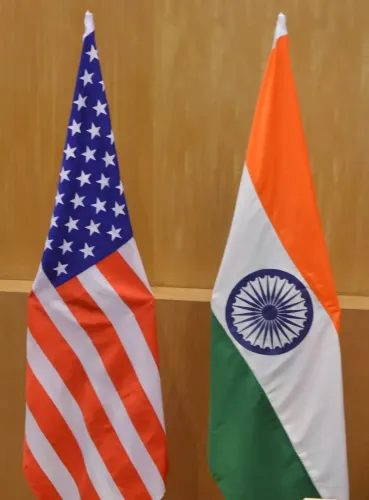
The ministry said it was examining the US notice and remained committed to an early conclusion of the India-US bilateral trade agreement. “It has been India's position that any trade-related concerns should be addressed within the framework of these negotiations,” it said.
Greer also said Washington wants to preserve its existing trade arrangements. “And that's why we're sticking to the deals, whether it's with China or with Thailand or with India, whoever it is, with the EU, for example,” he said. His mention of India did not announce the completion of a new agreement. USTR's written proposal makes the 17 per cent rate conditional on India reaching an agreement that responds to the excess-capacity findings.
What Happens Next
Written comments and requests to appear at public hearings are due by 5 January 2027. Hearings begin on 25 January 2027 and will continue as needed. The proposed rates remain subject to review, and no final implementation date has been announced.
For Indian exporters, the next few weeks of negotiations could decide whether the final rate lands closer to 25 per cent, drops to the conditional 17 per cent, or is overtaken by a bilateral deal.
Point of View
Timed to push India towards closing the bilateral trade agreement on Washington's terms. Greer's ‘few percentage points’ reassurance describes the whole package, not India's actual exposure. Indian exporters should not take comfort from it until the exemptions and the net-of-301 arithmetic are spelled out. New Delhi's flat denial of excess capacity is principled, but the hearing calendar gives negotiators only weeks, not months, to turn that position into a deal that protects key export sectors.
NationPress
26 Nov 2026
Frequently Asked Questions
What tariffs has the US proposed on Indian goods?
USTR has proposed tariffs of up to 25 per cent on Indian goods, with exemptions for certain products, under Section 301 of the Trade Act of 1974. It said it would consider a lower 17 per cent rate if India reaches a reciprocal trade agreement addressing its excess-capacity findings.
When will the proposed US tariffs on India take effect?
No implementation date has been announced. US Trade Representative Jamieson Greer said he does not think any of the duties would take effect earlier than a couple of months from now, and the rates remain subject to review.
How has India responded to the USTR findings?
India's Ministry of Commerce and Industry rejected the finding, saying India does not have structural excess capacity in any sector. It said it was examining the US notice and that trade concerns should be addressed through the ongoing India-US bilateral trade agreement negotiations.
Which countries are covered by the USTR excess-capacity findings?
USTR announced findings concerning 14 economies, including India, after investigations that began on 11 March and initially covered 16. Mexico and Norway were not included in the final list.
What are the next steps in the US tariff process?
Written comments and requests to appear at public hearings are due by 5 January 2027, and hearings begin on 25 January 2027. The proposed rates will remain under review until a final decision is taken.