US State Dept urges Pakistan to follow law in Khyber Pakhtunkhwa emergency
Synopsis
Washington has broken its silence on Pakistan's emergency takeover of Khyber Pakhtunkhwa — but its response was a studied non-intervention. The State Department told Voice of America it simply 'expects' Pakistani authorities to follow their own laws, neither condemning the suspension of an elected government nor the detention of Chief Minister Sohail Afridi. With Amnesty International alarmed and Zalmay Khalilzad warning of escalation, the muted US line may signal more than it says.
Key Takeaways
The US State Department said it expects Pakistani authorities to 'act in accordance with Pakistani law' during emergency rule in Khyber Pakhtunkhwa — its first public comment on the crisis.
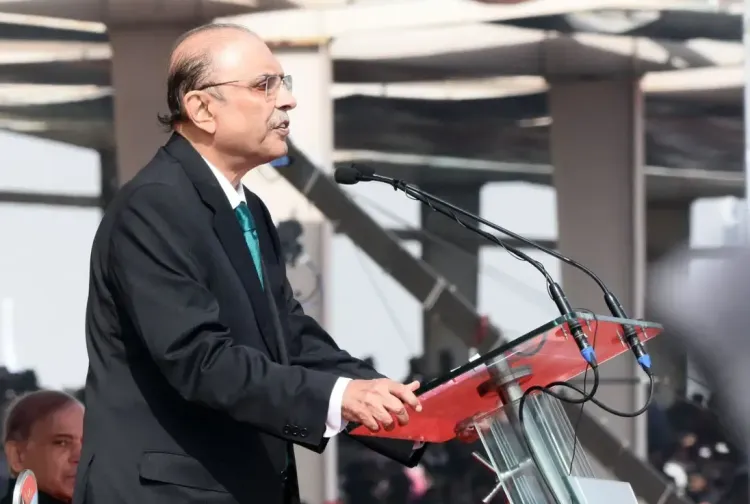
Pakistani President Asif Ali Zardari imposed emergency rule on 11 October 2026 under Articles 232 and 234 of Pakistan's Constitution, suspending the PTI -led provincial government.
Chief Minister Sohail Afridi and several cabinet members were detained; the federal government has accused the province of colluding with the Tehrik-e-Taliban Pakistan (TTP) .
Amnesty International condemned the emergency, with deputy director Babu Ram Pant flagging concerns about proportionality.
Former US envoy Zalmay Khalilzad warned the step could escalate instability and violence in the region.
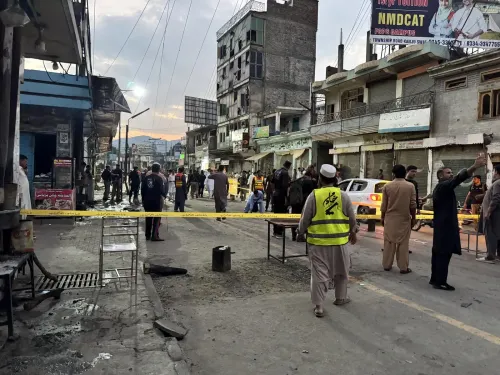
Pakistan says more than 3,000 people have been killed in 2,800 militant attacks since January 2026 , as Islamabad and Kabul trade blame over cross-border violence.
The US State Department has issued its first public statement on Pakistan's imposition of emergency rule in Khyber Pakhtunkhwa, saying it expects local authorities to act within Pakistani law — a carefully worded response that stopped short of criticising Islamabad's takeover of the province governed by Imran Khan's party.
'We expect that local authorities will act in accordance with Pakistani law as they seek to maintain order,' a State Department spokesperson said in an email to Voice of America's Afghan service, adding that the department was 'aware of the reports.'
How the Emergency Was Imposed
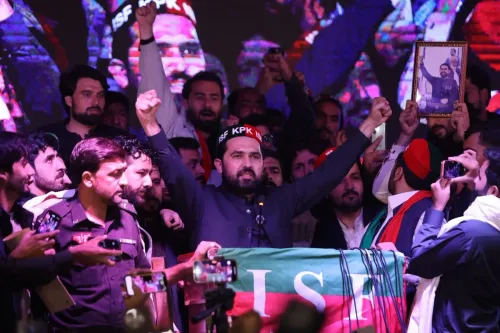
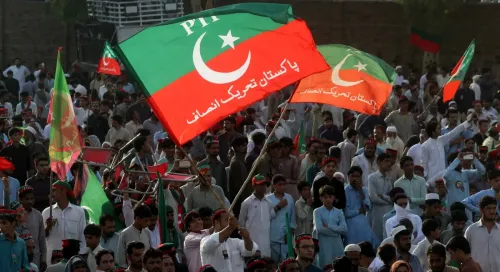
Pakistani President Asif Ali Zardari approved emergency and governor's rule in Khyber Pakhtunkhwa on 11 October 2026, invoking Articles 232 and 234 of Pakistan's Constitution. The move suspended the provincial government of Khan's Pakistan Tehreek-e-Insaf (PTI), coming days ahead of a planned march by PTI supporters. Chief Minister Sohail Afridi and several cabinet members were subsequently detained.
What the Federal Government Alleges
The federal government has accused the provincial administration of colluding with the Tehrik-e-Taliban Pakistan (TTP), a charge the PTI has denied. The party has said it will challenge the emergency declaration in court. Notably, the State Department's comment did not address the detention of the elected chief minister or call for the reinstatement of the provincial government.
International Reactions
Amnesty International condemned the declaration. Its deputy director for South Asia, Babu Ram Pant, said it 'raised concerns about the proportionality of these emergency measures.' Former US special envoy Zalmay Khalilzad warned on X that the move could escalate instability and violence in the region.
Broader Regional Context
The US statement comes against a fraught backdrop: Pakistan and Afghanistan's Taliban-led government are trading blame over cross-border violence. Islamabad has said more than 3,000 people have been killed in 2,800 militant attacks since January 2026. Washington's relationship with Islamabad was also examined this week at a Stimson Center discussion on former US defence official David O. Smith's book 'History Begins Today!' on US-Pakistan relations since 9/11, featuring analysts Shuja Nawaz, Tamanna Salikuddin, and Elizabeth Threlkeld.
With the PTI vowing legal action and rights groups raising alarm, the political and security trajectory of Khyber Pakhtunkhwa remains uncertain.
Point of View
Even as the situation draws Amnesty International's alarm and a pointed warning from a former US special envoy. This fits a broader pattern: US-Pakistan relations since 9/11 have consistently prioritised security cooperation over democratic accountability in Islamabad's domestic politics. With TTP attacks surging and cross-border blame between Pakistan and Afghanistan intensifying, the US calculus appears to be one of managed ambiguity — just enough comment to note awareness, not enough to constrain a partner it still needs.
NationPress
15 Oct 2026
Frequently Asked Questions
What did the US State Department say about Pakistan's emergency rule in Khyber Pakhtunkhwa?
The US State Department said it 'expects that local authorities will act in accordance with Pakistani law as they seek to maintain order' — its first public comment since Pakistan imposed emergency rule in Khyber Pakhtunkhwa on 11 October 2026. The statement did not criticise the emergency or the detention of the province's elected chief minister.
Why did Pakistan impose emergency rule in Khyber Pakhtunkhwa?
Pakistani President Asif Ali Zardari invoked Articles 232 and 234 of Pakistan's Constitution to impose emergency and governor's rule in Khyber Pakhtunkhwa on 11 October 2026, suspending the PTI-run provincial government ahead of a planned march by Imran Khan's supporters. The federal government has also accused the provincial administration of colluding with the Tehrik-e-Taliban Pakistan (TTP).
Who was detained during the Khyber Pakhtunkhwa emergency?
Chief Minister Sohail Afridi and several cabinet members were detained following the imposition of emergency rule. The PTI has said it will challenge the move in court.
What has the international community said about Pakistan's emergency declaration?
Amnesty International condemned the declaration, with its deputy director for South Asia, Babu Ram Pant, saying it 'raised concerns about the proportionality of these emergency measures.' Former US special envoy Zalmay Khalilzad warned on X that the step could escalate instability and violence.
How does this development fit into the broader Pakistan-Afghanistan security situation?
Pakistan and Afghanistan's Taliban-led government are currently trading blame over cross-border violence. Islamabad says more than 3,000 people have been killed in 2,800 militant attacks since January 2026. The emergency in Khyber Pakhtunkhwa — a province bordering Afghanistan — adds a significant internal political dimension to an already volatile regional security environment.