Is the US Successfully Hindering China's Influence in Latin America?
Synopsis
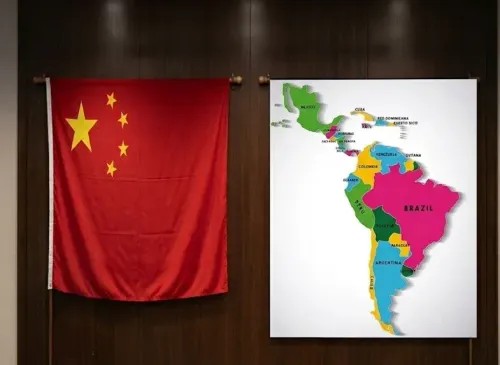
A recent report reveals that China is losing its foothold in Latin America as the US strengthens its influence in the region. From the Panama port concessions to military deals in Argentina, the dynamics are shifting. This piece explores the implications of these developments on both countries' strategies in Latin America.
Key Takeaways
China's influence in Panama declines with the Supreme Court ruling against port concessions.
US military relationships strengthen as countries like Argentina choose American-made jets.
Cuba's ties with China weaken as the US cuts off oil subsidies.
Bolivia prioritizes relationships with international financial institutions over China.
Overall, a shift in alliances could reshape Latin America's geopolitical landscape.
Washington, Feb 6 (NationPress) A recent report indicates that China has diminished its influence over two pivotal ports in Panama this year, marking what appears to be a challenging start for the Chinese Communist Party in Latin America.
According to Arturo McFields, an exiled journalist and former Nicaraguan Ambassador to the Organisation of American States, “The Cuban regime is starting to falter, and Latin American countries are increasingly rejecting military purchases from Beijing,” as he wrote in the prominent US political platform, 'The Hill'.
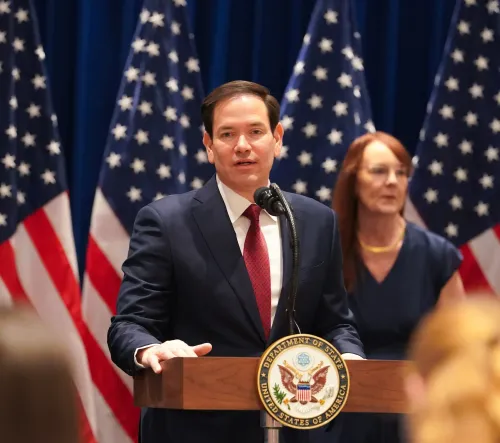
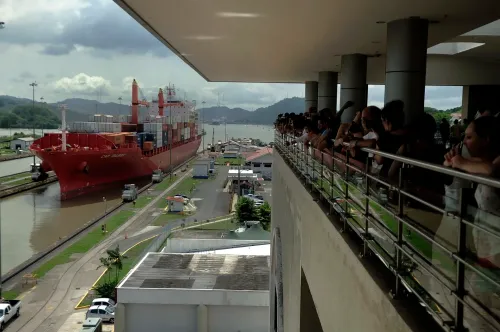
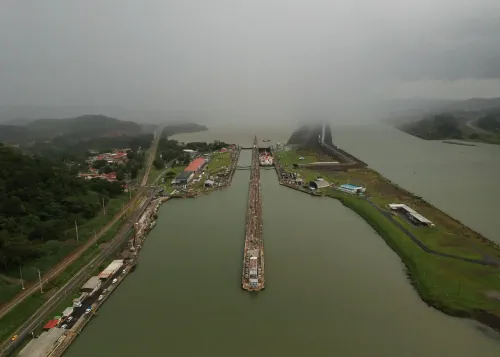
Last month, Panama’s Supreme Court deemed the concessions that allowed Hong Kong’s CK Hutchinson Holdings to manage the Balboa and San Cristobal ports as unconstitutional. This ruling represents not just a judicial outcome but a significant setback for China and a victory for the Donald Trump administration in the region, according to McFields. US Secretary of State Marco Rubio remarked, “The United States is encouraged by the recent Panamanian Supreme Court’s decision to rule port concessions to China unconstitutional.”
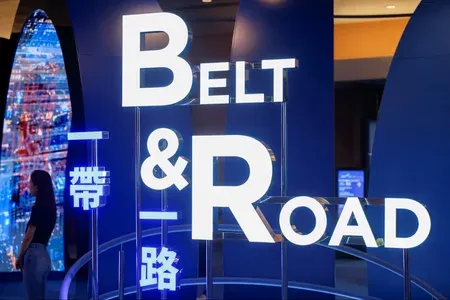
McFields elaborated that from the first day of his presidency, Donald Trump prioritized regaining control over the Panama Canal from Chinese influence. In February of the previous year, Panama announced its exit from China’s contentious Belt and Road Initiative (BRI).
Furthermore, China has encountered challenges in Cuba. For two decades, Cuba has been a vital ally for China, especially in the establishment and renovation of espionage facilities. However, this partnership is diminishing as the US has classified Cuba as an “unusual and extraordinary threat,” cutting off oil subsidies from Venezuela and compelling negotiations. Trump is optimistic about the prospects of reaching an agreement for change, which would signify another setback for China, McFields noted in 'The Hill'.
Additionally, just two months prior, China experienced a military defeat in Argentina when the South American nation opted against acquiring the JF-17 fighter jet, instead choosing to procure 24 F-16s from Denmark with US authorization. Both Uruguay and Paraguay are also increasingly depending on US military supplies.
In Peru, China faced another setback as the US indicated plans to designate it as a major non-NATO ally, a significant move regarding security and defense. The CIA returned to Venezuela in January, with Director John Ratcliffe visiting Caracas and Deputy Director Michael Ellis attending a meeting with the Brazilian Federal Police in Venezuela.
According to McFields in 'The Hill', China is losing its grip on promoting its debt trap strategy and will be unable to replicate its African tactics in Latin America. Bolivia has once again prioritized relationships with the World Bank, the International Monetary Fund (IMF), and the Inter-American Development Bank. Furthermore, Argentina has entered into a USD 20 billion agreement with the IMF, while Ecuador continues to operate under a USD 5 billion program.
In conclusion, McFields asserts, “It’s important to note that while China has not completely lost its power and influence in Latin America, the new US National Security Strategy, particularly the Trump Corollary to the Monroe Doctrine ('Donroe'), is effectively slowing and reversing Beijing’s progress in the region.”
Point of View
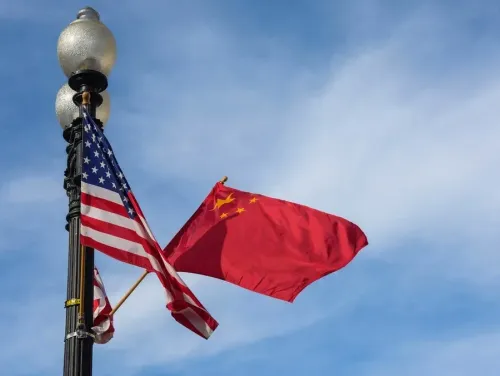
It is crucial to acknowledge the shifting geopolitical landscape in Latin America. The recent setbacks for China, particularly in Panama and Cuba, signify a potential realignment of alliances that could reshape the region's future. The US's proactive stance appears to be gaining traction, but the full impact remains to be seen.
NationPress
21 Oct 2026
Frequently Asked Questions
What recent developments indicate China's declining influence in Latin America?
The recent ruling by Panama's Supreme Court against Chinese port concessions and military purchases by countries like Argentina signify a decline in China's influence.
How has the US responded to China's actions in Latin America?
The US has actively supported decisions that counter China's influence, such as the Panama Supreme Court ruling and fostering military agreements with Latin American countries.
What are the implications of these developments for US-China relations?
These shifts could exacerbate tensions between the US and China, potentially leading to a more competitive geopolitical landscape in Latin America.