US urges Ethiopia, Eritrea to show 'maximum restraint' over border tensions
Synopsis
Washington has issued its sharpest public warning yet over deteriorating Ethiopia-Eritrea relations, invoking the 2018 peace deal both nations signed and cautioning that the Horn of Africa — already strained by the Tigray crisis — cannot absorb another war. The US call for 'maximum restraint' signals alarm in Washington, even as no sanctions were announced.
Key Takeaways
The US State Department on 4 October 2025 urged Ethiopia and Eritrea to exercise 'maximum restraint' over escalating cross-border tensions.
Spokesman Tommy Pigott warned that the Horn of Africa 'cannot sustain another military conflict and humanitarian crisis.' Washington called on both governments to return to the 2018 peace framework signed by PM Abiy Ahmed and President Isaias Afwerki .
No new sanctions or punitive measures were announced; the statement focused on de-escalation and dialogue.
The State Department already advises Americans against travel to Ethiopia's Tigray region and the Eritrean border due to ongoing armed conflict.
Eritrea and Ethiopia fought a border war between 1998 and 2000 that killed tens of thousands, before restoring ties in 2018 .
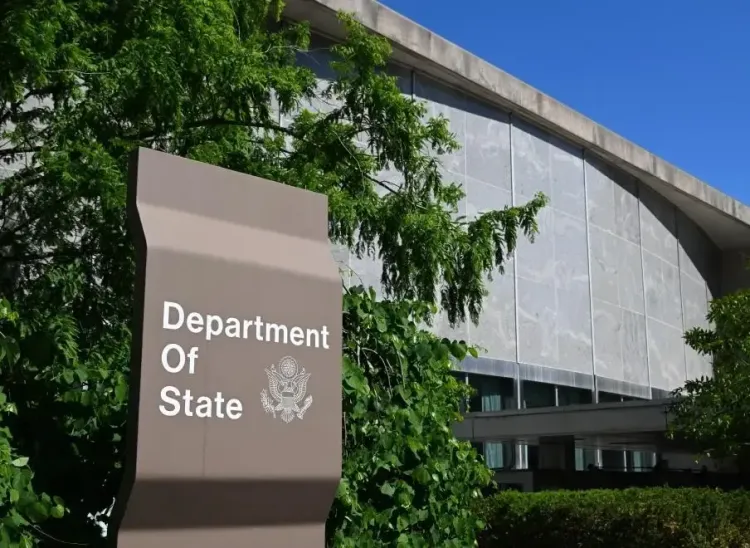
The United States on Saturday, 4 October 2025 called on Ethiopia and Eritrea to exercise 'maximum restraint' amid escalating cross-border tensions, warning that a fresh conflict could unleash a new humanitarian crisis across the Horn of Africa. The appeal, issued by the State Department, underscores growing anxiety in Washington over a potential military flare-up between two countries that have only recently emerged from decades of hostility.
What Washington Said
State Department spokesman Tommy Pigott said in a formal statement that rising tensions between the two neighbouring countries carry consequences well beyond their shared border. 'Increasing cross-border tensions between Ethiopia and Eritrea have the potential to affect the entire region,' Pigott said.
He added: 'The Horn of Africa cannot sustain another military conflict and humanitarian crisis. A conflict jeopardizes ongoing US collaboration on shared interests with both countries.' Washington specifically called on both governments to respect the sovereignty and territorial integrity of neighbouring states and to step back from any actions that could widen the crisis.
The 2018 Peace Framework Invoked
The State Department explicitly referenced the landmark 2018 peace framework under which Ethiopian Prime Minister Abiy Ahmed and Eritrean President Isaias Afwerki restored diplomatic ties and formally ended their state of war — a breakthrough that earned Abiy Ahmed the Nobel Peace Prize. 'We strongly urge Ethiopia and Eritrea to respect the sovereignty and territorial integrity of their neighbors, exercise maximum restraint and return to dialogue and cooperation as agreed in their 2018 peace framework,' Pigott said. He added: 'Peace through dialogue is the only path toward sustainable security, economic growth, and prosperity.'
Notably, Saturday's statement stopped short of announcing new sanctions or other punitive measures against either country, focusing instead on de-escalation and the restoration of the framework both parties agreed to nearly seven years ago.
Background: A History of Conflict and Fragile Peace
Eritrea gained independence from Ethiopia in 1993 following a prolonged liberation struggle. The two nations subsequently fought a devastating border war between 1998 and 2000, a conflict that killed tens of thousands of people and left bilateral relations frozen for nearly two decades. The 2018 rapprochement was widely celebrated as a historic turning point for the region. The current deterioration therefore represents a serious reversal of hard-won diplomatic progress.
This comes amid renewed fighting in Ethiopia's northern Tigray region and a sharp worsening of relations between Addis Ababa and Asmara. The State Department already advises American citizens against travel to Ethiopia's Tigray region and areas along the Eritrean border, citing armed conflict, civil unrest, and crime, with a warning that conditions can change without notice.
Regional Implications
Analysts have long warned that the Horn of Africa — already burdened by food insecurity, displacement, and multiple active conflicts — has little capacity to absorb a new large-scale war. A breakdown in Ethiopia-Eritrea relations would risk drawing in regional actors and disrupting already fragile humanitarian supply lines. Washington's public intervention signals that it views the current trajectory as genuinely dangerous and is seeking to use diplomatic pressure to halt an escalation before it becomes irreversible.
Whether the appeal registers in both capitals remains to be seen, but the direct citation of the 2018 peace accord suggests the US is attempting to hold both governments to commitments they have already publicly made.
Point of View
With spillover into Sudan, Djibouti, and Somalia. The real question is whether this public call marks the beginning of a sustained US diplomatic engagement or a one-off statement before the crisis moves beyond the point of dialogue.
NationPress
4 Oct 2026
Frequently Asked Questions
Why is the US urging Ethiopia and Eritrea to show restraint?
The US issued the call on 4 October 2025 in response to escalating cross-border tensions between Ethiopia and Eritrea that Washington fears could trigger a new military conflict and humanitarian crisis in the Horn of Africa. The State Department warned that the region cannot sustain another war and that a conflict would also jeopardise ongoing US collaboration with both countries.
What is the 2018 peace framework between Ethiopia and Eritrea?
The 2018 peace framework is the agreement under which Ethiopian Prime Minister Abiy Ahmed and Eritrean President Isaias Afwerki restored diplomatic ties and formally ended their state of war, which had frozen relations since the 1998–2000 border conflict. The deal earned Abiy Ahmed the Nobel Peace Prize and was hailed as a historic breakthrough for regional stability.
Did the US announce any sanctions against Ethiopia or Eritrea?
No. The State Department's 4 October statement did not announce new sanctions or other punitive measures against either country. It focused exclusively on urging de-escalation, respect for neighbouring countries' sovereignty, and a return to the 2018 peace framework.
What is the current situation in Ethiopia's Tigray region?
Reports indicate renewed fighting in Ethiopia's northern Tigray region alongside a sharp deterioration in relations between Addis Ababa and Asmara. The US State Department already advises its citizens against travel to the Tigray region and the Ethiopian-Eritrean border due to armed conflict, unrest, and crime.
What is the history of conflict between Ethiopia and Eritrea?
Eritrea became independent from Ethiopia in 1993 after a prolonged liberation struggle. The two countries then fought a devastating border war from 1998 to 2000 that killed tens of thousands and left bilateral relations frozen for nearly two decades, until the 2018 rapprochement under Prime Minister Abiy Ahmed.