Venezuela earthquake death toll reaches 3,889 after June 24 quakes
Synopsis
Venezuela's June 24 twin earthquakes have now killed 3,889 people, injured over 16,740, and displaced nearly 18,000 — making it one of the country's deadliest seismic events. With 1,142 aftershocks recorded and 28 nations sending aid, the scale of the crisis is only now becoming fully apparent.
Key Takeaways
The death toll from Venezuela's June 24 earthquakes has risen to 3,889 as of 10 July .
16,740 people have been injured and 17,907 left homeless by the twin tremors.
6,462 people have been rescued; 1,142 aftershocks have been recorded since the quakes struck.
Acting President Delcy Rodriguez thanked 28 countries for delivering more than 2,000 tonnes of humanitarian aid.
Venezuela declared seven days of national mourning in tribute to the victims.
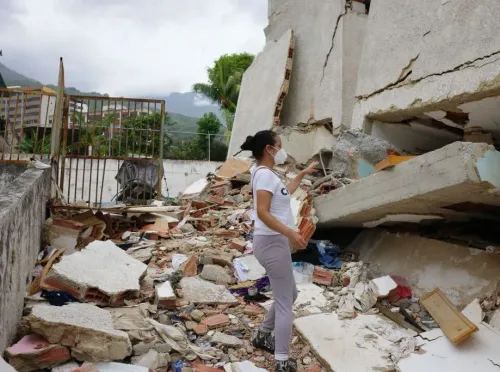
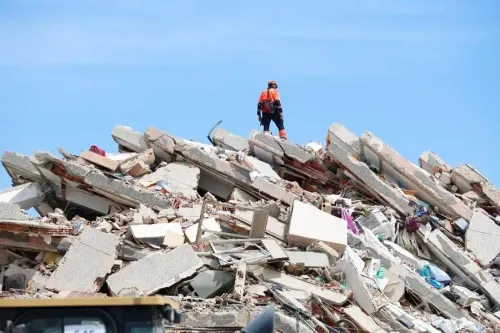
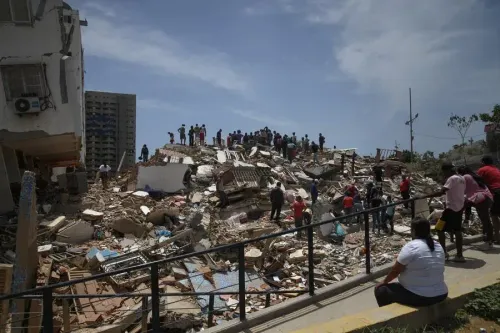
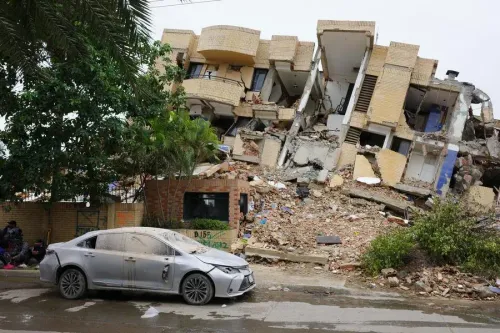
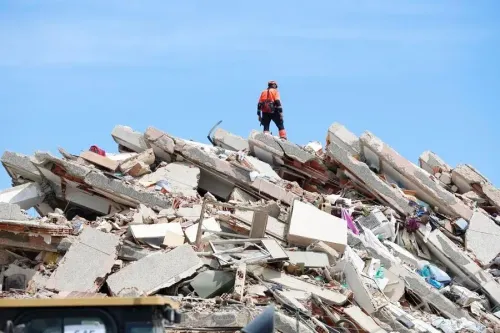
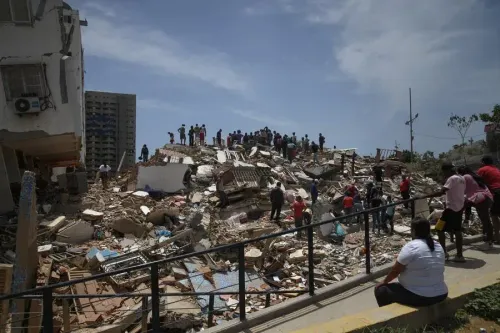
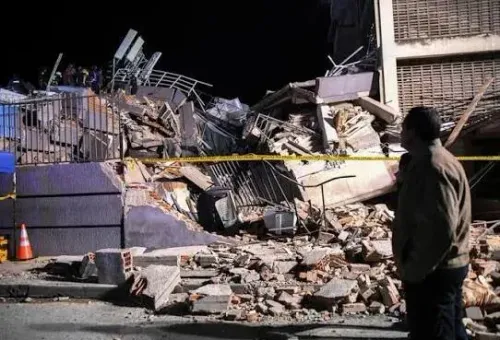
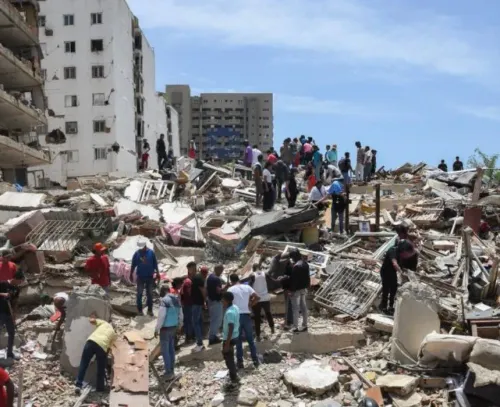
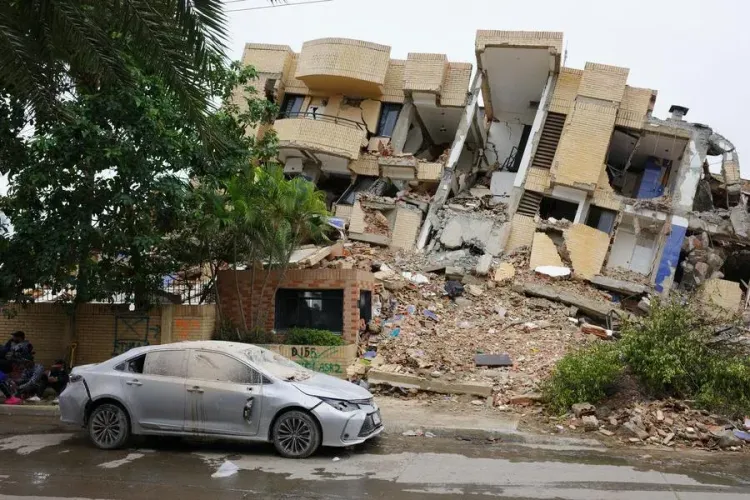
The death toll from the devastating earthquakes that struck Venezuela on 24 June has climbed to 3,889, with 16,740 people injured, according to Venezuelan National Assembly President Jorge Rodriguez. The twin powerful tremors have also left 17,907 people homeless, Rodriguez confirmed, as the country continues to grapple with one of its worst natural disasters in recent memory.
Scale of the Disaster
Official figures show that 6,462 people have been rescued since the earthquakes struck. Venezuela has since recorded 1,142 aftershocks, compounding the humanitarian strain on affected communities. An earlier official report also noted that 17,345 people had been displaced, with authorities setting up multiple temporary camps to shelter those who lost their homes.
International Aid and Humanitarian Response
Venezuela's acting President Delcy Rodriguez has expressed gratitude for humanitarian assistance provided by 28 countries following the disaster. She made the remarks after inspecting a collection centre in Caracas, where more than 2,000 tonnes of international aid are being sorted for distribution to temporary camps housing earthquake victims.
'Venezuela never tires of thanking the countries, the peoples of the world, and the governments of the world that have offered a helping hand,' Rodriguez said. She added, 'Each country will be able to see how its aid is being used so that the Venezuelan people feel the friendly helping hand of that country.'
National Mourning Declared
Acting President Rodriguez last week declared seven days of national mourning in tribute to the victims. 'In honour of the memory of the victims, I have decided to decree National Mourning for seven (7) days, starting at 6:00 p.m. today,' Rodriguez stated. She said that 'in these moments of profound sadness, we embrace those who suffer from this tragedy and reaffirm our commitment to accompany and protect them.'
The Road to Recovery
Rodriguez stressed that rebuilding remains the central priority. 'The most important thing is to look to the future, how we are going to recover, how we are going to rebuild the affected areas,' she said. The scale of displacement and the volume of aftershocks suggest that recovery efforts could extend well into the coming months, with international coordination proving critical to sustaining relief operations.
Point of View
889 from a single seismic event places Venezuela's June 24 disaster among the deadliest earthquakes in Latin American history in recent decades — yet the scale has received limited sustained international attention compared to comparable events elsewhere. The figure of 1,142 aftershocks points to ongoing structural risk for displaced populations living in temporary camps, raising serious questions about the adequacy of shelter infrastructure. While 28 countries have responded with aid, the long-term reconstruction burden will fall on a Venezuelan state already under severe fiscal and institutional strain. The gap between incoming aid volume and the number of people still displaced suggests that the humanitarian phase is far from over.
NationPress
10 Jul 2026
Frequently Asked Questions
What is the current death toll from the Venezuela earthquake?
The death toll from the earthquakes that struck Venezuela on 24 June has risen to 3,889, according to National Assembly President Jorge Rodriguez. An additional 16,740 people have been injured and 17,907 left homeless.
When did the Venezuela earthquakes occur?
Two powerful earthquakes struck Venezuela on 24 June. As of 10 July, the country had recorded 1,142 aftershocks since the initial tremors.
How many countries have sent aid to Venezuela after the earthquake?
Acting President Delcy Rodriguez confirmed that 28 countries have provided humanitarian assistance. More than 2,000 tonnes of international aid are being sorted at a collection centre in Caracas for distribution to earthquake victims.
Has Venezuela declared national mourning for the earthquake victims?
Yes. Acting President Delcy Rodriguez declared seven days of national mourning, effective from 6:00 p.m. on the day of the announcement, in tribute to those who lost their lives in the June 24 earthquakes.
How many people have been rescued and displaced in Venezuela?
Official figures show that 6,462 people have been rescued since the earthquakes. Separately, 17,345 people were reported displaced in an earlier official update, with authorities operating multiple temporary camps to house affected residents.