Kevin Warsh Sworn In as Federal Reserve Chair at White House
Synopsis
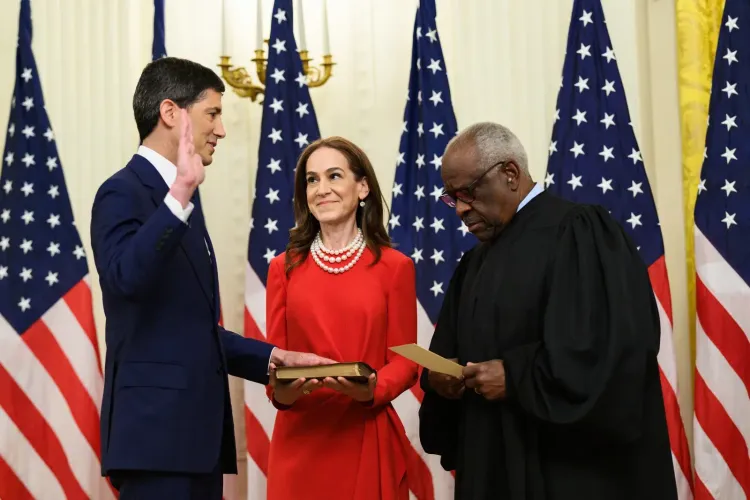
Kevin Warsh was officially sworn in as Chairman of the Federal Reserve by Justice Clarence Thomas at the White House on May 22, 2026. The former Fed Governor, who served from 2006 to 2011, now leads the US central bank. Markets worldwide, including India, will watch his early policy signals closely.
Key Takeaways
Kevin Warsh was sworn in as Federal Reserve Chairman at the White House on May 22, 2026 .
The oath was administered by Supreme Court Associate Justice Clarence Thomas .
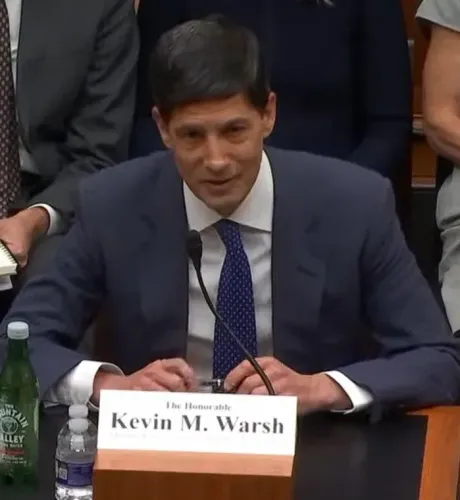
Warsh previously served as a Federal Reserve Governor from 2006 to 2011 , including during the 2008 global financial crisis .
The Fed Chair serves a four-year term and leads the institution responsible for US interest rate and monetary policy decisions.
Global markets, including Indian equity and bond markets , will closely track Warsh's first policy signals at the FOMC .
In 2017 , Warsh was a leading candidate for the same role before Jerome Powell was nominated.
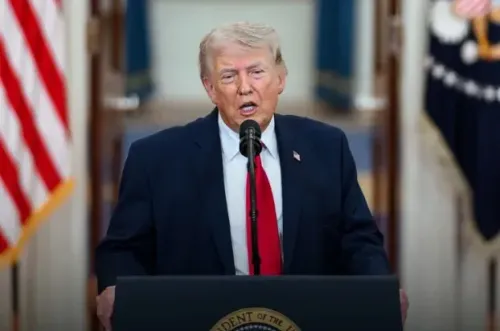
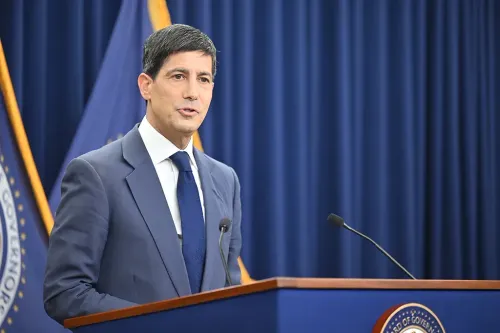
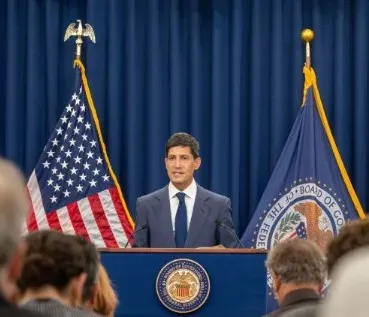
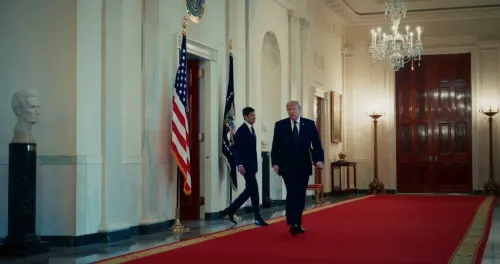
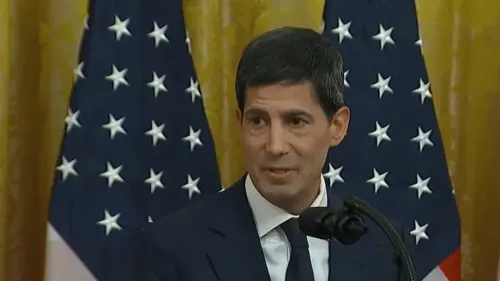
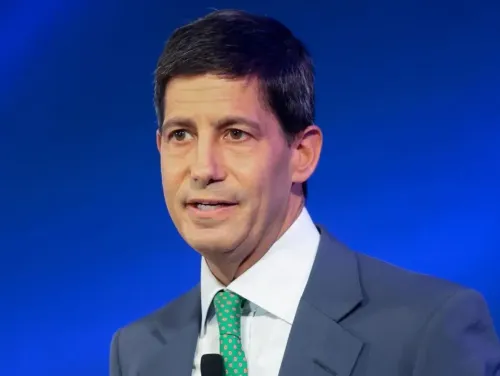
Kevin Warsh was officially sworn in as Chairman of the Federal Reserve by Justice Clarence Thomas at the White House on Friday, May 22, 2026, marking the formal installation of a new leader at the helm of the United States central bank.
Context
The White House announced the swearing-in ceremony via its official communications, confirming that Warsh took the oath of office administered by Associate Justice Clarence Thomas of the US Supreme Court. The ceremony at the presidential residence underscores the executive branch's formal role in installing Federal Reserve leadership, even as the institution operates with statutory independence from the administration.
Warsh, who previously served as a Federal Reserve Governor from 2006 to 2011, is a familiar figure in US monetary policy circles. He was widely discussed in 2017 as a leading contender for the Fed Chair position before Jerome Powell was ultimately nominated and sworn in during February 2018.
Policy Backdrop
The Federal Reserve is the central bank of the United States, responsible for setting monetary policy, supervising financial institutions, and maintaining the stability of the broader financial system. The Chair's position carries a four-year term, distinct from the 14-year terms served by individual Governors on the Board.
Presidential appointments to Fed leadership have historically been closely watched by global markets, as the Chair's stance on interest rates and inflation directly shapes credit conditions across the world economy — including capital flows into and out of emerging markets such as India. The appointment process involves presidential nomination followed by Senate confirmation, with the swearing-in ceremony completing the formal transition.
Stakeholders and Impact
Investors, banking institutions, and financial regulators across the globe will be watching Warsh's early public statements for signals on the Fed's direction on interest rates, inflation management, and financial regulation. His previous tenure as Governor coincided with the 2008 global financial crisis, giving him direct experience navigating systemic stress.
For India, the change at the Fed carries significant implications. US monetary policy decisions influence the Indian rupee, foreign portfolio investment flows, and the Reserve Bank of India's own rate-setting calculus. A shift in the Fed's tone — whether toward tighter or looser policy — will reverberate through Indian equity and bond markets.
What's Next
Market attention will now turn to the next scheduled meetings of the Federal Open Market Committee (FOMC), where Warsh will preside for the first time as Chair. His opening remarks and any early guidance on the Fed's priorities regarding inflation and employment will set the tone for his tenure.
Analysts expect scrutiny of whether Warsh signals continuity with the previous policy framework or charts a distinct course on rate decisions and the Fed's regulatory posture toward the banking sector. The global financial community will parse every word of his first official communications as Chair.
Point of View
Completing a leadership transition at the world's most influential central bank. Warsh's appointment signals a deliberate executive choice — his previous Fed tenure and long-standing commentary on monetary orthodoxy suggest he arrives with clearly formed views on inflation and financial regulation. For emerging markets including India, the critical question is whether his tenure marks a shift in the Fed's rate trajectory, which would directly affect capital flows and currency stability. The ceremony's setting at the White House also serves as a visible reminder of the executive branch's stake in Fed leadership, even as the institution's statutory independence remains formally intact.
NationPress
20 Sept 2026
Frequently Asked Questions
Who is Kevin Warsh and why is he important?
Kevin Warsh is the newly sworn-in Chairman of the Federal Reserve, the central bank of the United States. He previously served as a Fed Governor from 2006 to 2011 and is now responsible for guiding US monetary policy, including decisions on interest rates that affect economies worldwide.
Who administered the oath to Kevin Warsh as Fed Chair?
Justice Clarence Thomas, an Associate Justice of the US Supreme Court since 1991, administered the oath of office to Kevin Warsh at the White House.
What does the Federal Reserve Chair do?
The Federal Reserve Chair leads the US central bank, presiding over interest rate decisions, bank supervision, and financial stability policy. The Chair serves a four-year term and is among the most influential economic policymakers in the world.
How does the new US Fed Chair affect India?
US Federal Reserve policy directly influences global capital flows, the value of the Indian rupee, and foreign portfolio investment in Indian markets. A change in the Fed's interest rate stance under the new Chair can prompt significant shifts in Indian equity and bond markets.
Was Kevin Warsh considered for Fed Chair before 2026?
Yes. In 2017, Warsh was publicly discussed as a leading candidate for Federal Reserve Chair, but Jerome Powell was ultimately nominated and confirmed, serving from February 2018 until Warsh's appointment in 2026.