Trump blasts Fed for holding rates, touts $19.2 trillion investment surge
Synopsis
Trump's broadside against the Fed after its rate hold is more than a familiar grievance — it is an escalation. By naming Kevin Warsh as a sympathetic insider and branding the rest of the board 'political', he is publicly driving a wedge inside the central bank. Paired with an unverified $19.2 trillion investment claim, the White House is framing monetary policy restraint as the only remaining obstacle to an economy it insists is already historic.
Key Takeaways
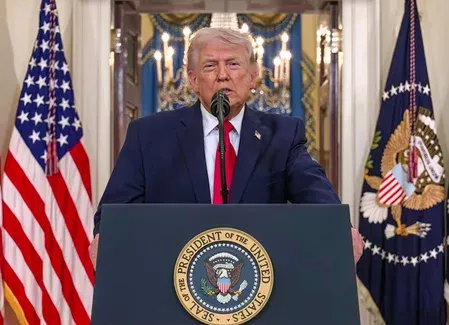
President Donald Trump criticised the Federal Reserve on 30 July for holding interest rates unchanged at its latest meeting.
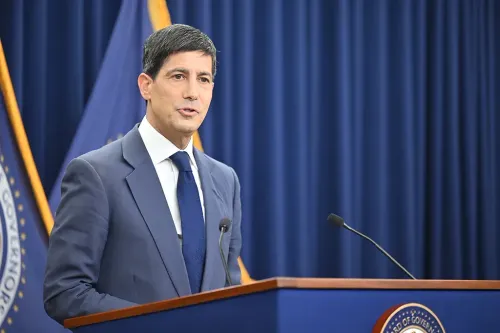
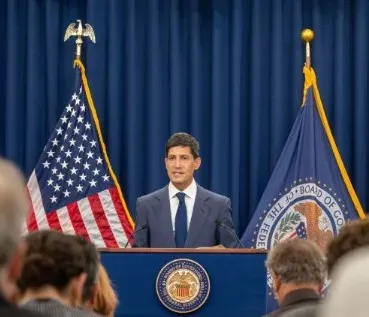
Trump praised Fed Governor Kevin Warsh but accused the broader board of being 'political' and blocking rate cuts.
Trump claimed the US attracted $19.2 trillion in investment commitments in one year — a figure not independently verified.
He contrasted this with what he called 'much less than $1 trillion' in investment during the entire four-year Biden administration.
Toyota and Nvidia CEO Jensen Huang were cited as examples of ongoing manufacturing and technology investment.
The Federal Reserve sets rates independently via the Federal Open Market Committee , not through any individual governor or White House direction.
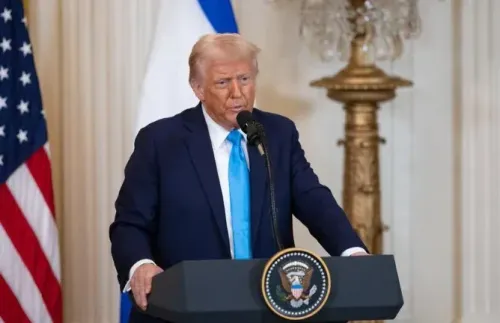
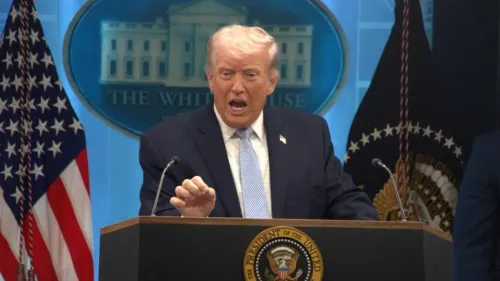
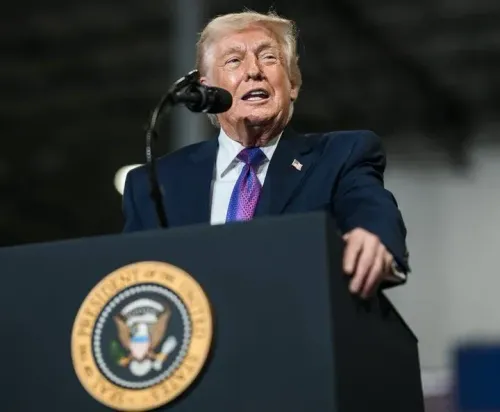
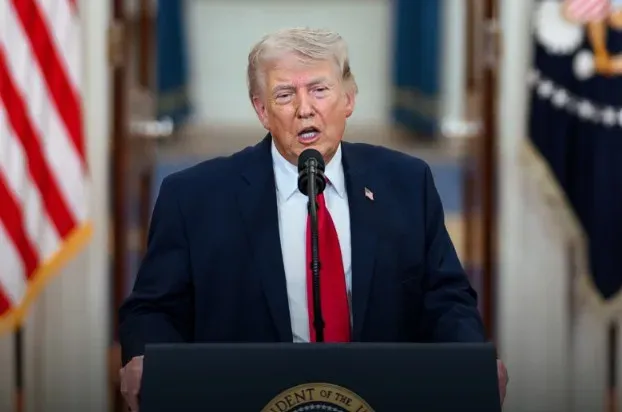
US President Donald Trump on Wednesday sharply criticised the Federal Reserve for keeping interest rates unchanged, arguing that lower borrowing costs would accelerate what he described as record-breaking investment flows into the United States. Speaking at the White House, Trump praised Federal Reserve Governor Kevin Warsh while blaming the broader board for blocking rate cuts.
Trump's Praise for Warsh — and Swipe at the Board
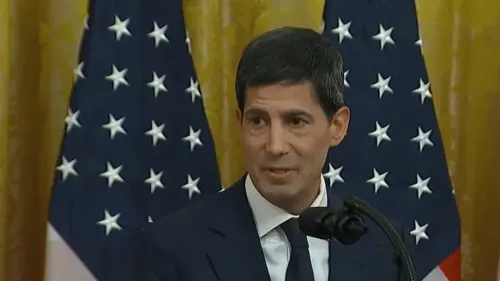
When asked whether he was surprised by the Fed's hold decision, Trump replied: 'No, Kevin's fantastic.' He went on to describe Warsh as 'a brilliant guy, smart' but contended that the governor was outvoted by colleagues with political motivations. 'I know he'd love to see lower interest rates, but he's got a board, and it's a political board, and they want to keep rates up,' Trump said.
The remarks represent the latest in a sustained pattern of White House pressure on the central bank — pressure that the Fed has, by institutional design, resisted. The Federal Open Market Committee sets US monetary policy collectively, based on assessments of inflation, employment, and broader economic conditions, independent of the executive branch.
The $19.2 Trillion Investment Claim
Trump claimed the United States had attracted $19.2 trillion in investment commitments over the past year — a figure he described as the largest ever recorded by any country. He contrasted this with what he characterised as 'much less than $1 trillion' in investment during the entire four-year tenure of the previous administration under President Joe Biden.
Trump also invoked China for comparison: 'It was China about 13, 14 years ago. We have far greater.' The White House did not immediately clarify the methodology or source behind the $19.2 trillion figure, and independent economists have not verified the claim.
Manufacturing and Automotive Expansion
The President pointed to recent announcements from the automotive sector as evidence of industrial momentum. 'Toyota just announced they're building one of the largest car plants anywhere in the world, and truck plants anywhere in the world,' Trump said, adding that the US was 'building more automobile plants now than at any time in the history of our country.'
He also referenced technology sector investment, introducing Nvidia founder and chief executive Jensen Huang at the White House event, which centred on the redevelopment of Washington Dulles International Airport. Trump said Huang was 'spending a tremendous amount of money, by hundreds of billions of dollars.'
Fed's Position and Institutional Independence
The Federal Reserve operates independently of the White House, and its rate decisions are made collectively by the Federal Open Market Committee — not by any individual governor. The Fed's hold decision reflects its ongoing assessment of inflation and labour market conditions, not political direction.
Notably, Trump's public targeting of Fed board members by characterising them as a 'political board' escalates the rhetorical pressure on an institution that has historically deflected such criticism by citing its statutory independence. How the Fed responds — or whether markets begin pricing in political risk to monetary policy — will be a key variable in the months ahead.
Point of View
Unverified and unexplained in methodology, is doing enormous rhetorical work here; if it cannot withstand scrutiny, it could become a liability. More fundamentally, the pattern of presidential pressure on the Fed — sustained and intensifying — raises a question mainstream coverage underplays: at what point does repeated public targeting begin to influence bond market assumptions about Fed independence, and what does that cost the average borrower?
NationPress
13 Sept 2026
Frequently Asked Questions
Why did Trump criticise the Federal Reserve on 30 July?
Trump criticised the Fed after it decided to hold interest rates unchanged, arguing that lower borrowing costs would further boost an economy he claims is already attracting record investment. He blamed the Fed board for blocking cuts, while praising Governor Kevin Warsh.
Who is Kevin Warsh and why did Trump praise him?
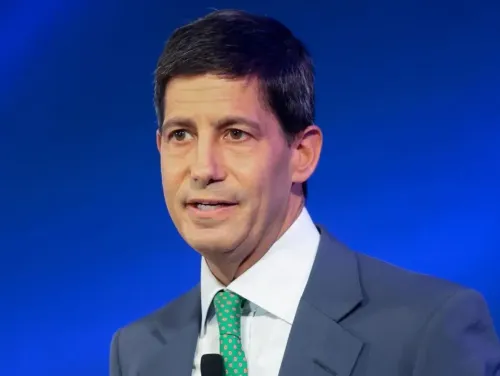
Kevin Warsh is a Federal Reserve Governor whom Trump described as 'fantastic' and 'a brilliant guy.' Trump suggested Warsh personally supports lower interest rates but is outvoted by other board members, whom Trump characterised as politically motivated.
What is the $19.2 trillion investment figure Trump cited?
Trump claimed the US attracted $19.2 trillion in investment commitments over the past year, calling it the largest such figure ever recorded by any country. The White House did not clarify the methodology behind the figure, and it has not been independently verified.
Can the US President direct the Federal Reserve to cut rates?
No. The Federal Reserve sets monetary policy independently of the White House. Rate decisions are made collectively by the Federal Open Market Committee based on economic data — not presidential instruction — under a framework designed to insulate monetary policy from political pressure.
What did Trump say about manufacturing and automotive investment?
Trump said Toyota had announced plans to build one of the largest car and truck plants in the world in the US, and claimed the country was constructing more automobile plants than at any point in its history. He also highlighted Nvidia CEO Jensen Huang's presence at the White House, citing hundreds of billions in technology investment.