Trump slams Federal Reserve over 'ridiculous' interest rates
Synopsis
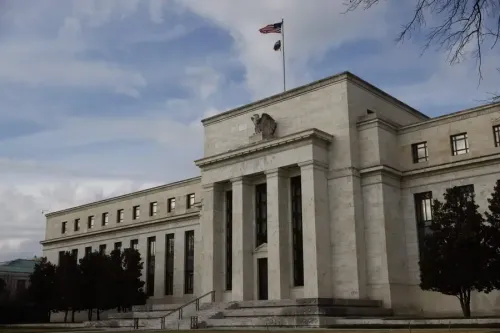
Trump went after the Federal Reserve again on 20 August, calling borrowing costs ‘ridiculous’ and claiming each percentage point of interest costs the US $600 billion. He praised Fed Chair Powell while accusing the board of political bias — a distinction that keeps pressure on the institution without directly targeting its leader.
Key Takeaways
President Donald Trump on 20 August publicly demanded lower interest rates, calling current borrowing costs “riculous.” Trump claimed every percentage point of interest costs the US $600 billion in federal payments.
He cited Switzerland’s rate of roughly 0.5% against the US rate of 3.5% to argue the gap is unjustified.
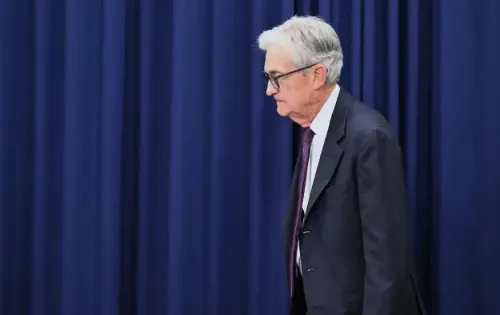
Trump praised Fed Chair Jerome Powell but accused the central bank’s board of being politically motivated.
He dismissed bond market volatility concerns, pointing to large-scale foreign investment in US factories as evidence of economic strength.
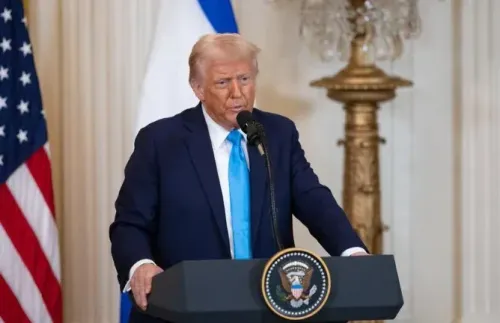
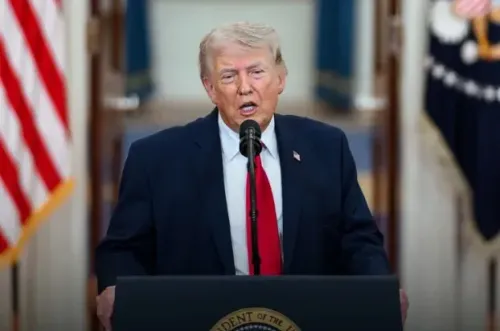
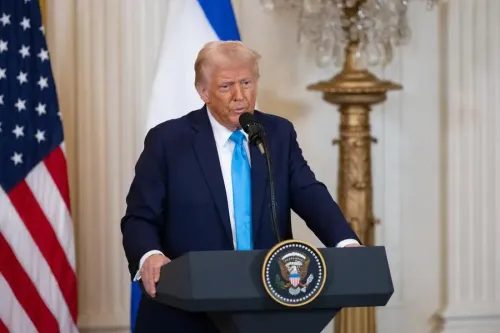
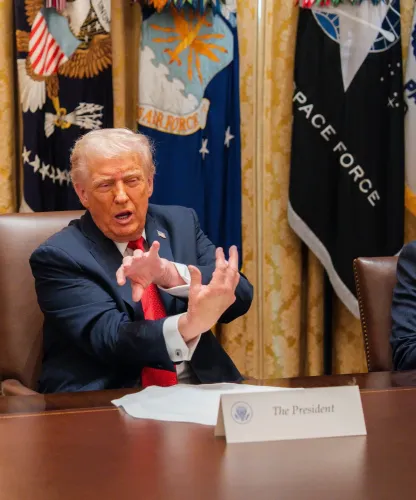
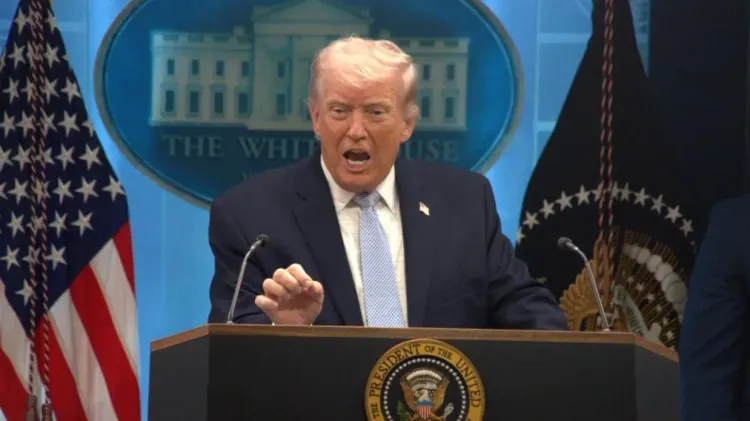
US President Donald Trump on 20 August renewed his public offensive against the Federal Reserve, labelling current borrowing costs “riculous” and dismissing concerns that bond market volatility poses any meaningful threat to the American economy. Speaking at the White House, Trump pressed the case for immediate rate cuts, arguing that strong economic performance should trigger lower — not higher — rates.
Trump's Core Argument
Trump contended that the Fed's instinct to raise rates whenever growth accelerates is economically counterproductive. “Every time we do great, we announce great numbers, the interest rates go up,” he said. “And they go up because they want to stop inflation. They should go down because the country is strong.”
He also questioned why the United States pays significantly higher rates than countries such as Switzerland, which he cited as carrying a rate of roughly 0.5% against the US rate of 3.5%. Trump argued that American market access gives Washington leverage over trading partners, making it illogical for those nations to borrow more cheaply than the US. “So, why are they prime if I can cut off the business and they are no longer functional?” he asked.
Praise for the Chair, Criticism of the Board
Trump stopped short of attacking Federal Reserve Chairman Jerome Powell directly, calling him “wonderful” and saying he believed Powell was “doing a great job.” However, he levelled pointed criticism at the central bank's board, describing it as politically motivated. “The problem is he has a board, and it’s a political board, people put in by Obama, Biden and me,” Trump said. He suggested some board members might be voting to raise rates for partisan rather than economic reasons, though he acknowledged uncertainty: “I don’t know if they’re doing it because they think they’re doing a good thing or because they like the politics of it.”
The Cost of High Rates
Trump claimed that every percentage point added to interest rates costs the federal government $600 billion — a figure he repeated for emphasis. “Every point of interest is $600 billion. Think of that,” he said, arguing that lower borrowing costs would deliver substantial relief to the federal balance sheet. He characterised current rates as “artificially high,” raised “for no reason.”
Bond Market Volatility: Trump Unconcerned
When asked whether Americans should be worried about turbulence in the bond market, Trump dismissed the concern outright. He pointed to what he described as trillions of dollars flowing into the United States for investment in factories, plants, and industrial projects as evidence that the economy can absorb elevated borrowing costs. “We’re the hottest country in the world; we are by far,” he said.
Trump’s latest remarks continue a pattern of public pressure on the Fed that stretches back to his first term. Critics argue that presidential interference in central bank policy undermines the institutional independence that markets rely on for credible inflation management. The Fed has not publicly responded to Trump’s latest comments.
Point of View
While attention-grabbing, conflates gross interest costs with marginal rate changes and deserves scrutiny. More consequentially, sustained presidential pressure on an independent central bank raises the cost of credibility for the Fed itself: markets must now price in political risk alongside inflation risk. That is a hidden tax on every rate decision the board makes.
NationPress
5 Oct 2026
Frequently Asked Questions
Why is Trump criticising the Federal Reserve over interest rates?
Trump argues that strong US economic growth should prompt the Fed to cut rates, not raise them. He called current borrowing costs “riculous” on 20 August, saying high rates are imposed “for no reason” and cost the federal government roughly $600 billion per percentage point.
What did Trump say about Federal Reserve Chair Jerome Powell?
Trump praised Powell, calling him “wonderful” and saying he believed the chair was “doing a great job.” His criticism was directed at the Fed’s board, which he described as politically motivated and populated by appointees of past administrations.
How does Trump compare US interest rates to Switzerland?
Trump cited Switzerland’s rate of approximately 0.5% against the US rate of 3.5%, arguing it is unreasonable for countries that depend on American market access to borrow more cheaply than the United States.
Is Trump concerned about bond market volatility?
No. Trump dismissed concerns about bond market turbulence, saying the US economy is performing strongly despite high rates and that large-scale foreign investment in American factories demonstrates underlying resilience.
What is the broader significance of Trump pressuring the Federal Reserve?
Presidential pressure on an independent central bank is unusual and widely seen by economists as a threat to institutional credibility. The Fed has not publicly responded to Trump’s latest remarks.