Trump opposes Fed rate hike: 'We're number one, should pay lowest'
Synopsis
Trump's broadside against a possible Fed rate hike is more than a policy disagreement — it is a direct challenge to central bank independence. By arguing that economic strength should lower borrowing costs rather than raise them, Trump is inverting the standard monetary policy logic that has guided the Fed for decades, with implications for global markets and emerging economies like India.
Key Takeaways
President Donald Trump on 1 September opposed a potential interest rate increase by the Federal Reserve .
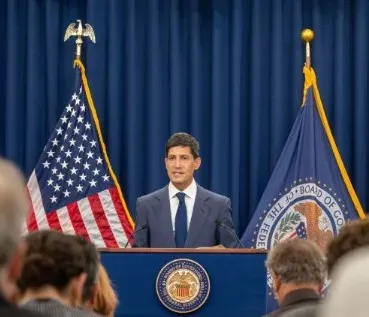
Trump argued the US, as the world's dominant economy, should pay 'the lowest interest rates anywhere in the world by far.' His remarks came after Fed Chairman Kevin Warsh signalled the central bank could consider raising rates.
Trump disputed the view that strong economic growth causes inflation, calling rate hikes in response to good data 'ridiculous.' Higher US rates could strengthen the dollar and pressure emerging-market economies, including India , through capital outflows and currency stress.
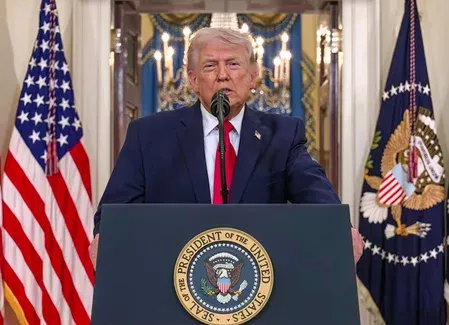
US President Donald Trump on 1 September pushed back sharply against the prospect of another interest rate increase, arguing that the strength of the American economy entitled the United States to the lowest borrowing costs in the world — not tighter monetary policy. His remarks came in response to signals from Federal Reserve Chairman Kevin Warsh that the central bank could consider raising rates.
What Trump Said
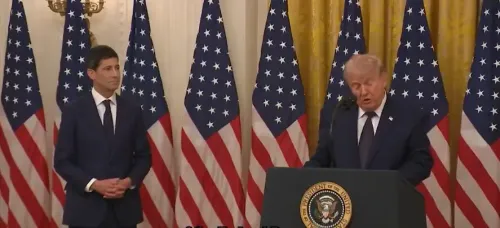
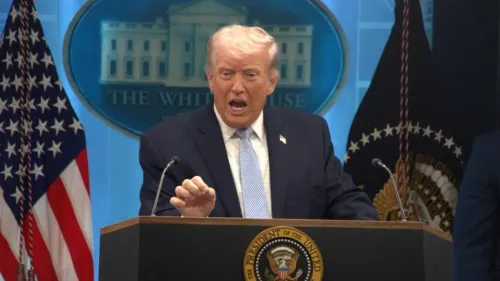
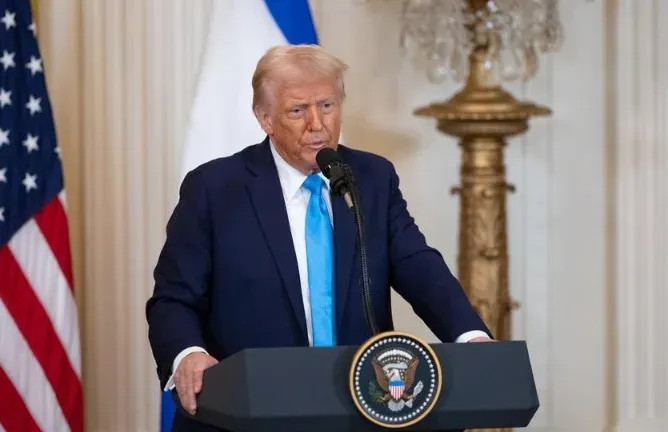
Speaking at the White House, Trump made clear he believed current US interest rates were already too high. 'I think our interest rates are too high,' he said, while noting he respected Warsh and had not spoken to him directly about the rate signal.
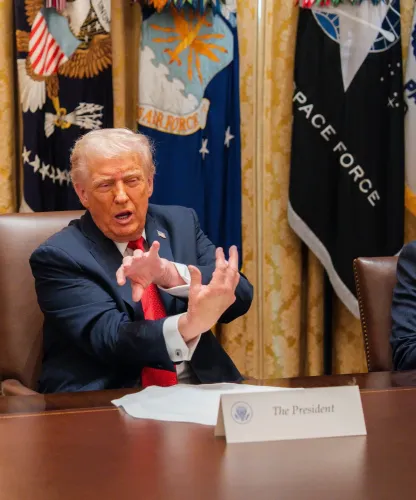
Trump framed the United States' dominant position in global trade and finance as grounds for preferential borrowing conditions. 'We're number one; we should have the lowest interest rates in the world,' he said. He further argued that countries benefiting from access to the American market had no basis to enjoy lower rates than the US itself. 'So, we should pay, in my opinion, the lowest interest rates anywhere in the world by far,' he added.
Trump's Critique of Modern Central Banking
The President contended that the Federal Reserve's approach to strong economic data had fundamentally shifted over the past quarter-century. He argued that positive economic results once supported lower rates, whereas central bankers now treat rapid growth as an inflation warning. 'In the old days, meaning you go back 25 years ago, if we announced good numbers, interest rates went down,' Trump said. 'Now, if you announce good numbers, interest rates go up because they're so afraid of inflation. But what they're doing is they're really saying you can never really step on the gas.'
Trump disputed the premise that stronger growth necessarily produces inflation. 'Success in growth does not cause inflation; inflation is caused for other reasons,' he said, adding that a stronger economy improves the creditworthiness of the US and should therefore support lower, not higher, borrowing costs. 'When we do well, we become a better credit; when you become a better credit, you're supposed to cut rates, not raise rates,' he said.
The Fed's Position and Its Independence
The Federal Reserve sets monetary policy independently of the White House. It typically raises interest rates to restrain inflation and lowers them to stimulate borrowing, investment, and employment when economic activity weakens. Chairman Warsh has reportedly signalled that the central bank could consider a rate increase in light of recent economic data — a move Trump characterised as 'ridiculous' given what he described as strong economic performance. 'Every time you do well, we just announced great numbers. And so, now they're talking about raising interest rates; it's ridiculous,' he said.
Why It Matters for Emerging Markets Including India
Changes in US interest rates carry consequences well beyond American borders. Higher rates tend to strengthen the dollar and draw capital toward US assets, putting pressure on emerging-market currencies, sovereign borrowers, and equity flows — including those in India. A rate increase by the Fed would likely tighten financial conditions globally, raising the cost of dollar-denominated debt and potentially prompting capital outflows from markets such as India. This comes amid an already cautious global monetary environment, with central banks worldwide navigating the tension between growth support and inflation control.
Point of View
He is laying political groundwork to pressure the Fed if it moves against him. The Fed's independence is legally intact, but reputationally it is under sustained assault. For India and other emerging markets, the real risk is not just a rate hike itself, but the uncertainty premium that Fed-White House friction injects into global dollar markets — a cost that falls hardest on the most dollar-exposed economies.
NationPress
16 Oct 2026
Frequently Asked Questions
Why is Trump opposing a Federal Reserve rate hike?
Trump argues that the United States' strong economic performance makes it a better credit risk and should therefore attract lower borrowing costs, not higher ones. He contends that raising rates in response to good economic data effectively punishes growth and prevents the economy from reaching its full potential.
Who is Kevin Warsh and what did he signal?
Kevin Warsh is the Chairman of the Federal Reserve, the US central bank responsible for setting monetary policy independently of the White House. He reportedly signalled that the Fed could consider raising interest rates, a prospect Trump publicly pushed back against on 1 September.
Does the US President have authority over Federal Reserve decisions?
No. The Federal Reserve sets monetary policy independently of the White House. While the President can publicly express views on interest rates, the Fed's decisions on rate changes are made by its board and are not subject to presidential approval or override.
How could a US rate hike affect India?
Higher US interest rates typically strengthen the dollar and attract global capital toward US assets, which can trigger capital outflows from emerging markets like India. This puts pressure on the Indian rupee, raises the cost of dollar-denominated debt, and can tighten domestic financial conditions.
What is Trump's view on inflation and economic growth?
Trump disputed the conventional view that rapid economic growth necessarily produces inflation. He argued that 'success in growth does not cause inflation' and that the Fed's current approach — treating strong data as an inflation risk — prevents the economy from accelerating to its full potential.