White House: 20M+ Seniors to Get $100 Medicare Relief
Synopsis
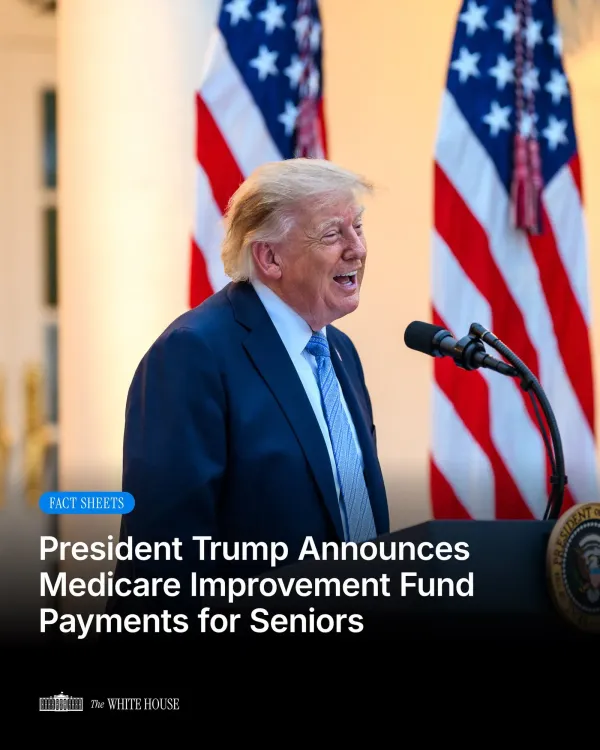
The White House has announced that over 20 million US seniors will receive a nearly $100 direct payment to help cover Medicare Part B premiums. The move marks the first-ever presidential use of the Medicare Improvement Fund to directly lower costs for beneficiaries.
Key Takeaways
20 million-plus American senior citizens are set to receive a direct payment of nearly $100 each.
The funds are drawn from the Medicare Improvement Fund , a statutory federal reserve.
The payment is designed to offset Medicare Part B premiums , which cover outpatient and physician services.
The White House says this is the first time any US president has used the Medicare Improvement Fund to directly reduce costs for beneficiaries.
The announcement was made by the White House on 3 October 2026 .
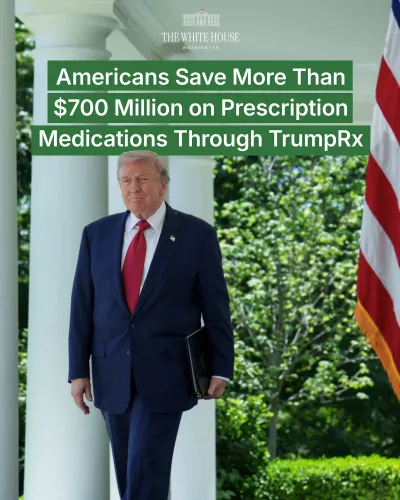
A single executive action is about to put nearly $100 back in the pockets of more than 20 million American senior citizens — and, according to the White House, it is the first time in history a sitting president has used a specific federal fund to directly cut costs for Medicare enrollees.
The Medicare Improvement Fund — tapped for the first time
The White House announced on Saturday, 3 October 2026 that President of the United States has authorised the use of the Medicare Improvement Fund to issue a direct payment of nearly $100 per beneficiary. The stated purpose: to offset the cost of Medicare Part B premiums, the monthly charge that covers outpatient care, doctor visits, and preventive services for seniors enrolled in the federal health programme.
The Medicare Improvement Fund has existed as a statutory reserve within the federal health budget, but no previous administration had deployed it as a direct cost-relief mechanism for individual beneficiaries. The White House framed the move explicitly as a presidential first — 'the first President to EVER use the Medicare Improvement Fund to directly lower costs.'
What Medicare Part B premiums mean for 20 million households
Medicare Part B is the portion of the federal health insurance programme that most seniors interact with constantly — it covers physician services, outpatient hospital care, durable medical equipment, and a range of preventive screenings. Premiums are deducted automatically from Social Security payments for most recipients, meaning any increase hits fixed-income households immediately and invisibly.
For seniors living on Social Security alone, even a modest premium hike can force real trade-offs between medication, food, and utilities. A direct payment of nearly $100 — while modest in absolute terms — effectively cancels out a meaningful portion of the annual premium burden for a population that often has little financial cushion.
Why the 'historic first' framing matters politically
The White House's decision to lead with the word 'HISTORIC' and capitalise the claim of a presidential first signals that this action is being positioned as a signature domestic achievement, not a routine administrative adjustment. Directing an existing federal fund toward individual premium relief — rather than toward programme infrastructure or provider payments — represents a structural shift in how the Medicare Improvement Fund is understood and used.
Whether Congress, health-policy experts, or future administrations treat this as a durable precedent or a one-time political gesture will determine the long-term significance of the move. What is not in dispute: 20 million-plus seniors are in line for a tangible, near-term reduction in one of their most unavoidable monthly costs.
For the world's largest democracy watching from across the Pacific, the episode is a reminder of how swiftly executive action — when aimed at a large, politically engaged constituency — can reshape the domestic narrative around healthcare affordability.
Point of View
Underlining how healthcare affordability has become the defining domestic battleground of the current political cycle. For global observers, including India's own policymakers grappling with universal health coverage costs, the episode illustrates how executive flexibility within existing statutory frameworks can deliver visible, targeted relief at scale. The durability of the precedent, however, will depend on whether Congress codifies or contests the Fund's new role.
NationPress
3 Oct 2026
Frequently Asked Questions
What is the Medicare Improvement Fund and how is it being used?
The Medicare Improvement Fund is a statutory federal reserve within the US health budget. For the first time, it is being used to issue direct payments of nearly $100 to over 20 million seniors to help cover their Medicare Part B premiums.
Who qualifies for the nearly $100 Medicare payment?
The White House announcement states that 20 million-plus senior citizens enrolled in Medicare will receive the payment, specifically to help offset their Medicare Part B premium costs.
What does Medicare Part B cover?
Medicare Part B covers outpatient care, doctor and physician visits, preventive health screenings, and durable medical equipment for enrolled seniors in the United States.
Is this the first time a US president has used the Medicare Improvement Fund this way?
Yes, according to the White House, this is the first time any sitting US president has used the Medicare Improvement Fund to directly lower costs for Medicare beneficiaries.
When was this Medicare relief action announced?
The White House announced the action on 3 October 2026 via its official communications on X.