White House Backs Call to Overhaul American Science
Synopsis
The White House on August 13, 2026, amplified an op-ed by former Deputy U.S. Chief Technology Officer Michael Kratsios in The Economist calling for a sweeping overhaul of American science policy, signalling executive-branch alignment with arguments for restructuring federal research agencies.
Key Takeaways
The White House officially promoted an op-ed by Michael Kratsios in The Economist on August 13, 2026 .
Kratsios served as Deputy U.S.
Chief Technology Officer in the first Trump administration from 2017 to 2021 .
The piece argues for overhauling American science — a debate with roots in the America COMPETES Act of 2007 .
U.S. competition with China has sharpened calls to streamline federal science agencies and prioritise applied research.
Congressional reauthorisation of NSF and DOE science programmes and potential executive orders on research security are the next pressure points to watch.
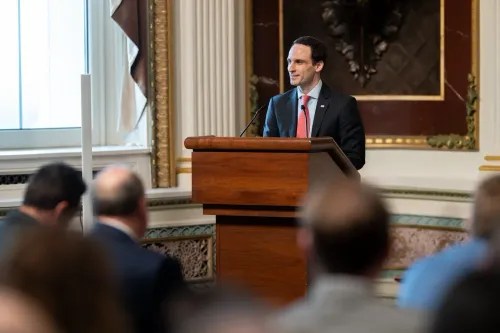
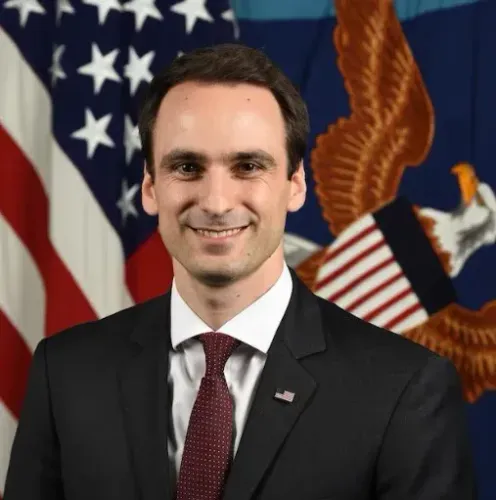
A push to reshape how the United States funds and governs scientific research is getting a boost from the highest levels of the executive branch. The White House on Thursday, August 13, 2026, amplified a piece by Michael Kratsios in The Economist, signalling that the case for overhauling American science has a receptive audience inside the administration.
Who is Michael Kratsios and why does his byline matter
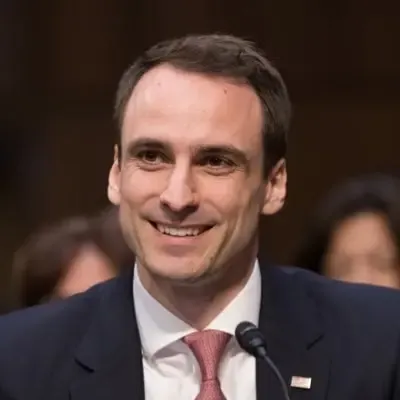
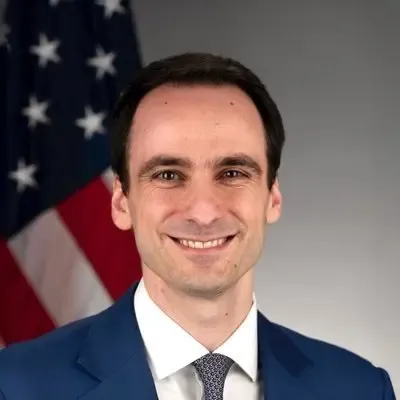
Michael Kratsios served as Deputy Assistant to the President and Deputy U.S. Chief Technology Officer during the first Trump administration from 2017 to 2021, making him one of the most senior technology-policy voices to emerge from that era. His continued presence in high-profile policy debates — now writing for a global audience — underscores how former officials from the Office of Science and Technology Policy have remained active in shaping the conversation on innovation and regulatory reform.
The White House's decision to amplify the piece is not a neutral act. Promoting an external op-ed signals alignment with its argument, even without announcing new executive action.
The long debate over U.S. science competitiveness
The argument for restructuring American science is not new. The America COMPETES Act of 2007 and its 2010 reauthorisation both aimed to increase federal investment in basic research and STEM education to keep the United States ahead in global scientific leadership. What has sharpened the debate since is the intensifying competition with China, which has driven periodic calls to streamline federal agency processes and pivot toward applied, mission-driven research.
Federal science agencies — from the National Science Foundation to Department of Energy research programmes — sit at the centre of this tension: how much should Washington fund curiosity-driven basic science versus targeted, strategically critical fields? That question is exactly the kind Kratsios has long engaged with, and it is the fault line the White House is now publicly highlighting.
What to watch next in Congress and the executive branch
The real test of whether this op-ed translates into policy will play out on Capitol Hill. Reauthorisation bills for NSF and DOE science programmes are in congressional consideration, and any executive orders touching research security or agency restructuring would give the Kratsios argument direct legislative or regulatory weight. For now, the White House has placed a marker — the question is whether the machinery of government follows.
A byline in a global policy journal, amplified by the official White House account, is how Washington signals direction before the paperwork arrives.
Point of View
Not a casual retweet — it places the executive branch on record as sympathetic to restructuring federal science before any formal policy vehicle exists. This fits a broader pattern from the Trump-era OSTP alumni network, which has consistently argued that U.S. science bureaucracy is too slow and too insulated from strategic priorities. For India, which competes for global talent and research partnerships, a shift in how Washington funds and governs science — particularly around research security — carries direct consequences for bilateral technology cooperation. The real question is whether this op-ed is the opening argument of an executive order or simply a think-piece that flatters without binding.
NationPress
14 Aug 2026
Frequently Asked Questions
What did the White House post about science on August 13 2026?
The White House shared an op-ed by former Deputy U.S. Chief Technology Officer Michael Kratsios published in The Economist, calling for a major overhaul of how the United States funds and governs scientific research.
Who is Michael Kratsios?
Michael Kratsios served as Deputy Assistant to the President and Deputy U.S. Chief Technology Officer from 2017 to 2021 during the first Trump administration, making him one of the most senior technology-policy officials of that era.
What is the America COMPETES Act and why does it matter here?
The America COMPETES Act of 2007, reauthorised in 2010, was a landmark law aimed at increasing federal investment in basic research and STEM education to maintain U.S. scientific leadership — the same competitiveness concerns that Kratsios is now revisiting.
Why would the White House promote an op-ed rather than announce a policy?
Amplifying an external piece allows the administration to signal alignment with an argument and test public and congressional reaction before committing to formal executive action or legislation.
What should India watch in U.S. science policy changes?
Any restructuring of NSF or DOE programmes, new executive orders on research security, or shifts in how the U.S. funds international scientific collaboration could affect Indian research institutions and the large number of Indian scientists working in American academia and federal labs.