AI must be demystified for all Americans, says White House official Kratsios
Synopsis
At the White House’s Presidential AI Challenge awards, science policy chief Michael Kratsios declared that AI ‘needs to be demystified’ — and pointed to over 2,500 student projects as proof it can be. Rooted in a Trump executive order from April 2025, the initiative is Washington’s clearest signal yet that AI literacy, not just AI research, is now a national priority.
Key Takeaways
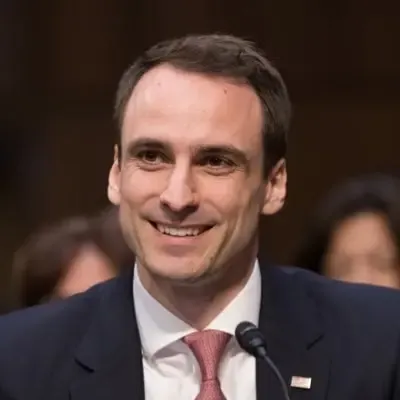
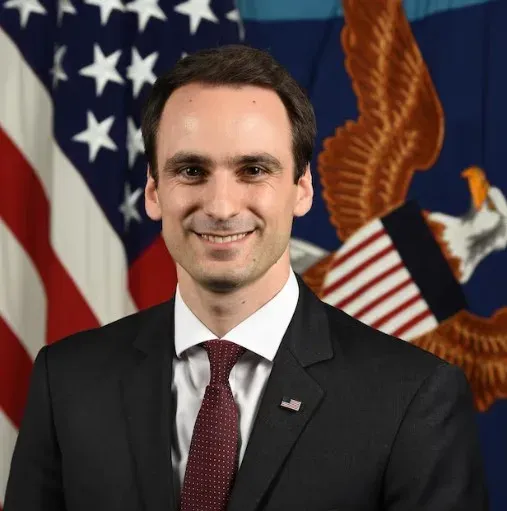
Michael Kratsios , Director of the White House Office of Science and Technology Policy, called AI a ‘magical technology’ that ‘needs to be demystified’ at the Presidential AI Challenge National Champion Awards Ceremony on 10 June .
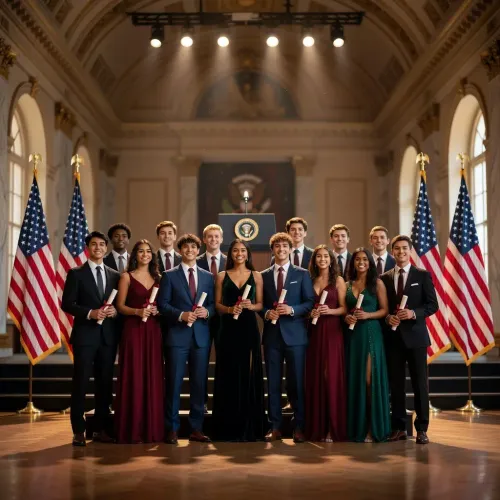
The challenge drew tens of thousands of students who submitted more than 2,500 projects addressing community problems via AI.
Projects covered education, local government efficiency, crime-fighting, and hazardous chemical safety.
The programme stems from President Donald Trump’s April 2025 executive order on AI education, which created the AI Education Task Force .
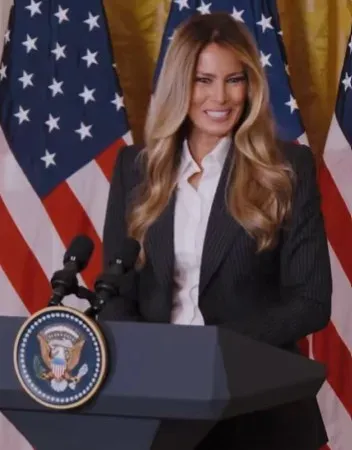
First Lady Melania Trump was credited by Kratsios for supporting the initiative.
The administration frames AI education as central to maintaining US leadership in emerging technologies.
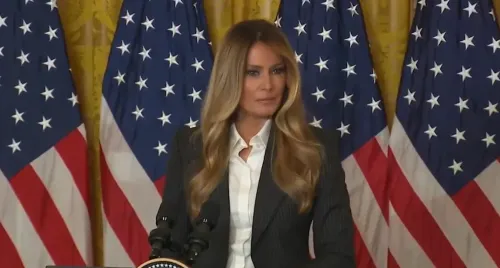
White House Office of Science and Technology Policy Director Michael Kratsios on 10 June called artificial intelligence a “magical technology” while stressing that its full potential would only be realised once it became accessible and understandable to ordinary Americans — especially young people. Speaking at the White House during the Presidential AI Challenge National Champion Awards Ceremony, Kratsios said the initiative was built to draw students from every background into hands-on engagement with AI.
What Kratsios Said
“AI is a magical technology, but it can and needs to be demystified,” Kratsios said. “This challenge has empowered every kind of young American, even the ones who aren’t focused on science and mathematics, to design incredible technological projects through the creative use of artificial intelligence.” He added that the competition’s goal was straightforward: “to bring young Americans from across the country together in using AI tools to improve the lives of their communities.”
Scale and Scope of the Challenge
Participation reportedly exceeded expectations, with tens of thousands of students submitting more than 2,500 projects aimed at solving local and national problems. The entries spanned a wide range of issues — from navigating the complexities of school and the online world, to improving local government efficiency, synthesising information for crime-fighting, and guarding communities against hazardous chemicals. “They all succeeded,” Kratsios said.
Origins: Trump’s April 2025 Executive Order
Kratsios traced the programme to President Donald Trump’s executive order on AI education signed in April 2025, which established the AI Education Task Force and formally launched the Presidential AI Challenge. He also credited First Lady Melania Trump for her support of the programme, describing it as part of a broader effort to prepare the next generation for a future shaped by advanced technologies.
Broader Policy Context
The ceremony reflects the Trump administration’s growing emphasis on AI education and workforce development as a pillar of its strategy to maintain US leadership in emerging technologies. Federal agencies, universities, and private companies have expanded programmes in parallel, aiming to equip students for an economy increasingly driven by artificial intelligence. Notably, this push comes amid intensifying global competition in AI, with China and the European Union each advancing their own national AI education frameworks.
What the Students Represent
Kratsios called the participants pioneers of a new technological era. “The projects you have developed are extraordinary, uncommonly creative applications of a novel technology,” he said. “You are taking the first steps in making these tools an integral part of everyday life, transforming our world for the better.” He linked the competition to the broader American tradition of exploration and innovation, adding: “Today we are grateful for this opportunity to celebrate the next generation of American exploration and the readiness of these young people to master the frontiers of artificial intelligence.”
With sectoral AI adoption accelerating across the US economy, the administration’s bet is that seeding AI literacy at the student level today will translate into a competitive workforce advantage in the years ahead.
Point of View
But the harder question is whether a competition with 2,500 projects translates into durable AI literacy at scale. The US has run STEM challenge programmes for decades with mixed long-term outcomes; the difference this time, the administration argues, is that AI tools are now accessible enough for non-STEM students to use meaningfully. What remains unaddressed is the equity dimension — whether students in under-resourced districts had the same access to AI tools as those in well-funded schools. A national champion ceremony at the White House is a strong optic; a credible pipeline from challenge winner to AI-capable workforce is the harder deliverable.
NationPress
20 Sept 2026
Frequently Asked Questions
What is the Presidential AI Challenge?
The Presidential AI Challenge is a national student competition launched under President Donald Trump’s April 2025 executive order on AI education. It tasks young Americans from all backgrounds with using AI tools to address real-world community problems, and is overseen by the AI Education Task Force.
Who is Michael Kratsios?
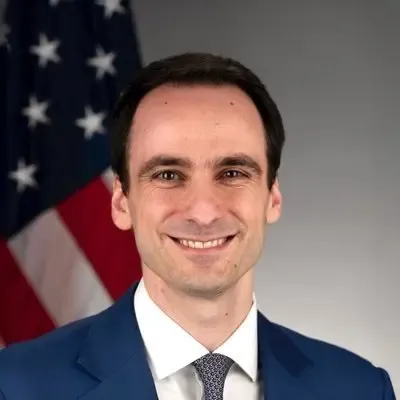
Michael Kratsios is the Director of the White House Office of Science and Technology Policy. He spoke at the Presidential AI Challenge National Champion Awards Ceremony on 10 June, where he outlined the administration’s AI education agenda.
How many students participated in the Presidential AI Challenge?
Tens of thousands of students participated, producing more than 2,500 projects focused on solving local and national challenges through artificial intelligence, according to Kratsios.
What kinds of projects did students submit?
Student projects addressed a wide range of issues including school navigation tools, local government efficiency, crime-fighting through real-world data synthesis, and community protection against hazardous chemicals.
Why is the Trump administration prioritising AI education?
The administration frames AI education and workforce development as essential to maintaining US leadership in emerging technologies, amid growing global competition in AI from countries including China and members of the European Union.