Tharoor Welcomes Direct EXIM Cargo Launch at Vizhinjam Port
Synopsis
Congress MP Dr. Shashi Tharoor has welcomed the start of direct EXIM cargo operations at Vizhinjam International Seaport from August 18, 2026 — a shift from pure transshipment that marks a new chapter for India's flagship deep-water port and its ambition to reduce dependence on foreign hubs like Colombo.
Key Takeaways
Direct EXIM cargo operations at Vizhinjam International Seaport are set to begin on August 18, 2026 , moving the port beyond transshipment-only handling.
Tharoor noted that around 60% of containers handled at Vizhinjam so far have been transshipment containers.
The port was approved in 2015 under the Sagarmala initiative as India's first dedicated international transshipment terminal.
Adani Ports and SEZ operates the port under a concession agreement with the Kerala government ; Phase 1 operations began in 2024 .
The EXIM launch is part of India's broader National Logistics Policy goal to reduce dependence on foreign transshipment hubs such as Colombo and Singapore .
A proposed rail connectivity link to the port remains pending and will be critical to its long-term competitiveness.
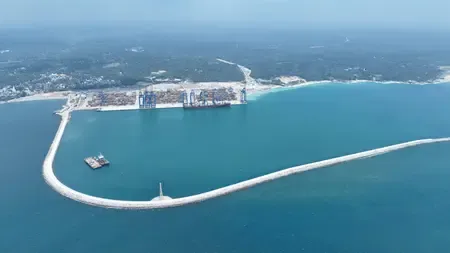
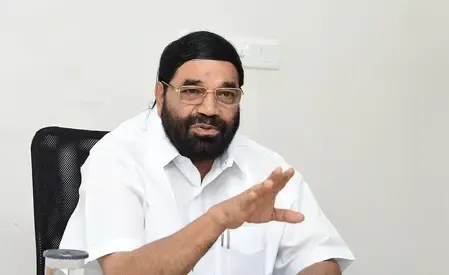
India's most-watched new port is about to cross a milestone that its backers have been waiting years for. Congress MP Dr. Shashi Tharoor on Thursday, August 13, 2026, welcomed the announcement that direct export-import cargo movement at the Vizhinjam International Seaport near Thiruvananthapuram, Kerala, will begin on August 18 — marking the port's transition from a pure transshipment terminal to a full-fledged trade gateway.
From Transshipment Hub to Full Trade Gateway
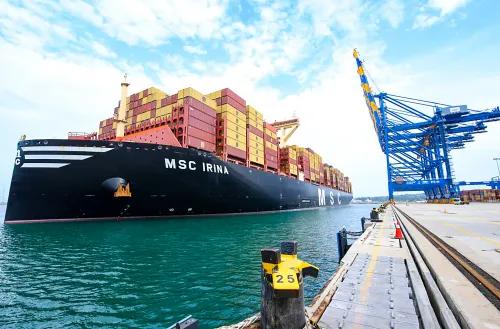
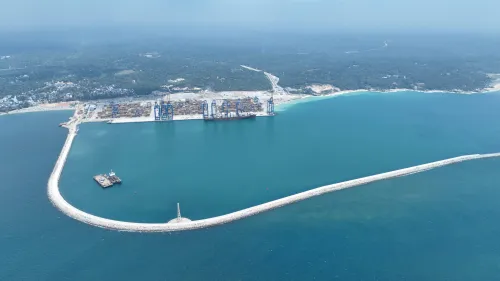
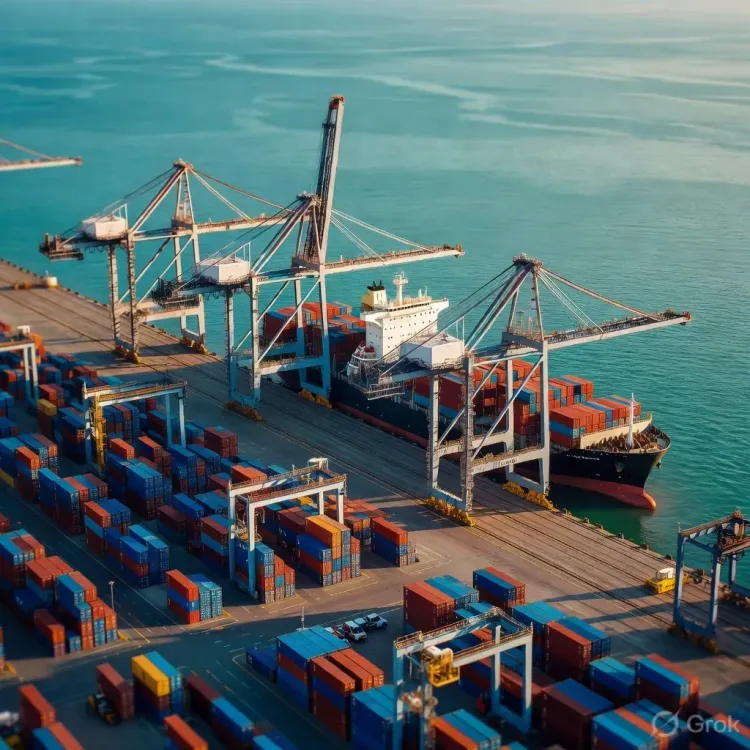
Vizhinjam International Seaport has, since the commencement of Phase 1 operations in 2024, handled only transshipment cargo — containers moving between large vessels and feeder ships, without touching Indian trade directly. According to Tharoor's post, around 60% of containers handled at the port so far have fallen into this category. The August 18 launch of direct EXIM cargo handling changes that equation fundamentally, allowing Kerala's exporters and importers to route goods through the port rather than depending on foreign hubs.
Why Vizhinjam Was Built — and Why It Matters Now
India's deep-water port ambitions have long been shadowed by an uncomfortable reality: a significant share of Indian container cargo has historically been transshipped through Colombo and Singapore, generating handling fees and logistical delays that add cost to Indian trade. Vizhinjam, developed under the Sagarmala initiative and approved in 2015 as India's first dedicated international transshipment terminal, was conceived precisely to reclaim that business. The port is operated by Adani Ports and SEZ under a concession agreement with the Kerala government, and its natural deep draft makes it one of the few Indian ports capable of berthing the world's largest container vessels without dredging.
The shift to EXIM handling is the next operational stage envisaged under the National Logistics Policy, which seeks to cut India's logistics costs — estimated at roughly 13-14% of GDP, well above the global average — by building domestic deep-water capacity and streamlining customs clearance. For Kerala's exporters — particularly in seafood, spices, and textiles — direct port access could reduce transit time and cost significantly.
Tharoor's Stake in Vizhinjam's Rise
As the sitting Congress MP from Thiruvananthapuram, Tharoor has a direct constituency interest in the port's success — Vizhinjam falls within his parliamentary segment. He has consistently commented on the project's progress, framing it as a development dividend for the region. His welcome of the EXIM launch, while not a policy intervention, signals that the port's operational milestones are being watched closely across party lines.
What Follows August 18
The numbers that matter most will emerge in the weeks after the EXIM launch: actual cargo volumes, customs clearance timelines, and whether shipping lines begin routing Indian-origin cargo through Vizhinjam at scale. Longer term, the proposed rail connectivity link to the port — still pending — will determine whether the facility can compete seriously with established regional hubs. Phase 2 expansion plans and any central government statements on infrastructure funding will be the next signposts to watch.
A port that began as a transshipment experiment is now stepping into the arena of direct trade. Whether Vizhinjam can truly pull Indian cargo home from Colombo and Singapore will be answered not by announcements, but by the manifest lists arriving on August 19.
Point of View
The gap between inaugurating infrastructure and operationalising it for real trade has been India's Achilles heel in logistics reform. Tharoor's welcome — from the constituency MP — underscores that the port carries cross-party political weight, not just commercial significance. The real policy question is whether Vizhinjam can now attract sufficient shipping line commitment to dent Colombo's dominance, which will depend as much on rail and road hinterland connectivity as on the berth itself.
NationPress
14 Aug 2026
Frequently Asked Questions
When will direct EXIM cargo operations start at Vizhinjam port?
Direct export-import cargo operations at Vizhinjam International Seaport are scheduled to begin on August 18, 2026 , according to the announcement welcomed by MP Shashi Tharoor.
What is Vizhinjam International Seaport and who operates it?
Vizhinjam International Seaport is India's first deep-water transshipment port near Thiruvananthapuram, Kerala . It is operated by Adani Ports and SEZ under a concession agreement with the Kerala government, with Phase 1 operations commencing in 2024.
Why is the shift from transshipment to EXIM cargo significant?
Until now, Vizhinjam handled only transshipment — containers moving between vessels — without directly serving Indian exporters or importers. EXIM handling means Kerala businesses can route goods through the port, reducing dependence on foreign hubs like Colombo and Singapore .
What is the Sagarmala initiative and how does Vizhinjam fit into it?
The Sagarmala initiative is a central government programme to modernise India's ports and reduce logistics costs. Vizhinjam was approved in 2015 under Sagarmala as India's first dedicated international transshipment terminal, designed to handle the world's largest container vessels.
What infrastructure is still needed for Vizhinjam to reach its full potential?
A proposed rail connectivity link to the port remains pending. Analysts and observers consider this hinterland connectivity essential for Vizhinjam to compete seriously with established regional transshipment hubs at scale.