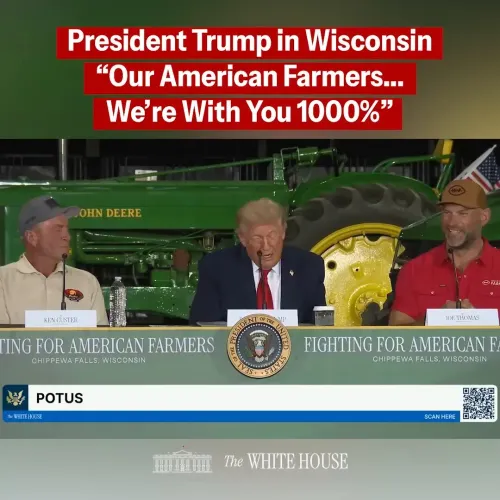
White House Backs US Farmers With Fresh Federal Push
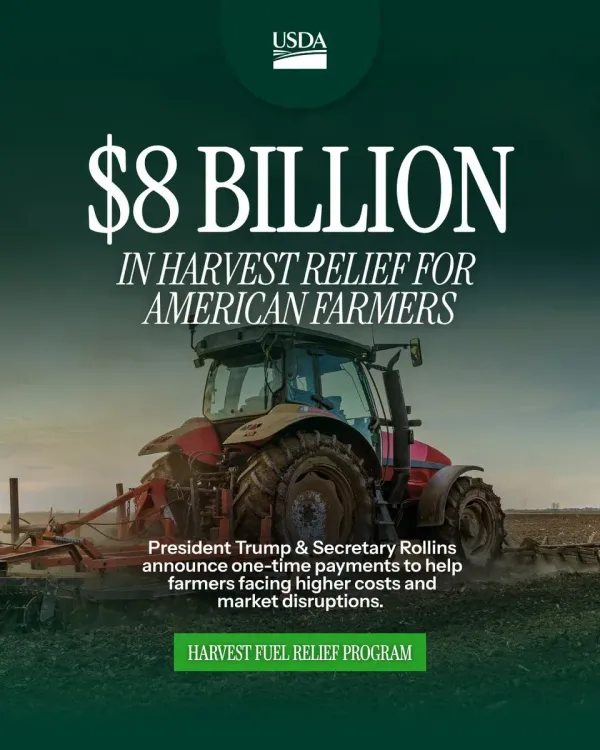
Synopsis
The White House publicly pledged federal protection for American farmers on October 20, 2026, reviving focus on stalled Farm Bill reauthorisation and USDA support programmes that shape global commodity markets.
Key Takeaways
The White House posted a direct message of support for American farmers on October 20, 2026 , marking a visible federal commitment to agricultural policy.
The Agricultural Improvement Act of 2018 (Farm Bill) expired after 2023 and has been operating on legislative extensions, leaving long-term farm support in limbo.
The USDA is the federal agency responsible for executing crop insurance, commodity price supports, disaster relief, and rural development programmes.
US farm policy shifts can directly influence global commodity prices for wheat, corn, soybeans, and cotton — markets with significant exposure in India.
Congressional action on the next full Farm Bill reauthorisation is the key trigger that would convert White House messaging into binding, funded policy.
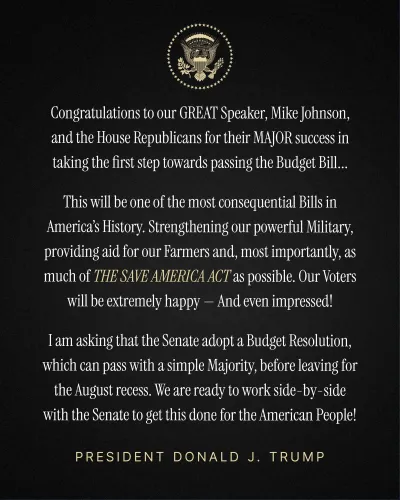
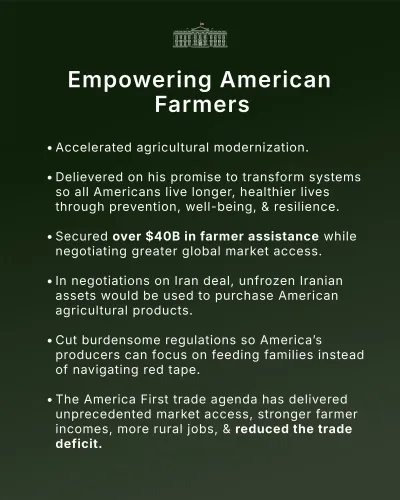
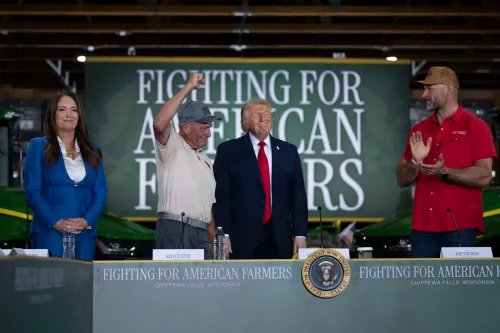
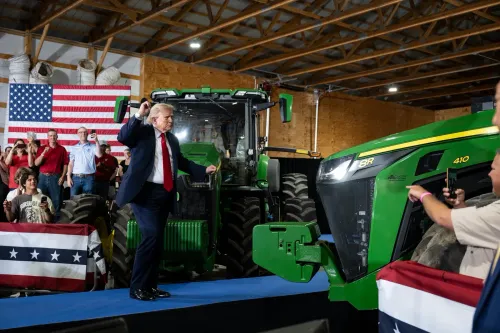
Washington has put American agriculture back in the spotlight. The White House on Tuesday, October 20, 2026, posted a direct pledge of federal protection for the country's farming community, signalling that agricultural policy remains a front-burner priority for the current administration.
A Message Rooted in Farm-Belt Politics
The post — captioned 'Protecting America's Farmers' alongside the American flag — may be brief, but its political weight is considerable. US administrations across party lines have long used official channels to publicly champion the farming sector, a constituency that punches well above its economic weight in rural states that decide national elections. Agriculture contributes hundreds of billions to US GDP annually and sustains millions of jobs beyond the farm gate, in processing, logistics, and rural services.
The Farm Bill Shadow Hanging Over Every Announcement
The timing matters. The landmark Agricultural Improvement Act of 2018 — commonly called the Farm Bill — originally authorised crop insurance, commodity price supports, nutrition programmes, and rural development funding through 2023, and has since been kept alive through legislative extensions rather than a full reauthorisation. That gap leaves farmers operating with provisional certainty at best, making every White House signal about agricultural support a closely read tea leaf on Capitol Hill. Any new USDA programme rollout, trade protection measure, or subsidy adjustment in this climate lands with amplified significance for the farming lobby.
USDA's Role and What Farmers Are Watching
The US Department of Agriculture (USDA) is the operational arm behind these commitments — from crop insurance disbursements to disaster relief and market access negotiations. For Indian observers, the stakes extend beyond America's heartland: US agricultural policy shapes global commodity prices for wheat, corn, soybeans, and cotton, markets where Indian producers and consumers both have real exposure. A shift in American subsidy levels or export posture can ripple into Indian mandi rates within months.
Whether this post presages a concrete USDA announcement, a trade action, or a legislative push on the pending Farm Bill reauthorisation remains to be confirmed. What is clear is that the executive branch has chosen this moment to plant its flag firmly in farming country — and the next congressional session will reveal whether the promise comes with a price tag attached.
Point of View
American agricultural policy is never purely domestic: USDA subsidy architecture and US trade posture on commodities have downstream consequences for Indian export competitiveness and domestic price stability in key crops.
NationPress
20 Oct 2026
Frequently Asked Questions
What did the White House post about American farmers in October 2026?
The White House posted a message on October 20, 2026, titled 'Protecting America's Farmers,' signalling federal support for the agricultural sector, accompanied by two images. The specific policy action referenced in the post had not been publicly detailed at the time of reporting.
What is the US Farm Bill and why does it matter?
The US Farm Bill is multi-year legislation that authorises agricultural subsidies, crop insurance, commodity price supports, nutrition programmes, and rural development funding. The most recent full version — the Agricultural Improvement Act of 2018 — covered programmes through 2023 and has since been extended rather than fully reauthorised, leaving farmers without long-term policy certainty.
What does the USDA do for American farmers?
The US Department of Agriculture (USDA) develops and executes federal laws related to farming, forestry, and food. It administers crop insurance, disaster relief payments, market access negotiations, and rural development grants that directly support farm incomes.
How does US farm policy affect India?
US agricultural policy influences global commodity prices for wheat, corn, soybeans, and cotton — all commodities in which India is a major producer and trader. Changes in American subsidies or export postures can affect Indian mandi prices and the competitiveness of Indian agricultural exports in international markets.
What is the status of the next US Farm Bill reauthorisation?
As of October 2026, Congress had not passed a full new Farm Bill to replace the expired 2018 legislation. The sector has been operating under temporary extensions, and lawmakers face ongoing pressure to pass a comprehensive reauthorisation that would lock in multi-year support for American agriculture.