White House Claims Full Obligation of Defense Modernization Funds
Synopsis
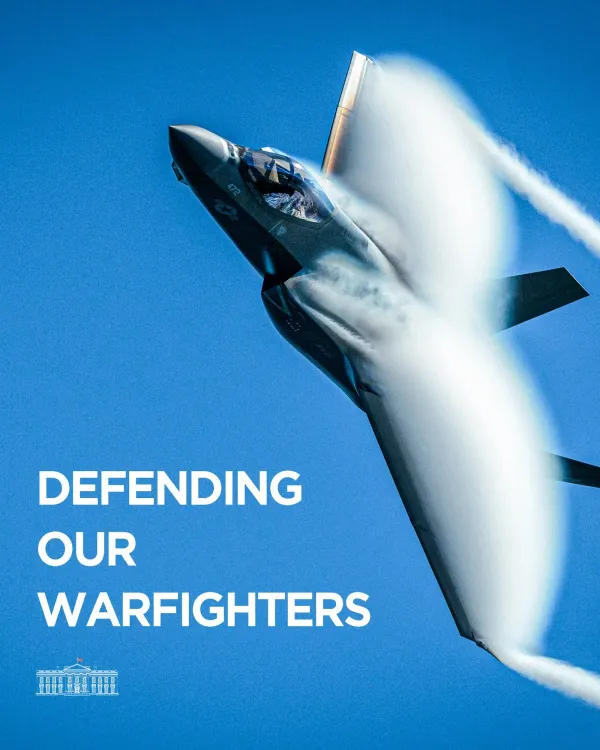
The White House announced on November 9, 2026 that nearly all defense modernization funding from the 'One Big Beautiful Bill' has been obligated, delivering higher troop pay, better housing, healthcare, advanced weapons, and modern equipment to US forces.
Key Takeaways
The White House announced on November 9, 2026 that nearly all defense modernization funding has been successfully obligated.
The funding is credited to the 'One Big Beautiful Bill' backed by President Trump and congressional Republicans.
Benefits listed include higher troop pay, improved housing, stronger healthcare and childcare, advanced weapons, and elite training.
The administration declared: 'Our warfighters now have what they need to win.' Congressional oversight of obligation rates and the fiscal year 2027 NDAA process will be the next test of these claims.
The announcement has implications for US allies, including India, monitoring American military readiness in the Indo-Pacific.
The United States military's modernization drive has reached a significant milestone, the White House declared on Monday, November 9, 2026 — announcing that nearly all defense modernization funding tied to the administration's flagship legislation has been successfully obligated, delivering upgraded pay, housing, healthcare, and advanced weaponry to American troops.
What the 'One Big Beautiful Bill' funded for US forces
The White House credited President Donald Trump and congressional Republicans, stating that the so-called 'One Big Beautiful Bill' had enabled the Department of War — the account named in the post — to obligate 'nearly all' of its defense modernization envelope. The announcement lists a sweeping range of beneficiaries: higher troop pay, improved base housing, strengthened healthcare and childcare support, advanced weapons systems, cutting-edge technology, elite training programmes, and modern equipment.
The post closed with a pointed declaration — 'Our warfighters now have what they need to win' — signalling the administration's intent to frame this as a readiness milestone ahead of any broader security debates.
Defense modernization as a recurring Republican priority
The push sits within a long arc of US defense policy. The National Defense Authorization Act, enacted annually by Congress, has for decades set pay scales, housing standards, and weapons procurement targets for the armed forces. During Trump's first term (2017–2021), successive NDAA cycles delivered budget increases aimed at rebuilding force readiness after years of sequestration-era cuts — laying the institutional groundwork for the kind of full-obligation announcement the White House is now highlighting.
The Republican Party has consistently championed higher defense appropriations, framing modernization spending as essential to competing with peer adversaries. Obligating funds — converting authorised budget authority into binding contracts and commitments — is the operational test of whether legislative promises translate into real military capability on the ground.
What analysts will watch next
The claim of 'nearly all' funding obligated will draw scrutiny from congressional oversight committees, which track obligation rates across defence accounts as a measure of execution efficiency. With fiscal year 2027 NDAA deliberations already on the horizon, the administration's ability to point to a clean obligation record strengthens its hand in requesting continued or expanded modernization budgets.
For India and other US partners watching Washington's defence posture, a fully-funded, modernizing American military carries direct implications — from interoperability standards under defence cooperation frameworks to the broader balance of power in the Indo-Pacific.
The numbers will be tested in committee hearings. But the political message is already in the air: the administration wants the military's readiness story told on its terms — and on its timeline.
Point of View
The administration is building a pre-emptive narrative ahead of the fiscal year 2027 defense debate. For US partners in the Indo-Pacific, including India, the emphasis on advanced weapons and cutting-edge technology carries real strategic weight, reinforcing Washington's posture at a moment of intensifying great-power competition. Whether the obligation figures hold up under congressional scrutiny will determine how durable this narrative proves.
NationPress
9 Nov 2026
Frequently Asked Questions
What is the 'One Big Beautiful Bill' in the US?
The 'One Big Beautiful Bill' is legislation championed by President Trump and congressional Republicans that reportedly includes a large defense modernization funding package for the US military.
What does 'obligating defense funds' mean?
Obligating funds means converting authorised budget money into binding legal commitments — contracts, orders, or agreements — ensuring the money is actually spent on its intended purpose rather than lapsing.
What benefits will US troops receive under this funding?
According to the White House, US troops will receive higher pay, better base housing, stronger healthcare and childcare support, advanced weapons systems, cutting-edge technology, elite training, and modern equipment.
Why does US military spending matter for India?
A modernizing and well-funded US military directly affects the Indo-Pacific security balance, impacting India's defence partnerships, interoperability standards, and the broader strategic environment in the region.
What is the National Defense Authorization Act?
The National Defense Authorization Act (NDAA) is an annual US law that sets defense policy, authorizes spending levels, and covers troop pay, housing, weapons procurement, and military readiness programmes.