White House Backs Trump Economy, Calls Out Media Bias
Synopsis
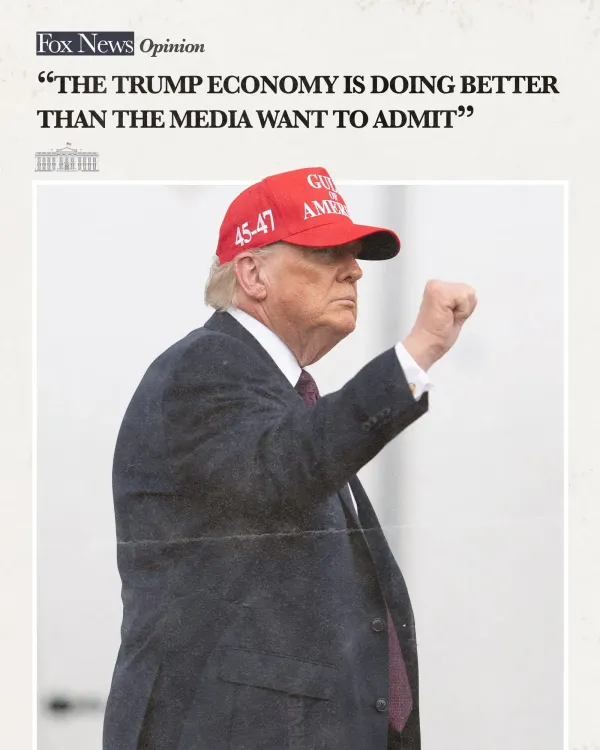
The White House on 22 July 2026 shared a post on X quoting a Fox News claim that the Trump economy is performing better than mainstream media acknowledges, escalating the administration's ongoing battle over economic narrative and media framing.
Key Takeaways
The White House posted on 22 July 2026 amplifying a Fox News claim about the strength of the Trump economy.
The post directly accuses mainstream media of underreporting positive economic performance under President Trump .
The Tax Cuts and Jobs Act of 2017 cut the corporate tax rate from 35% to 21% , a cornerstone of Trump's economic record.
US presidents have long used media amplification and social platforms to shape economic narratives against critical coverage.
Upcoming federal data releases — jobs reports , GDP , and inflation figures — will serve as independent benchmarks.
The US economic outlook has direct implications for India , affecting trade, remittances, and bilateral investment flows.
The White House, the official communications account of the Executive Office of the President of the United States, on Wednesday, 22 July 2026, shared a pointed message on X amplifying a claim that the Trump administration's economic performance is being underreported by mainstream media.
The post quoted a statement — 'The Trump economy is doing better than the media want to admit' — attributed to Fox News, signalling the administration's intent to push back against what it characterises as unfavourable coverage of its economic record.
Context
The White House's post is a direct engagement in the long-running battle between the Trump administration and large sections of the American press over how economic data is framed and communicated to the public. By amplifying a Fox News reference, the administration is leaning on a media outlet whose editorial stance has historically aligned with Republican economic messaging.
US presidents across administrations have routinely used social media to contest economic narratives, citing jobs numbers, GDP growth, and inflation figures to counter critical reporting. The tactic of calling out perceived media bias while highlighting favourable indicators has become a standard feature of modern White House communications.
Policy Backdrop
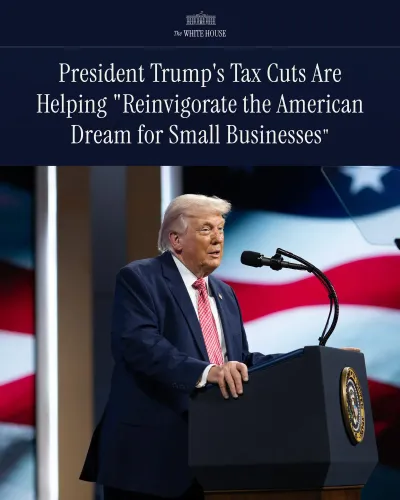
The Trump administration's economic framework has been anchored in tax cuts, deregulation, and renegotiated trade agreements. The landmark Tax Cuts and Jobs Act of 2017 slashed the corporate tax rate from 35% to 21%, with the stated aim of spurring domestic investment and job creation.
Proponents argue these measures laid the foundation for sustained growth, while critics have pointed to concerns over the federal deficit and income inequality. The debate over which indicators best capture the health of an economy — stock market performance, wage growth, unemployment rates, or inflation — remains deeply contested along partisan lines.
Stakeholders and Impact
American workers and business owners are the primary stakeholders in any assessment of the Trump economy. For workers, real wage growth and employment levels are the most tangible measures; for business owners, corporate tax rates, regulatory burdens, and access to credit are central concerns.
From an Indian perspective, the trajectory of the US economy carries significant weight. India's export sector, its large diaspora sending remittances home, and bilateral trade flows are all sensitive to American economic conditions and the policy signals emanating from Washington DC.
What's Next
Independent benchmarks will be critical in adjudicating the competing claims around the Trump economy. Upcoming releases of monthly jobs reports, GDP figures, and inflation data from federal statistical agencies will provide verifiable data points beyond the media narrative war.
Whether the White House's social media push translates into a broader public perception shift will depend on how those numbers land — and how both supportive and critical outlets choose to frame them.
Point of View
The more consequential signals will come from independent statistical releases rather than the media skirmish. The pattern also underscores how economic governance in the social-media era is as much about narrative control as it is about policy outcomes.
NationPress
20 Oct 2026
Frequently Asked Questions
What did the White House post about the Trump economy?
The White House on 22 July 2026 shared a post on X quoting a Fox News claim that 'The Trump economy is doing better than the media want to admit,' pushing back against what it sees as unfavourable mainstream media coverage.
How has the Trump administration shaped its economic record?
The Trump administration's economic agenda has centred on the Tax Cuts and Jobs Act of 2017 , which cut the corporate tax rate from 35% to 21% , alongside deregulation and renegotiated trade deals aimed at boosting domestic growth.
Why does the US economy matter for India?
The US is one of India's largest trading partners and a major destination for the Indian diaspora. Shifts in American economic conditions affect Indian exports, remittance flows, and bilateral investment, making White House economic signals closely watched in India.
What independent data will clarify the state of the Trump economy?
Monthly jobs reports , quarterly GDP figures , and inflation data published by US federal statistical agencies are the primary independent benchmarks for evaluating any administration's economic performance claims.
Is the White House's media criticism of economic coverage new?
No. US presidents across administrations have routinely used social media and press briefings to contest how economic data is framed, and amplifying friendly media coverage to counter critical reporting is a well-established White House communications tactic.