White House Hosts Lebanon's President for Oval Office Peace Talks

Synopsis
The White House announced a historic Oval Office meeting with Lebanon's President on 22 July 2026, framing the bilateral engagement around a shared vision for peace. The encounter reflects longstanding US diplomatic investment in Lebanese sovereignty and regional stability in the Levant.
Key Takeaways
The White House announced a historic Oval Office meeting with Lebanon's President on 22 July 2026 .
The meeting was framed around 'a vision for peace,' signalling high diplomatic priority for the bilateral relationship.
US engagement with Lebanon has historically centred on supporting the central government, implementing UN Security Council Resolution 1701 (2006) , and promoting governance reform under the Taif Agreement (1989) .
Lebanese citizens and regional diplomats across the Middle East are the primary stakeholders watching for concrete outcomes.
Follow-up diplomatic statements and potential congressional action on aid to Beirut are the next indicators to watch.
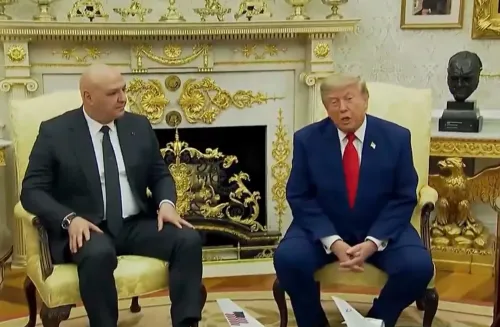
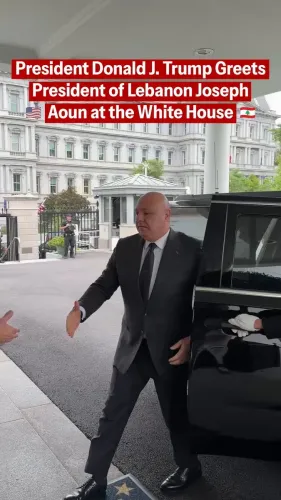
The White House announced a historic meeting in the Oval Office between United States leadership and Lebanon's President on 22 July 2026, describing the engagement as centred on a shared vision for peace between the two nations.
Context
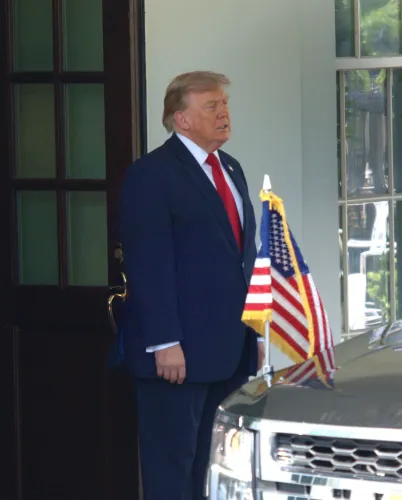
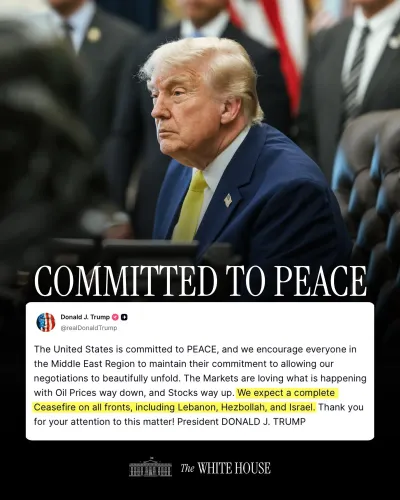
The White House described the encounter as 'a historic meeting in the Oval Office with Lebanon's President and the vision for peace,' signalling that the bilateral engagement carries symbolic as well as diplomatic weight. Oval Office meetings are reserved for high-level diplomatic exchanges and serve as a formal signal of the importance the United States places on a bilateral relationship. The pairing of the American and Lebanese flags in the official communication underscored the ceremonial gravity of the occasion.
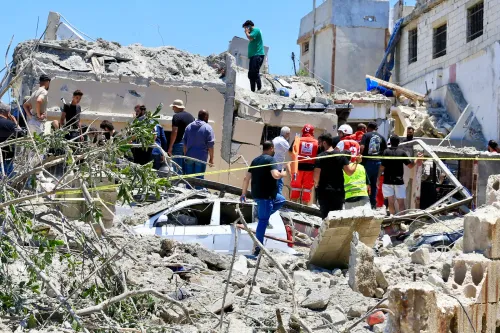
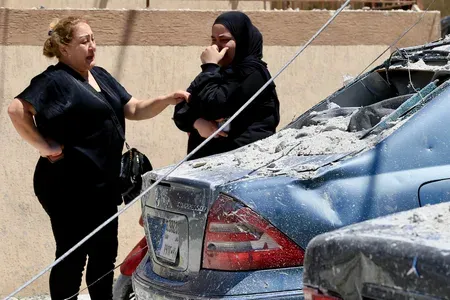
Lebanon has endured prolonged political instability, a severe economic crisis, and recurring cycles of conflict involving non-state actors operating within its borders. A presidential visit to Washington and an Oval Office audience represent a significant diplomatic moment for Beirut at a time when the country is seeking international support for reconstruction and governance reform.
Policy Backdrop
US engagement with Lebanon has deep historical roots. UN Security Council Resolution 1701, adopted in 2006, called for a ceasefire between Israel and Hezbollah and reaffirmed Lebanese sovereignty, with sustained US backing for its implementation. Earlier, the Taif Agreement of 1989 ended Lebanon's civil war and outlined political reforms that subsequent American administrations worked diplomatically to support.
Over the decades, Washington has provided economic and security assistance to Beirut's central government as part of a broader strategy to strengthen Lebanese state institutions against external interference. Oval Office meetings with Lebanese leaders have occurred periodically to discuss security cooperation, aid packages, and regional peace initiatives, placing this encounter within a recognisable pattern of Levant diplomacy.
Stakeholders and Impact
Lebanese citizens stand as the primary stakeholders in any peace framework that emerges from Washington's engagement with their government, particularly given the country's acute economic hardships and the need for international investment and stability. Regional diplomats across the Middle East will also be watching closely, as any US-backed peace framework involving Lebanon carries implications for the broader Levant security architecture.
Congressional attitudes toward foreign assistance will shape the practical outcomes of the meeting. Historically, follow-up diplomatic statements and potential aid commitments have followed such high-profile bilateral encounters, and lawmakers on both sides of the aisle hold influence over any new assistance packages directed toward Beirut.
What's Next
Observers will look for formal joint statements or readouts from the White House detailing the specific elements of the 'vision for peace' referenced in the announcement. Congressional action on aid to Lebanon and follow-up diplomatic engagement — potentially through multilateral forums or envoy-level talks — will be the key indicators of whether this Oval Office meeting translates into concrete policy momentum. The meeting sets a tone; the weeks ahead will determine its substance.
Point of View
The symbolism of an Oval Office audience matters domestically, offering the government a credibility boost at a time of acute political and economic stress. Whether the meeting produces lasting policy movement will depend on congressional appetite for renewed engagement and the durability of the diplomatic framework both sides choose to articulate publicly.
NationPress
22 Jul 2026
Frequently Asked Questions
Why did Lebanon's President visit the White House in 2026?
Lebanon's President visited the White House on 22 July 2026 for a bilateral Oval Office meeting focused on a shared vision for peace, reflecting longstanding US interest in supporting Lebanese sovereignty and regional stability.
What is the significance of an Oval Office meeting for Lebanon?
An Oval Office meeting is the highest-profile diplomatic setting the United States can offer a foreign leader, signalling that Washington considers the bilateral relationship a priority. For Lebanon , it carries domestic and regional credibility.
What is the US policy history with Lebanon?
The US has supported Lebanon through UN Security Council Resolution 1701 (2006) , which backed Lebanese sovereignty after the Israel-Hezbollah conflict, and has historically provided economic and security assistance to strengthen Beirut 's central government.
What could come out of the US-Lebanon Oval Office talks?
Analysts expect follow-up diplomatic statements, potential joint communiques on a 'vision for peace,' and possible congressional action on aid packages to Lebanon as concrete next steps from the meeting.
How does this meeting fit into broader US Middle East diplomacy?
The meeting fits a recurring pattern of US bilateral diplomacy in the Levant , where Washington engages Lebanese leaders on governance, security cooperation, and conflict resolution as part of a wider regional stability strategy.