White House Urges Public to 'Trust in Trump' in Viral Post
Synopsis
The White House posted a brief, shareable message on X on 24 May 2026 urging followers to send it to anyone who needs to 'Trust in Trump.' The post reflects the administration's long-standing strategy of using direct, viral social media content to build public confidence in presidential leadership.
Key Takeaways
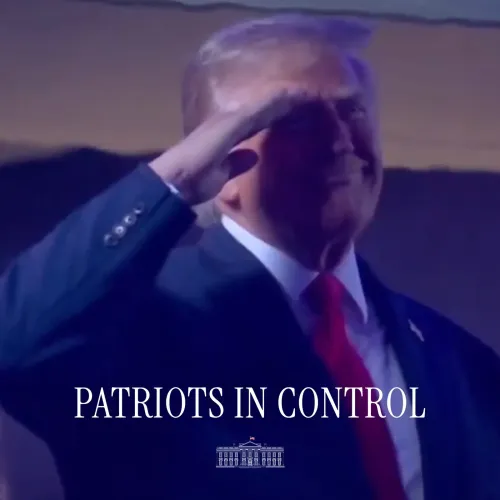
The White House official X account posted a shareable message on 24 May 2026 urging followers to spread the call to 'Trust in Trump.' The post was accompanied by 1 image and was framed as peer-to-peer motivational content.
This communications style — short, punchy, and designed for viral sharing — has been a defining feature of Trump-era White House digital strategy since 2017 .
The strategy prioritises direct public engagement, encouraging supporters to act as grassroots amplifiers of official messaging.
Subsequent White House posts on policy outcomes in the coming weeks will clarify whether this is part of a broader communications push.
The White House, the official communications account of the Executive Office of the President of the United States, posted a shareable message on X on Saturday, 24 May 2026, urging followers to send the post to anyone who needs to 'Trust in Trump.' The brief, direct message was accompanied by one image and was framed as a call to spread confidence in presidential leadership.
Context
The post reads: 'Send this to someone who needs to TRUST IN TRUMP.' The all-caps emphasis on the phrase signals an intentional, motivational tone — a hallmark of the communications style associated with President Donald J. Trump and the official accounts that support his administration. The White House account has historically used short, shareable content to build direct public engagement outside traditional media channels.
This style of messaging — brief, punchy, and designed for viral sharing — has been a defining feature of Trump-era White House communications since his first term began in 2017. The strategy prioritises peer-to-peer amplification, encouraging supporters to become active distributors of official messaging.
Policy Backdrop
White House social media strategy under Trump has consistently leaned on themes of personal trust, loyalty, and confidence in executive leadership. During the 2017–2021 term, the administration significantly expanded its use of platforms like X (then Twitter) to reach audiences directly, bypassing conventional editorial filters.
This approach was rooted in the 2016 presidential campaign, which made direct-to-voter digital communication a central pillar of its outreach. The use of shareable, emotionally resonant posts to reinforce the president's image among supporters has continued as a consistent thread in White House digital strategy.
Stakeholders and Impact
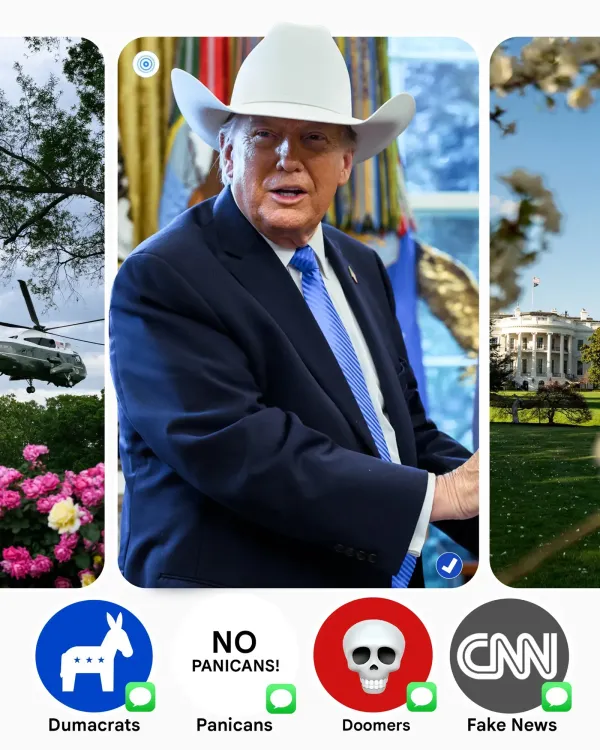
The primary audience for such posts is Trump's existing supporter base, who are encouraged to share the message within their own networks, effectively acting as grassroots amplifiers of the administration's narrative. The image attached to the post — the nature of which has not been independently described — likely reinforces the motivational framing of the text.
For the broader public and political observers, the post reflects an administration that views public confidence as a resource to be actively cultivated through social media. Critics of this approach argue it prioritises loyalty signalling over substantive policy communication, while supporters see it as refreshingly direct engagement from the highest office.
What's Next
Observers will watch whether this post is part of a wider communications push tied to specific policy announcements or political developments in the coming weeks. The White House's subsequent posts on governance outcomes, legislative progress, or executive actions will provide clearer signals about the strategic context behind this messaging. As the administration continues to use X as a primary communications channel, such posts are likely to remain a regular feature of its public outreach playbook.
Point of View
Loyalty-driven communication over policy-dense messaging. It signals that the executive communications apparatus continues to treat social media virality as a political asset in its own right — separate from any specific policy agenda. For Indian observers tracking US political communication trends, this reflects a broader global shift toward leaders who cultivate parasocial trust with their base through direct digital channels. The post's timing and context will matter: if it precedes a major policy announcement, it may serve as a priming mechanism for public reception.
NationPress
9 Oct 2026
Frequently Asked Questions
Why did the White House post 'Trust in Trump' on X?
The White House posted 'Trust in Trump' as a shareable, motivational message designed to reinforce public confidence in President Trump's leadership. This style of direct, viral social media communication has been a consistent feature of the Trump administration's outreach strategy since 2017.
What is the White House X account?
The White House X account is the official social media presence of the Executive Office of the President of the United States. It is used to share official statements, policy updates, and communications directly with the public.
How does Trump use social media for political communication?
President Trump and the White House accounts under his administration have consistently used short, shareable social media posts to build direct public engagement. This approach, which began during his 2016 campaign, prioritises peer-to-peer amplification and bypasses traditional media intermediaries.
What does 'Trust in Trump' mean politically?
'Trust in Trump' is a rallying phrase that calls on supporters to express and spread confidence in President Trump's leadership. It is part of a broader communications strategy that frames personal loyalty to the president as a political and civic virtue.
What impact do White House viral posts have?
White House viral posts are designed to mobilise existing supporters as grassroots communicators, expanding the reach of official messaging without paid advertising. Critics argue this prioritises loyalty signalling, while supporters see it as direct, unfiltered communication from the presidency.