White House Touts 'Weekly Wins' in Recurring Trump Era Post
Synopsis
The White House posted its recurring 'Weekly Wins' update on November 16, 2026, pledging that the Trump Administration will never stop fighting for the American people — a direct-to-public communications format the administration has used consistently to project executive momentum.
Key Takeaways
The White House posted a 'Weekly Wins' update on Monday, November 16, 2026 .
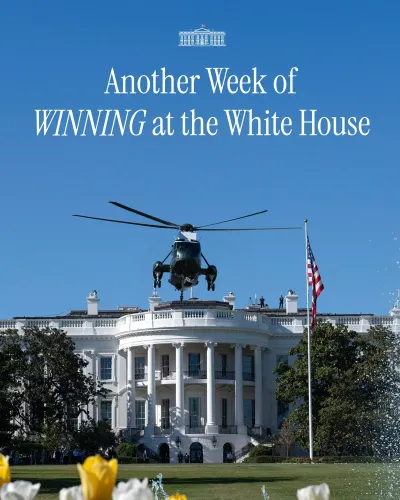
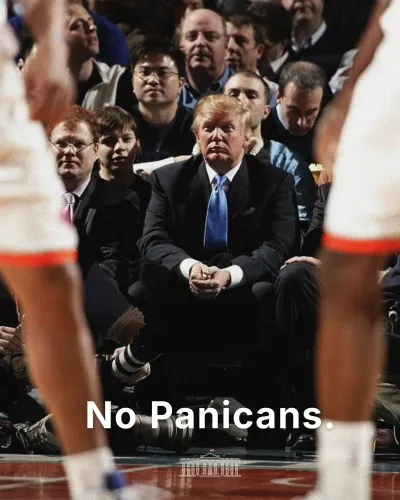
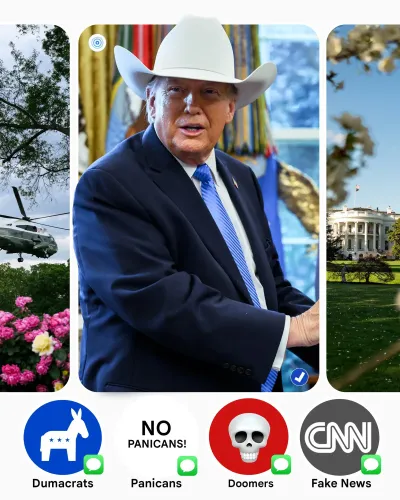
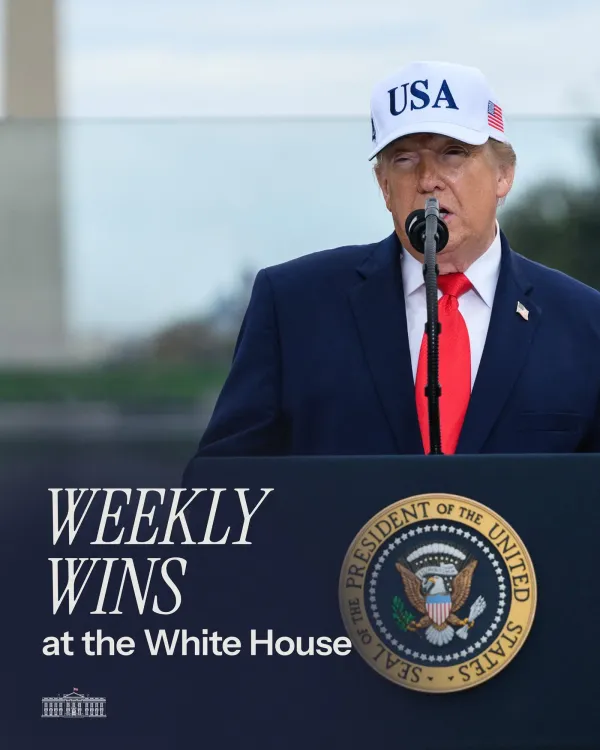
The post declared the Trump Administration will 'NEVER stop fighting for the American people.' Three images accompanied the post; no specific policy wins were named in the public text.
The 'Weekly Wins' format is a recurring Trump-era communications strategy used since the first term ( 2017–2021 ).
The format bypasses traditional press channels, delivering executive messaging directly to followers on X .
The White House kept its recurring digital drumbeat alive on Monday, November 16, 2026, posting its latest 'Weekly Wins' update — a format the Trump administration has used to signal continuous executive activity directly to the American public. The post carried a simple, declarative promise: the Trump Administration will 'NEVER stop fighting for the American people.'
A Social-Media Ritual With a Political Purpose
The 'Weekly Wins' format is not new — it is a deliberate, recurring communications strategy. Presidential administrations have long used structured social-media cycles to project momentum, demonstrate responsiveness, and keep their base energised between major legislative or policy events. The Trump White House leaned heavily into this format during its first term (2017–2021), and the pattern has continued as a fixture of its executive communications playbook.
Three images accompanied the post, though no specific policy actions or legislative milestones are named in the public text. The message functions as a standing affirmation — a weekly signal to supporters that the administration considers itself active and delivering.
Direct-to-Public Messaging as Governing Strategy
What makes this format significant is what it reflects about modern American executive politics. Rather than routing accomplishments through traditional press channels, the White House communicates wins — framed, sequenced, and branded — straight to millions of followers on X. It collapses the distance between governing and campaigning, treating every week as a potential news cycle to own.
The combative pledge — 'NEVER stop fighting' — is a linguistic signature of the Trump political style: forward-leaning, adversarial in framing, and aimed squarely at an audience that responds to persistence over polish.
Whether specific policy wins from this week are detailed in follow-up posts remains to be watched — but the rhythm itself is the message. The White House is telling its audience: we are here, we are moving, and we are not done.
Point of View
Which itself becomes a political asset. For supporters, the cadence signals reliability; for critics, it signals the blurring of executive governance and permanent campaigning. The absence of specific policy detail in this particular post underscores that the format's primary function is emotional and tonal — not informational.
NationPress
16 Nov 2026
Frequently Asked Questions
What is the White House 'Weekly Wins' post?
'Weekly Wins' is a recurring social-media format used by the Trump White House to highlight administration activity and policy priorities directly to the public on X, without routing messaging through traditional press channels.
What did the White House post on November 16, 2026?
The White House posted a 'Weekly Wins' update on November 16, 2026, declaring that the Trump Administration will 'NEVER stop fighting for the American people,' accompanied by three images.
Does the Trump administration post weekly updates regularly?
Yes. The Trump White House used a 'Weekly Wins' or similar recurring format during its first term (2017–2021) and has continued the practice as a standard part of its executive communications strategy.
Why does the White House post 'Weekly Wins' on social media?
The format is designed to project continuous executive momentum, keep supporters engaged, and frame the administration's work in its own terms — bypassing traditional media to communicate directly with the public.
What specific policy wins were announced in this post?
The public text of the post did not name specific policy actions or legislative milestones; the message was a broader standing pledge of commitment to the American people.