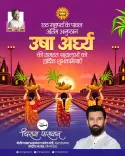
CM Rekha Gupta Hails Delhi's Grand Chhath Mahaparv
Synopsis
Delhi CM Rekha Gupta marked Chhath Mahaparv 2026 by calling it the most divine and grand celebration in the capital in decades, with millions of devotees worshipping at nearly 1,400 ghats — framing Delhi as 'Mini India' united in Sanatan faith.
Key Takeaways
Delhi CM Rekha Gupta posted on 16 November 2026 marking Chhath Mahaparv, describing the festival's scale as unprecedented in decades.
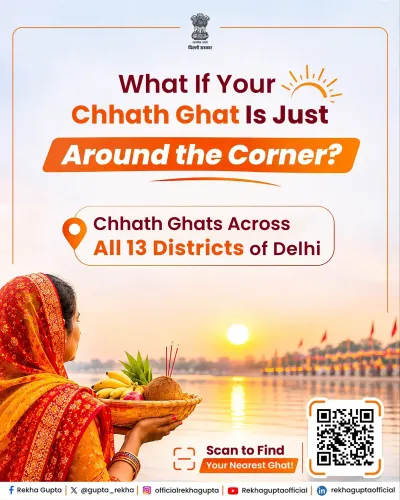
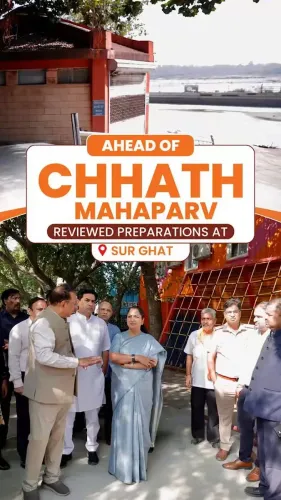
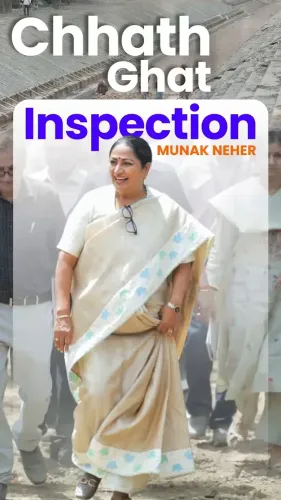
Celebrations spanned the Yamuna riverfront and approximately 1,400 Chhath ghats across the capital.
Gupta called Delhi 'Mini India,' noting that people from Bihar and eastern UP have made Chhath one of the city's most mass-participation festivals.
She described the festival as a living expression of Sanatan culture and blessed all Chhathvratis with the fulfilment of their prayers.
Chhath Mahaparv involves a rigorous 36-hour fast and sunrise-sunset rituals offering prayers to Surya Dev and Chhathi Maiya .
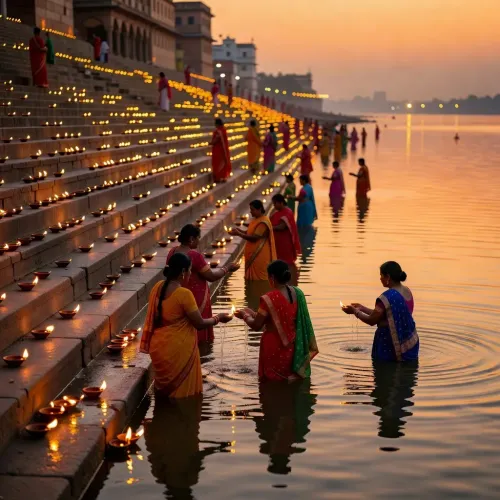
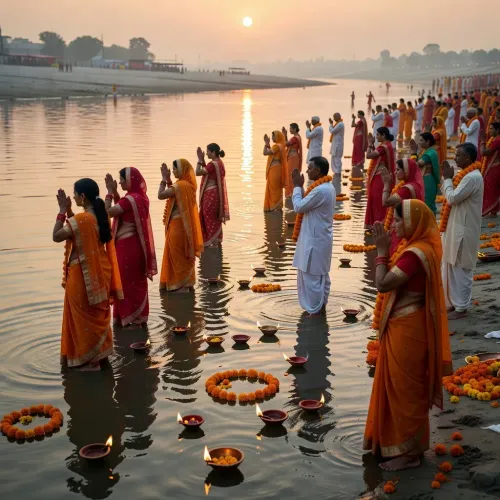
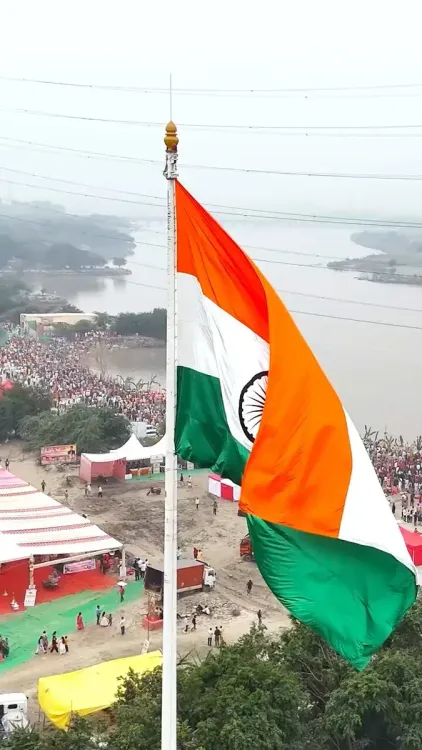
Millions of devotees lined the banks of the Yamuna and fanned out across nearly 1,400 ghats across Delhi as the capital transformed into a vast altar of faith for Chhath Mahaparv 2026 — and Delhi Chief Minister Rekha Gupta marked the occasion with a sweeping tribute to the festival's scale and spiritual depth.
Posting on Monday, 16 November 2026, Gupta described the celebrations as a sight unseen in the capital for decades — 'दशकों बाद दिल्ली में छठ महापर्व का ऐसा अलौकिक, अद्भुत और दिव्य-भव्य स्वरूप' ('after decades, Chhath Mahaparv in Delhi has taken on such a divine, wondrous, and magnificent form'). From the sacred banks of the Yamuna to the city's most distant ghats, the air rang with Chhath devotional songs as worshippers offered arghya — ritual offerings — to the rising and setting sun.
Delhi as 'Mini India': The City's Migrant Soul on Display
Delhi is home to one of India's largest concentrations of migrants from Bihar and eastern Uttar Pradesh, and Chhath — the festival most intimately associated with those communities — has grown into one of the capital's most visibly mass-participation events. Gupta leaned into that identity directly, writing: 'दिल्ली सचमुच Mini India है' — 'Delhi truly is Mini India' — adding that every festival here is celebrated with a wholeness of belonging.
That framing carries real weight. The Yamuna riverfront has historically been the emotional centrepiece of Delhi's Chhath — devotees wade into the river at dawn and dusk to offer prayers to Surya Dev (the Sun God) and seek the blessings of Chhathi Maiya. The ritual demands clean, accessible water, and successive Delhi administrations have faced recurring pressure over ghat infrastructure and the river's condition.
A Festival of Vows, Sun, and Sanatan Culture
Chhath Mahaparv is among Hinduism's most demanding festivals — observers maintain a strict fast, often without water, for 36 hours, standing in rivers at sunrise and sunset to present offerings. Gupta described this year's celebrations as a living expression of 'हमारी सनातन संस्कृति का विराट और सुंदर स्वरूप' — 'the grand and beautiful form of our Sanatan culture.' She closed her post with a blessing: may every Chhathvrati (a person observing the Chhath fast) see their prayers answered, and may every family find happiness, good health, and prosperity through the grace of Chhathi Maiya and Surya Dev.
The sheer geography of this year's festival — with celebrations stretching from the Yamuna's banks to ghats spread across every corner of the capital — speaks to how deeply the observance has embedded itself into Delhi's civic calendar. What began as a community festival carried by migrants has become, by any measure, the city's own.
Point of View
CM Rekha Gupta aligns the BJP's cultural politics with the capital's large Bihar and eastern UP diaspora — a demographic that has historically been central to Chhath's growing civic prominence. The emphasis on the Yamuna's 'sacred banks' also quietly signals a contrast with previous administrations' record on river cleanliness, a persistent political flashpoint in Delhi. For the BJP, governing Delhi since early 2025, maximising the visible grandeur of such festivals serves both a cultural and an electoral consolidation purpose. The 'Mini India' framing, however, is notably inclusive rather than exclusionary — a rhetorical choice that broadens appeal beyond the core base.
NationPress
16 Nov 2026
Frequently Asked Questions
What did Delhi CM Rekha Gupta say about Chhath Mahaparv 2026?
CM Rekha Gupta described Chhath Mahaparv 2026 as the most divine and magnificent celebration seen in Delhi in decades, praising the devotion of millions of worshippers at nearly 1,400 ghats and calling Delhi 'Mini India' for its inclusive spirit.
How many Chhath ghats are there in Delhi in 2026?
According to CM Rekha Gupta's post, Chhath Mahaparv 2026 was observed at approximately 1,400 ghats across Delhi, including the banks of the Yamuna river.
Why is Chhath Puja so widely celebrated in Delhi?
Delhi has a large migrant population from Bihar and eastern Uttar Pradesh, the communities for whom Chhath is the most important festival. Over decades, their presence has made Chhath one of the capital's biggest public celebrations.
What is Chhath Mahaparv and who is it dedicated to?
Chhath Mahaparv is a Hindu festival dedicated to Surya Dev (the Sun God) and Chhathi Maiya. Devotees observe a strict 36-hour fast and offer ritual prayers at sunrise and sunset, standing in water at riverbanks or ghats.
What is the significance of the Yamuna river in Delhi's Chhath celebrations?
The Yamuna riverfront is the emotional and spiritual centrepiece of Delhi's Chhath — devotees gather on its banks at dawn and dusk to offer arghya (ritual offerings) to the sun, making ghat access and river conditions a civic priority every year.