White House Signals Education Reset for 2026-27 School Year
Synopsis
As the 2026-27 school year opens, the White House reaffirmed the Trump Administration's education doctrine — redirecting federal policy toward measurable student outcomes and career preparation, continuing a philosophy established in the first Trump term.
Key Takeaways
The White House posted on August 25, 2026 , framing the new school year around the Trump Administration's student-outcomes-first education philosophy.
The administration's stated goal is steering education 'back to its rightful focus' — language signalling a deliberate course correction from prior federal education priorities.
This messaging continues a pattern established during the first Trump term (2017-2021) , which advanced school choice and workforce-aligned training.
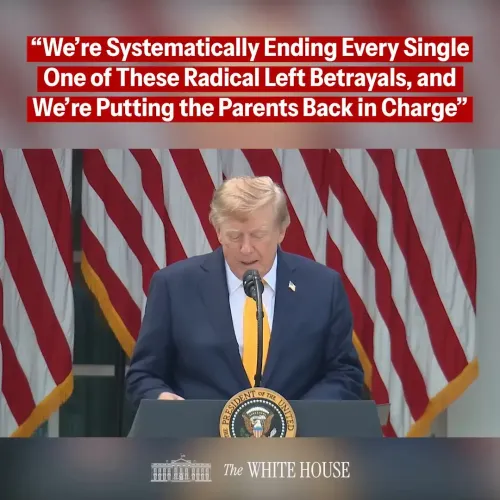
American parents are positioned as the primary constituency in the administration's education framing.
Department of Education guidance and budget proposals for the 2026-2027 school year are the next concrete signals to watch.
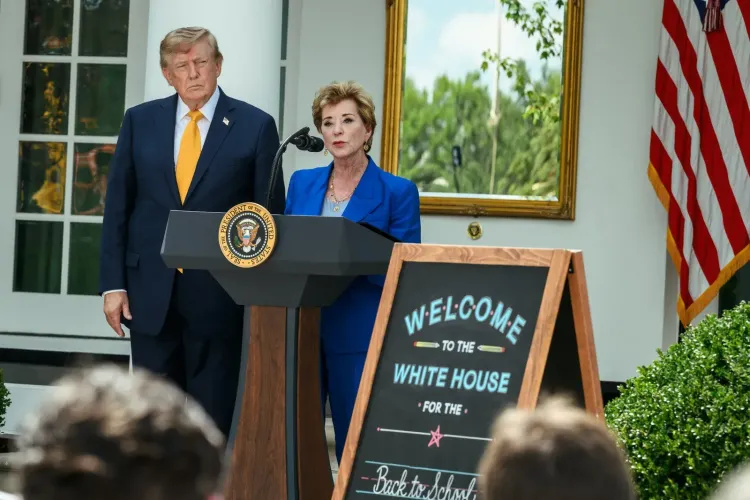
A new school year is beginning, and the Trump Administration is using the moment to restate its core education doctrine: federal policy should be measured by what it delivers to students, not by bureaucratic process.
The White House posted on Tuesday, August 25, 2026, framing the upcoming academic year as an opportunity shaped by the administration's philosophy of redirecting education 'back to its rightful focus: serving students so they are prepared for successful futures.'
A Philosophy Built Over Two Administrations
This is not a new posture for a Trump White House. During the first Trump term (2017-2021), the administration pushed school choice expansion, championed vocational and workforce-aligned training, and consistently argued that federal education bureaucracy had drifted from student outcomes. The 2026 back-to-school message lands on that same foundation — signalling continuity, not a pivot. The emphasis on 'rightful focus' is deliberate language. It implies a course correction from a prior direction, a rhetorical move that has anchored Republican education messaging for years: the argument that federal involvement had crowded out parental authority and local school control.What American Parents and Students Are Watching
For families, the stakes of education policy are immediate — curriculum decisions, school funding formulas, and career-readiness programs all flow from federal guidance. The administration's framing positions parents as the primary constituency, a consistent theme that resonates with Republican-aligned voter blocs who have grown increasingly engaged in school board and curriculum debates since 2021. The concrete policy signals to watch now are the Department of Education's guidance documents and budget proposals for the 2026-2027 school year, as well as any congressional hearings on education funding that follow this messaging push. The back-to-school post is a statement of direction. Whether the 2026-27 school year delivers on it will be written in the specifics — the programs funded, the guidance issued, the choices made available.Point of View
' the White House signals to its base that the ideological correction from the Biden era remains on track. For Indian observers, this matters because US federal education priorities shape global standards debates, student visa flows, and the broader narrative around public versus private schooling that increasingly influences Indian policy conversations. The real test arrives when budget documents and departmental guidance translate this messaging into enforceable, fundable action.
NationPress
26 Aug 2026
Frequently Asked Questions
What is the Trump Administration's education policy focus in 2026?
The Trump Administration has stated its education focus is on serving students and preparing them for successful futures, emphasising measurable outcomes and career readiness over federal bureaucratic priorities.
What did the White House say about the 2026-27 school year?
The White House posted on August 25, 2026, that American parents and students 'have a lot to be excited about,' citing the administration's effort to redirect education back to student-centred goals.
What education policies did Trump pursue in his first term?
During the first Trump Administration (2017-2021), federal education policy advanced school choice expansion and workforce-aligned vocational training programs, with an emphasis on local control over curriculum.
What should I watch for in US education policy for 2026-2027?
Key signals include Department of Education guidance documents, budget proposals for the 2026-2027 school year, and congressional hearings on education funding that follow the administration's messaging.
Why does US education policy matter for India?
US federal education priorities influence global academic standards, student visa and university admission trends, and broader public-versus-private schooling debates that increasingly shape Indian education policy discussions.