Meghalaya Assembly passes resolution against uranium mining, processing
Synopsis
Meghalaya's Assembly has formally legislated what communities in the state have demanded for decades — a clear no to uranium mining. By grounding the resolution in the Sixth Schedule and a 2019 Supreme Court ruling, Chief Minister Conrad Sangma has given the opposition constitutional teeth, making any future federal push to mine deposits at Domiasiat, Wahkijn, or Lostoin significantly harder to advance.
Key Takeaways
The Meghalaya Legislative Assembly adopted a government resolution on 26 August opposing uranium mining and ore-processing facilities in the state.
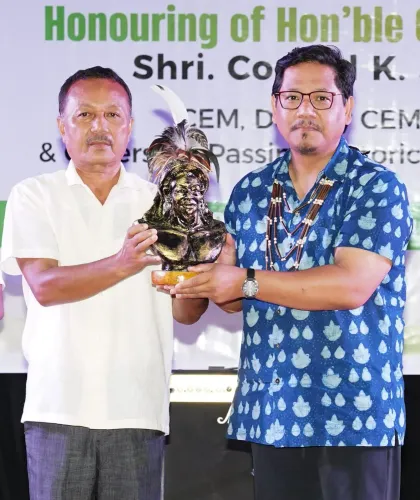
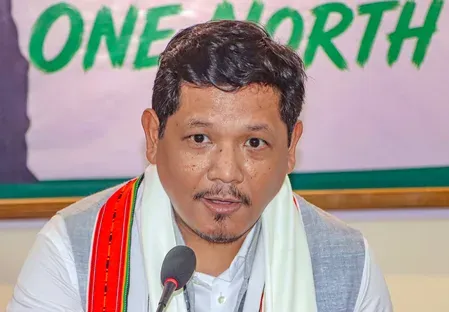
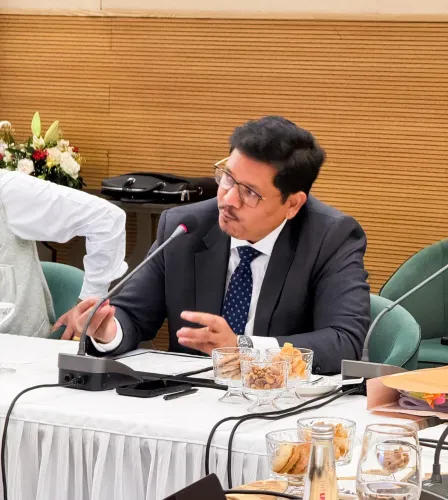
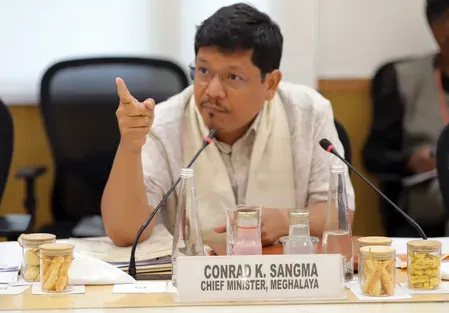
Chief Minister Conrad K.
Sangma moved the resolution, citing community concerns in areas where uranium deposits have been identified.
Uranium deposits have been located at Domiasiat , Wahkijn , and Lostoin in Meghalaya.
The resolution is grounded in the Sixth Schedule of the Constitution and a 2019 Supreme Court ruling recognising community mineral rights.
The state government will formally communicate the Assembly's position to the Centre to place it on record against any future uranium proposals.
Local communities, student bodies, and civil society have opposed uranium mining for several decades over health, environmental, and displacement concerns.
The Meghalaya Legislative Assembly on Wednesday, 26 August unanimously adopted a government resolution formally opposing uranium mining and the establishment of any uranium ore-processing facility within the state. The resolution reinforces what has been the state government's consistent stance against uranium-related activities for several decades, and will now be formally communicated to the Centre.
What the Resolution Says
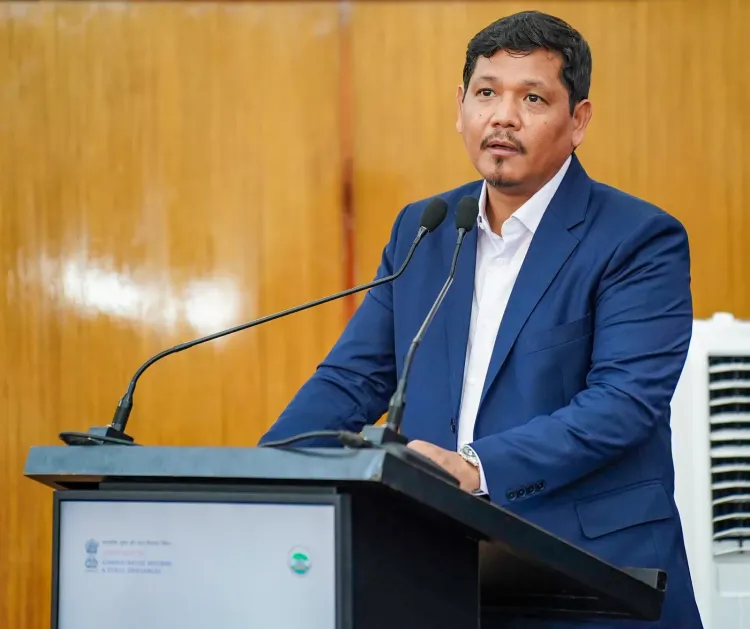
Moving the resolution in the House, Chief Minister Conrad K. Sangma stated that the decision reflects the concerns of communities residing in areas where uranium deposits have been identified. He underscored that the resolution would serve as a formal legislative expression of Meghalaya's opposition to both uranium extraction and the setting up of processing facilities within its borders.
Sangma stressed that any decision involving land and natural resources in the state must account for its constitutional protections, customary ownership systems, and the expressed wishes of its people. The state government will communicate the Assembly's position to the Centre, placing Meghalaya's stance on record against any future uranium mining or processing proposal.
Constitutional and Legal Backing
Meghalaya operates under a distinctive land ownership framework governed by the Sixth Schedule of the Constitution, which protects community, clan, and individual ownership of land. Chief Minister Sangma also cited a 2019 Supreme Court judgment in the case of State of Meghalaya versus All Dimasa Students Union, which recognised the rights of private and community landowners over both the surface land and the minerals beneath their property — a ruling that directly bears on uranium deposit areas.
Where Uranium Deposits Have Been Identified
Uranium deposits in Meghalaya have been identified in several locations, including Domiasiat, Wahkijn, and Lostoin. These areas have been at the centre of decades-long disputes between prospecting agencies and local communities. The deposits have drawn interest from the Atomic Minerals Directorate, but proposals to mine them have repeatedly stalled in the face of sustained opposition.
Decades of Community Resistance
Local communities, traditional institutions, student bodies, and civil society organisations have opposed uranium mining proposals for several decades, citing concerns over potential health risks, environmental degradation, displacement, and the disruption of traditional land use and livelihoods. The Assembly resolution now provides formal legislative backing to this long-running movement.
Notably, this is not the first time the issue has surfaced in the state's political discourse — successive governments have faced pressure from communities in mineral-bearing areas, and the sensitivity of the issue has made uranium mining one of the most politically charged resource debates in Northeast India.
What Happens Next
With the resolution adopted, the state government is expected to formally transmit its position to the Union government in New Delhi. The move is likely to complicate any future federal-level proposal involving uranium prospecting or processing in Meghalaya, given the resolution's constitutional grounding and the legislative weight it now carries. Whether the Centre will accept the state's position or seek a negotiated framework remains to be seen.
Point of View
Sangma has moved the debate from political sentiment to legal standing — making it far harder for the Centre to override. What mainstream coverage underplays is the precedent this sets: if a state assembly can formally block federal mineral prospecting through a constitutional resolution, it reshapes the Centre-state dynamic on natural resource extraction across tribal areas. The real question is whether the Union government will treat this as a binding constraint or simply note it and proceed — and that answer will define the limits of tribal land protections under the Sixth Schedule in practice, not just on paper.
NationPress
11 Oct 2026
Frequently Asked Questions
What did the Meghalaya Assembly resolve regarding uranium mining?
The Meghalaya Legislative Assembly on 26 August adopted a government resolution formally opposing uranium mining and the establishment of any uranium ore-processing facility in the state. The resolution will be communicated to the Centre to place Meghalaya's position on record against any future uranium-related proposals.
Where are uranium deposits located in Meghalaya?
Uranium deposits in Meghalaya have been identified at Domiasiat, Wahkijn, and Lostoin. These areas have been at the centre of decades-long disputes between prospecting agencies and local communities opposed to mining.
What legal protections back Meghalaya's opposition to uranium mining?
Chief Minister Conrad K. Sangma cited the Sixth Schedule of the Constitution, which protects community, clan, and individual land ownership in Meghalaya. He also referenced a 2019 Supreme Court judgment in the case of State of Meghalaya versus All Dimasa Students Union, which recognised private and community landowners' rights over minerals beneath their land.
Why have communities in Meghalaya opposed uranium mining for so long?
Local communities, traditional institutions, student bodies, and civil society organisations have cited concerns over potential health risks from radiation, environmental degradation, displacement, and the disruption of traditional livelihoods and land use. Opposition has persisted for several decades across successive state and central governments.
What happens after the Meghalaya Assembly adopts this resolution?
The state government will formally communicate the Assembly's resolution to the Union government in New Delhi, placing Meghalaya's opposition on legislative record. Any future federal proposal for uranium mining or processing in the state will now have to contend with this formal constitutional and legislative position.