Meghalaya Assembly unanimously rejects uranium mining in historic resolution
Synopsis
Meghalaya's legislature has done what decades of community protests could not do alone — put the state's uranium mining opposition into formal law. The unanimous resolution, backed by all parties, gives constitutional heft to tribal land-rights arguments and sets up a direct confrontation with the Centre over uranium deposits in Domiasiat, Wahkijn, and Lostoin.
Key Takeaways
The Meghalaya Legislative Assembly unanimously adopted a resolution on 26 August 2025 opposing uranium mining and uranium ore-processing facilities in the state.
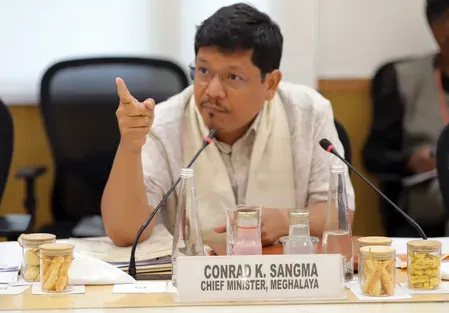
Chief Minister Conrad K.
Sangma called the vote 'historic,' noting it reflected a clear collective position across party lines.
Uranium-bearing deposits have been identified at Domiasiat , Wahkijn , and Lostoin , all of which have faced sustained community opposition.
The resolution invokes the Sixth Schedule of the Constitution and customary land-ownership structures of indigenous communities.
The state government will formally communicate the resolution to the Centre and urge it to respect tribal constitutional rights.
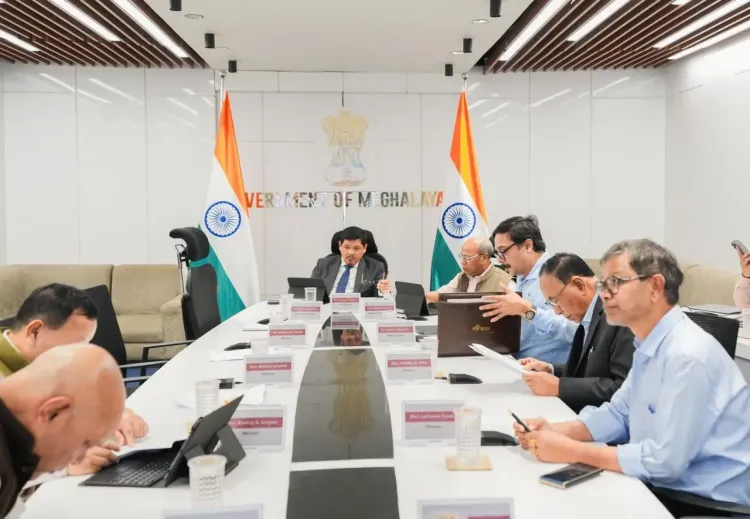
The Meghalaya Legislative Assembly on 26 August 2025 unanimously adopted a government resolution opposing uranium mining and the establishment of any uranium ore-processing facility anywhere in the state — a move Chief Minister Conrad K. Sangma described as 'historic' and reflective of the collective will of Meghalaya's people.
What the Resolution Says
The resolution formally records the state's opposition to uranium extraction as well as the setting up of uranium ore-processing facilities within Meghalaya. Sangma said the unanimous vote — cutting across party lines — placed the collective position of the state and its people on official legislative record for the first time. He thanked all members of the House for setting aside political differences on an issue he said concerned 'the rights, safety and future of the people.'
Decades of Opposition Now Formalised
Opposition to uranium mining in Meghalaya is not new. Traditional institutions, civil society organisations, student bodies, and communities in areas where uranium deposits have been identified — including Domiasiat, Wahkijn, and Lostoin — have consistently raised concerns over potential environmental damage, health risks, displacement, and disruption of traditional livelihoods and land-use practices. The legislative resolution now gives formal, constitutional weight to what had previously been community-level and civil-society resistance spanning several decades.
The Sixth Schedule and Tribal Land Rights
A central argument in the state's position is the distinctive landholding framework that governs Meghalaya. Sangma underlined that customary practices and constitutional safeguards under the Sixth Schedule of the Constitution regulate land ownership and use in the state. He said decisions concerning natural resources could not be viewed in isolation from the customary rights and ownership structures of indigenous communities — a point the state intends to press with the Centre.
What the State Government Will Do Next
The state government will formally communicate the Assembly's decision to the Centre and urge it to take into account the concerns and constitutional rights of Meghalaya's tribal communities. Sangma said the resolution went beyond opposing uranium extraction and was also aimed at protecting the state's environment, traditional land rights, and the interests of future generations. The government, he added, would continue to uphold the people's interests while ensuring Meghalaya's constitutional and customary protections remained central to any decisions on land and natural resources.
Point of View
And the Centre retains jurisdiction over atomic minerals under the Atomic Energy Act. The real test is whether New Delhi treats this as a constitutional dialogue or a symbolic gesture to be quietly set aside. Meghalaya's Sixth Schedule protections give the state a stronger legal footing than most, but the Centre has historically treated uranium exploration as a national security prerogative. That tension is unresolved, and the resolution, historic as it is, has only formalised the opening argument.
NationPress
10 Oct 2026
Frequently Asked Questions
What did the Meghalaya Assembly resolve regarding uranium mining?
The Meghalaya Legislative Assembly unanimously adopted a resolution on 26 August 2025 opposing uranium mining and the establishment of any uranium ore-processing facility anywhere in the state. The resolution formally places the collective opposition of the state and its people on legislative record.
Where are uranium deposits located in Meghalaya?
Uranium-bearing deposits have been identified in areas including Domiasiat, Wahkijn, and Lostoin in Meghalaya. Proposed mining activities in these areas have faced sustained opposition from local communities, traditional institutions, and civil society organisations for several decades.
Why does Meghalaya oppose uranium mining?
Opponents have raised concerns about potential environmental and health impacts, displacement of communities, and disruption of traditional livelihoods and land-use practices. The state also argues that uranium extraction cannot be separated from the customary land rights and Sixth Schedule protections that govern indigenous communities in Meghalaya.
What happens after the resolution is adopted?
The Meghalaya state government will formally communicate the Assembly's decision to the Centre and urge it to respect the constitutional rights of the state's tribal communities. The resolution provides a formal legislative basis for the state's position in any future negotiations with the Union government.
Does the resolution have the force of law?
A legislative resolution is a formal expression of the Assembly's position but is not equivalent to a statute. However, it carries significant constitutional and political weight, particularly given Meghalaya's Sixth Schedule protections, and provides the state government with a formal mandate to press its case with the Centre.