Meghalaya NPP backs Conrad Sangma's anti-uranium stand, felicitates James Sangma
Synopsis
The NPP used a felicitation event in Tura to publicly back Chief Minister Conrad Sangma's anti-uranium mining stance — a position now formalised through a Meghalaya Assembly resolution. The function also spotlighted GHADC governance reforms, signalling the party's dual focus on environmental protection and institutional strengthening ahead of future electoral contests.
Key Takeaways
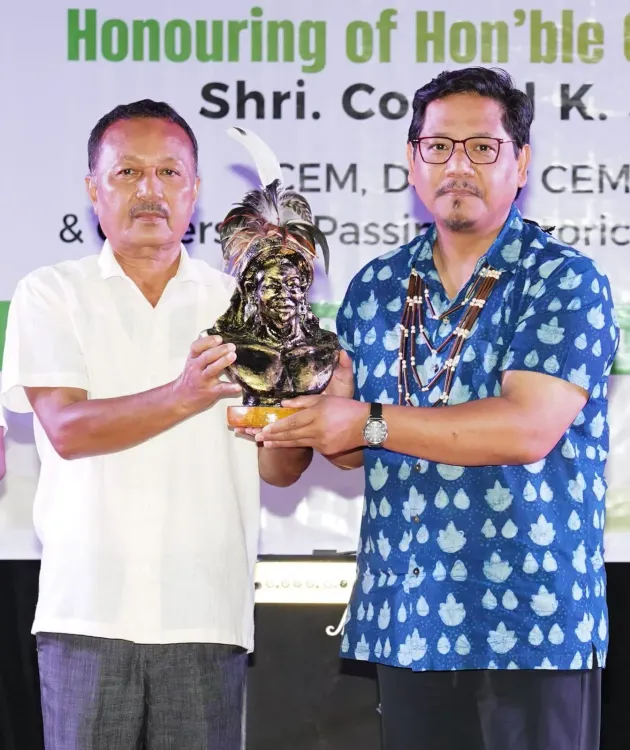
The National People's Party (NPP) felicitated Meghalaya CM Conrad K.
Sangma and new Rajya Sabha member James P.
Sangma at a function in Tura on 3 September .
NPP praised Conrad Sangma for the Meghalaya Assembly's resolution opposing uranium mining in the state.
The Chief Minister was also recognised for amending rules to introduce a separate electoral roll for the GHADC .
GHADC leadership was honoured for reforms including digitisation of tax collection, trading licence issuance, and implementation of Service Rules.
The NPP framed the anti-uranium stand and governance reforms as central to its commitment to Meghalaya's environment and communities .
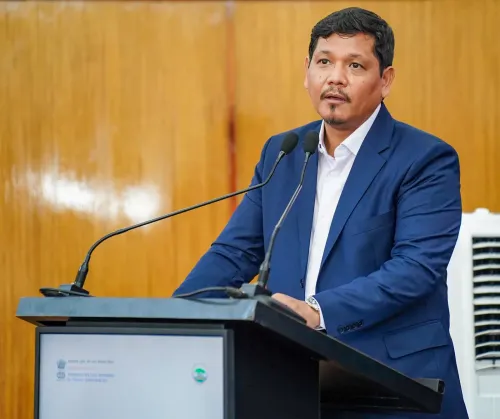
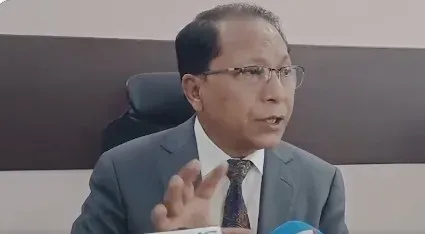
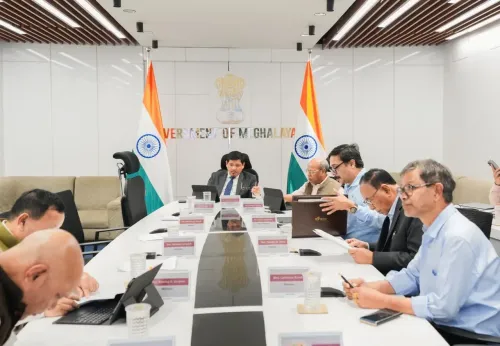
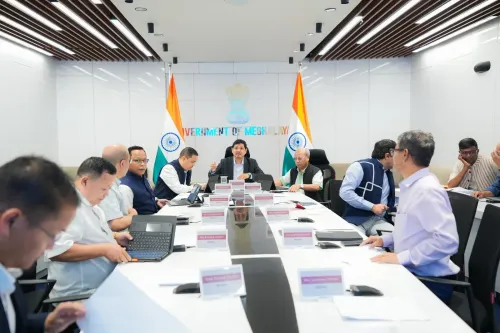
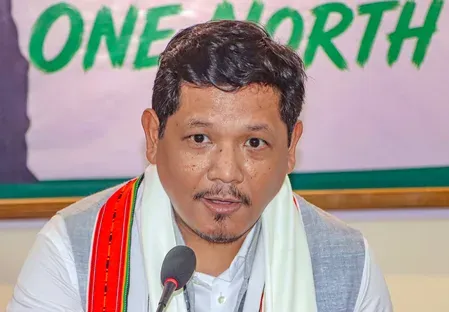
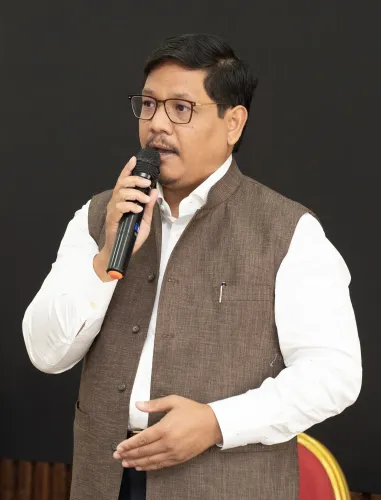
The National People's Party (NPP) on Thursday, 3 September publicly commended Meghalaya Chief Minister and party national president Conrad K. Sangma for the state government's firm opposition to uranium mining, while also honouring newly elected Rajya Sabha member James P. K. Sangma at a felicitation function held in Tura. The event brought together senior NPP leaders and representatives of the Garo Hills Autonomous District Council (GHADC).
NPP Lauds Anti-Uranium Stand
At the function, NPP leaders formally praised Chief Minister Conrad K. Sangma for steering the Meghalaya Legislative Assembly towards passing a resolution opposing uranium mining in the state. The party described the resolution as a significant step in protecting Meghalaya's environment, natural resources, and the broader interests of its communities.
The NPP leadership underscored that the state government's stance was a direct response to concerns raised by local people and communities across Meghalaya. The party's appreciation comes against the backdrop of longstanding and widespread opposition to uranium mining proposals in the state, where environmental protection and community welfare have remained central to public discourse.
GHADC Reforms Recognised
The felicitation programme also recognised the leadership of the GHADC for a series of administrative reforms. GHADC Chief Executive Member Dhormonath Sangma, Deputy Chief Executive Member Stevie Marak, Executive Members, and Members of the District Council were all honoured at the event.
The council was credited with introducing a separate electoral roll, digitising tax collection and trading licence issuance, and implementing Service Rules within the GHADC. NPP leaders said these reforms were aimed at improving transparency, efficiency, and accountability in the autonomous council's functioning.
Electoral Roll Amendment and Governance Push
Chief Minister Conrad K. Sangma was additionally felicitated for amending rules to facilitate a separate electoral roll for the GHADC. Party leaders stated that the move would strengthen the autonomous district council's institutional functioning and improve its electoral administration — a priority the NPP has framed as part of its broader commitment to grassroots governance.
Political Priorities Underlined
The Tura event served as a platform for the NPP to reinforce its political agenda: strengthening autonomous institutions, improving governance at the district council level, and taking clear positions on environmental issues central to Meghalaya's identity. The party said its initiatives reflected efforts to safeguard both the state's natural heritage and the rights of its communities. With the anti-uranium resolution now on record in the state assembly, the NPP appears to be consolidating its credentials as a defender of local environmental interests ahead of future electoral cycles.
Point of View
And the party is clearly staking out electoral territory on it. What is worth watching is whether the assembly resolution carries legal weight or remains symbolic; resolutions do not automatically override central government mining approvals under the Atomic Energy Act, which reserves uranium decisions with the Centre. The GHADC reforms, while administratively meaningful, are being packaged alongside the uranium stand to project a cohesive 'governance plus environment' identity — a framing the NPP will likely carry into its next campaign cycle.
NationPress
19 Oct 2026
Frequently Asked Questions
Why did the NPP felicitate Conrad Sangma over uranium mining?
The NPP praised Chief Minister Conrad K. Sangma for leading the Meghalaya Legislative Assembly to pass a resolution opposing uranium mining in the state. The party described the move as a critical step in protecting Meghalaya's environment and the interests of local communities who have long opposed such mining proposals.
What is the significance of Meghalaya's anti-uranium mining resolution?
The resolution represents the state assembly's formal opposition to uranium mining proposals in Meghalaya, a long-contested issue rooted in environmental and community welfare concerns. However, uranium mining decisions in India ultimately fall under central government jurisdiction through the Atomic Energy Act, making the resolution largely a statement of political intent.
Who is James P. K. Sangma and why was he felicitated?
James P. K. Sangma is a newly elected Rajya Sabha member from Meghalaya affiliated with the NPP. He was honoured at the Tura felicitation function alongside Chief Minister Conrad K. Sangma and GHADC leadership.
What reforms has the GHADC implemented?
The Garo Hills Autonomous District Council introduced a separate electoral roll, digitised tax collection and trading licence issuance, and implemented Service Rules within the council. NPP leaders credited these changes with improving transparency, efficiency, and accountability in the GHADC's functioning.
Where was the NPP felicitation function held?
The felicitation function was held in Tura, in the Garo Hills region of Meghalaya, on 3 September. It was attended by senior NPP leaders and representatives of the GHADC.