White House Touts American Manufacturing With 'Buy American' Post

Synopsis
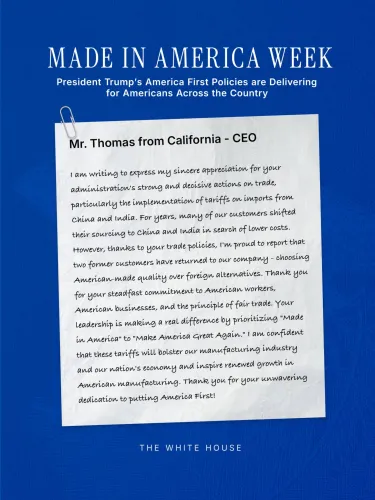
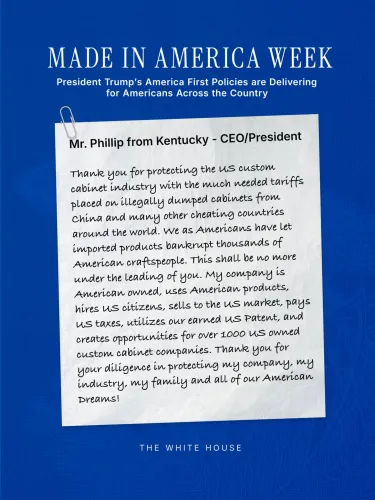
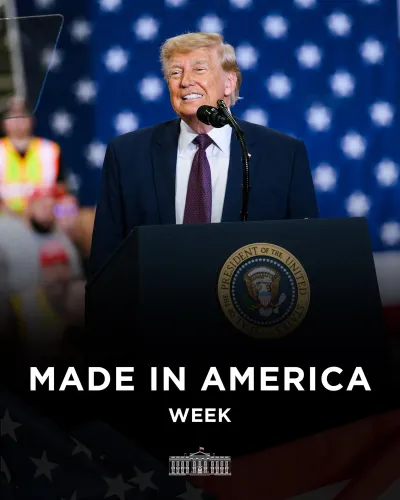
The White House on 28 July 2026 posted a punchy 'American speed. American muscle. American-made.' message, reinforcing the administration's sustained emphasis on domestic manufacturing, Buy American procurement rules, and reshoring industrial capacity as pillars of US economic strategy.
Key Takeaways
The White House posted a 'American-made' rallying message on 28 July 2026 , signalling continued executive focus on domestic manufacturing.
The post echoes the Buy American Act of 1933 tradition, which mandates federal procurement preference for US-made goods.
Key beneficiaries of Buy American policies include manufacturing workers and domestic manufacturers in sectors such as autos, steel, and advanced manufacturing.
The White House has historically used such social media messaging as a prelude to concrete policy announcements or investment figures.
Tighter Buy American rules could have downstream effects on Indian exporters in auto components and specialty steel who supply the US market.
No specific policy action or product was confirmed alongside the 28 July 2026 post.
The White House posted a sharp, three-word rallying cry on Tuesday, 28 July 2026, championing domestic production with the phrase 'American speed. American muscle. American-made.' — a message that signals continued executive emphasis on reshoring industrial capacity and boosting made-in-USA goods.
Context
The post, brief but pointed, distils a posture that has defined executive messaging on the economy for well over a decade: that domestic manufacturing is not merely an economic preference but a matter of national strength and supply-chain security. The three-line formulation — 'American speed. American muscle. American-made.' — is squarely in the tradition of Buy American rhetoric that administrations of both parties have deployed since at least the Obama era.
The Buy American Act of 1933 first codified a federal preference for domestically produced goods in government procurement. Since then, successive administrations have layered executive orders, legislative mandates, and public messaging campaigns on top of that foundation, each iteration tightening domestic-content thresholds or expanding the sectors covered.
Policy Backdrop
The broader policy lineage behind this kind of messaging includes federal procurement rules, domestic-content requirements for infrastructure spending, and targeted support for sectors such as steel, automobiles, semiconductors, and advanced manufacturing. The common thread across these initiatives is the argument that offshoring eroded both jobs and strategic resilience, and that government spending power should actively correct that.
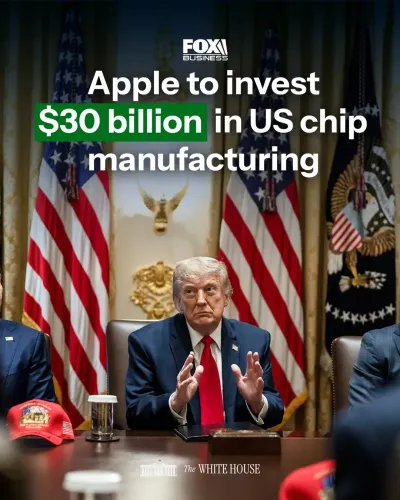
White House social media posts framed around manufacturing slogans have historically preceded or accompanied concrete announcements — new facility openings, updated procurement guidance, or headline investment figures from domestic manufacturers. The July 2026 post fits that pattern, though no specific policy action has been confirmed alongside it.
Stakeholders and Impact
Manufacturing workers and domestic manufacturers are the primary audience and beneficiaries of Buy American policies. For workers, the promise is sustained demand for labour in factories that might otherwise have moved production overseas. For manufacturers, federal procurement preferences translate into a more predictable order book and a competitive edge over foreign suppliers in government contracts.
The messaging also carries political weight in industrial swing states where factory employment remains a defining economic issue. A White House post celebrating 'American muscle' lands differently in a Midwest auto-belt county than it does in a coastal financial centre — and the administration's communications team is well aware of that geography.
What's Next
Observers will watch for follow-on announcements that give the slogan policy substance — whether that is updated domestic-content thresholds in federal contracts, new manufacturing investment figures, or the opening of a flagship facility. The White House has consistently used social media posts of this kind as a prelude to larger rollouts, making the timing and framing of the 28 July 2026 post worth tracking in the days ahead.
For India, which competes with and supplies to the American manufacturing ecosystem, any tightening of Buy American rules could affect export-oriented sectors ranging from auto components to specialty steel, making this a story with real bilateral economic implications.
Point of View
But its timing in mid-2026 is not incidental — it arrives as the administration navigates trade tensions and domestic political pressure to demonstrate economic wins for blue-collar constituencies. The 'American-made' frame is bipartisan in origin but has sharpened into a core identity marker for recent administrations seeking to distance US supply chains from geopolitical rivals. For India, the subtext matters: a Washington that rewards domestic production with policy muscle is one that may simultaneously raise the bar for foreign suppliers. The post, however brief, is best read as a signal flare ahead of a likely substantive announcement rather than as a standalone communication.
NationPress
28 Jul 2026
Frequently Asked Questions
What does the White House 'American-made' post mean?
The White House post on 28 July 2026 reinforces the administration's Buy American stance, emphasising domestically produced goods and reshoring of industrial capacity as economic priorities.
What is the Buy American Act?
The Buy American Act of 1933 is a federal law that requires the US government to prefer domestically manufactured goods in its procurement decisions, a policy that successive administrations have strengthened over decades.
How does Buy American policy affect India?
Stricter Buy American rules can reduce market access for Indian exporters in sectors such as auto components and specialty steel that supply US manufacturers or government contractors.
Which sectors benefit most from Buy American policies?
Steel, automobiles, semiconductors, and advanced manufacturing are among the sectors most directly supported by Buy American procurement preferences and domestic-content requirements.
Will the White House make a manufacturing announcement soon?
No specific announcement has been confirmed, but the administration has historically followed social media posts of this kind with concrete policy rollouts such as investment figures or updated procurement rules.