Shekhawat backs Exam Amendment Bill: 10-yr jail, ₹10 cr fine
Synopsis
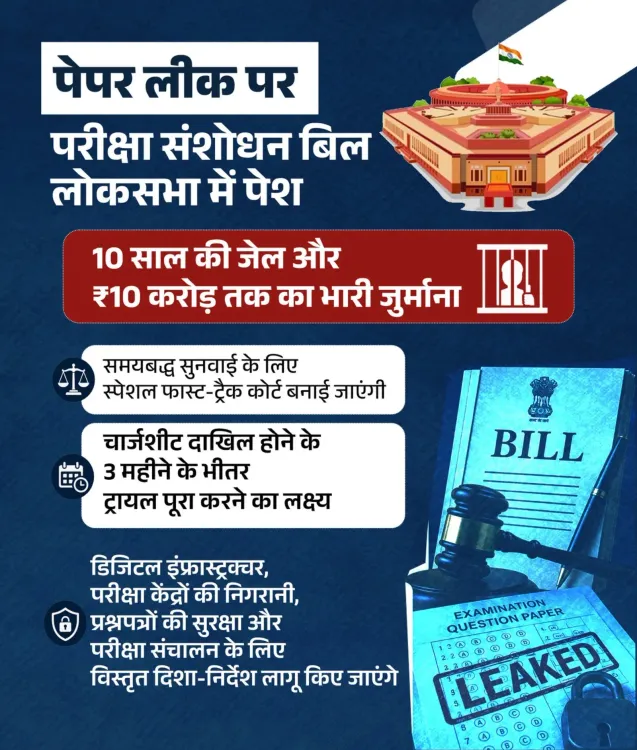
Union Minister Gajendra Singh Shekhawat has backed the 'Pariksha Sanshodhan Bill' tabled in Lok Sabha, which proposes up to 10 years in prison and fines of up to ₹10 crore for examination malpractice, along with a three-month trial target and tighter surveillance of exam centres and digital systems.
Key Takeaways
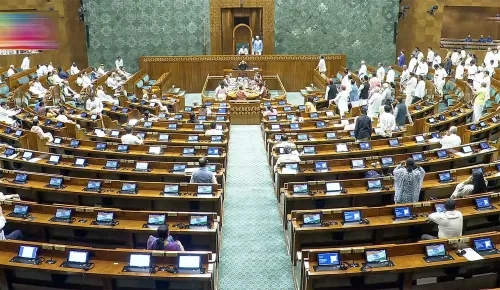
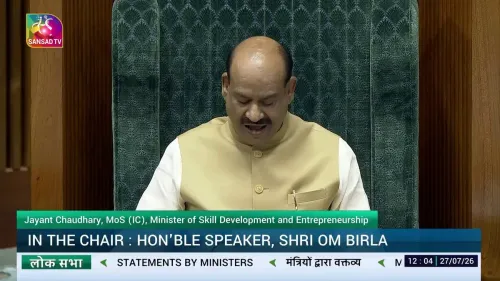
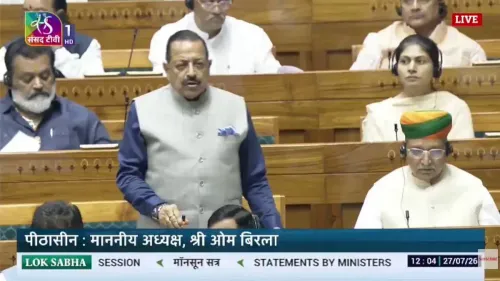
The Exam Amendment Bill was tabled in Lok Sabha on 28 July 2026 .
Offenders face up to 10 years' imprisonment and fines of up to ₹10 crore .
Trials must be completed within 3 months of a chargesheet being filed.
The bill mandates strict surveillance of examination centres and digital systems .
The legislation builds on the Public Examinations (Prevention of Unfair Means) Bill introduced in February 2024 .
Union Minister Gajendra Singh Shekhawat framed it as a guarantee of 'rightful due' for hardworking students.
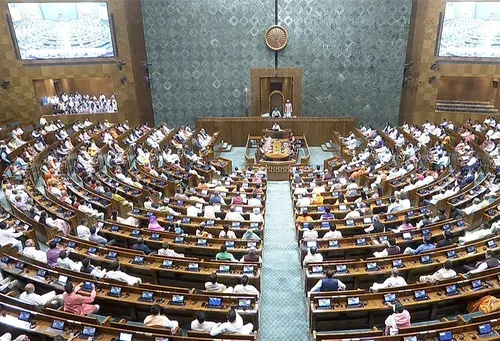
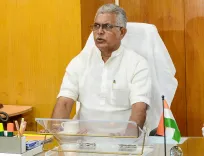
Union Culture and Tourism Minister Gajendra Singh Shekhawat on Tuesday, 28 July 2026 welcomed the tabling of what he called the 'Pariksha Sanshodhan Bill' (Exam Amendment Bill) in Lok Sabha, hailing its provisions of up to 10 years' imprisonment and fines of up to ₹10 crore as a decisive blow against examination fraud.
Context
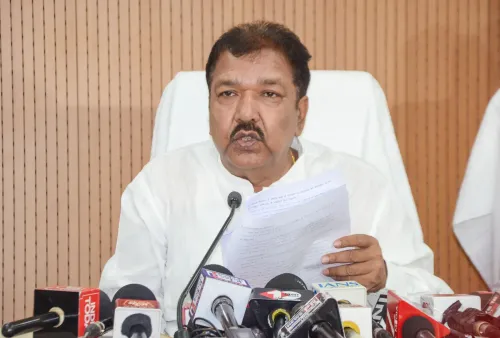
Posting on X, Shekhawat declared: 'Those who indulge in malpractice will no longer be spared!' He highlighted three core provisions — a maximum jail term of 10 years, a fine ceiling of ₹10 crore, and a target of completing trials within three months of a chargesheet being filed. He also noted that the bill mandates strict surveillance of examination centres and digital systems.
The minister framed the legislation as a guarantee that hardworking students will finally receive what he called 'their rightful due,' signalling the government's intent to restore credibility to competitive examinations.
Policy Backdrop
The move builds on the Public Examinations (Prevention of Unfair Means) Bill introduced in Lok Sabha in February 2024, which was Parliament's first dedicated legislative response to a spate of paper-leak scandals that had undermined national-level tests. That earlier bill set the template of combining criminal penalties with time-bound judicial processes to deter organised malpractice networks.
The central government has consistently pursued a deterrence-first approach — escalating penalties, tightening oversight of examination infrastructure, and hardening digital systems against manipulation. The current amendment appears to sharpen those provisions further, though the precise textual changes remain subject to parliamentary scrutiny.
Stakeholders and Impact
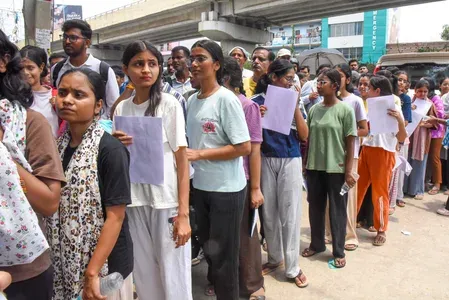
Millions of aspirants preparing for competitive examinations — from UPSC and SSC to state-level recruitment tests — stand to benefit if the legislation effectively curbs paper leaks and impersonation rackets. Exam-conducting bodies such as NTA (National Testing Agency) and state public service commissions would face heightened compliance obligations under the enhanced digital-surveillance framework.
Students' groups and education-reform advocates have long demanded stronger legal deterrents, arguing that existing provisions were insufficient to dismantle well-funded cheating syndicates. Stringent penalties and swift trials are seen as critical to rebuilding institutional trust.
What's Next
The bill's progress through Lok Sabha debates and any referral to a parliamentary standing committee will determine the final shape of the penalty and oversight framework. Enforcement will hinge on rules notified by the government specifying the monitoring mechanisms for examination centres and digital platforms.
If passed and operationalised, the legislation could mark a structural shift in how India polices the integrity of public examinations — with legal consequences severe enough to deter even organised syndicates.
Point of View
A politically potent issue after high-profile paper-leak controversies. The combination of steep financial penalties and fast-track trials reflects a legislative philosophy of maximum deterrence, aimed at dismantling the commercial networks behind organised cheating. If the bill advances with these provisions intact, it would represent a significant escalation from the 2024 framework and could reshape accountability norms for exam-conducting bodies. The political dividend, however, depends entirely on effective enforcement — a challenge that previous legislation has struggled to meet.
NationPress
28 Jul 2026
Frequently Asked Questions
What is the Pariksha Sanshodhan Bill introduced in Lok Sabha?
The Pariksha Sanshodhan Bill (Exam Amendment Bill) is a proposed law tabled in Lok Sabha on 28 July 2026 that prescribes up to 10 years in prison and fines of up to ₹10 crore for examination malpractice, with trials to be completed within three months of a chargesheet.
What is the punishment for exam paper leaks under the new bill?
Under the bill, those found guilty of examination fraud face a maximum jail term of 10 years and a fine of up to ₹10 crore, making it one of the stiffest penalty frameworks for exam malpractice in India.
How is the 2026 exam bill different from the 2024 Public Examinations Act?
The 2024 Public Examinations (Prevention of Unfair Means) Bill laid the original legislative foundation against paper leaks. The 2026 amendment appears to sharpen penalties and add provisions for time-bound trials and enhanced digital surveillance, though the precise changes will emerge from parliamentary debate.
Why is Culture Minister Shekhawat commenting on an education bill?
While Gajendra Singh Shekhawat holds the Culture and Tourism portfolio, senior BJP leaders routinely amplify significant legislative developments across policy areas, particularly those with broad public resonance such as examination integrity.
What oversight does the exam amendment bill propose for digital systems?
The bill calls for strict surveillance of examination centres and digital systems to prevent tampering, impersonation, and data breaches — areas identified as key vulnerabilities in past paper-leak incidents.