How is ‘Xiplomacy’ Enhancing China-US Relations Amid Geopolitical Strains?
Synopsis
Discover how ‘Xiplomacy’ is redefining diplomatic relations between China and the US through youth exchanges, fostering understanding and cooperation amidst rising tensions. This innovative approach not only enhances cultural ties but also aims to build a future where youth play a crucial role in international relations.
Key Takeaways
Xiplomacy is a diplomatic tool focused on youth engagement.
Over 40,000 American youths have participated in cultural exchanges. ‘Xiplomacy’ aims to build friendships and understanding.
President Xi Jinping supports youth as future ambassadors.
This initiative reflects China's broader diplomatic narrative.
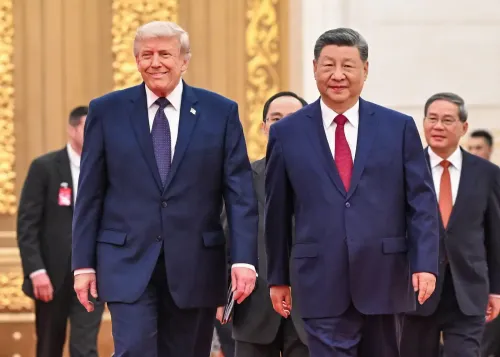
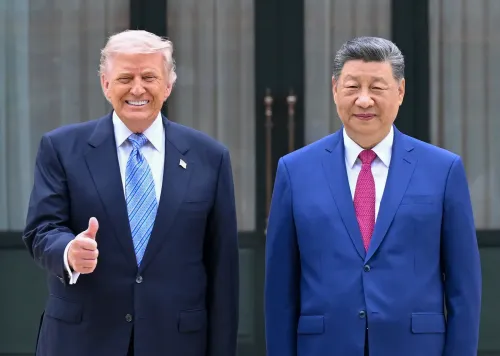
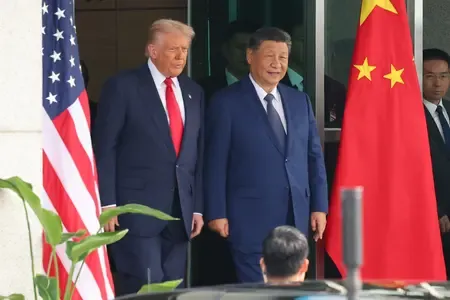
New Delhi, Jan 14 (NationPress) In the backdrop of U.S. President Donald Trump’s tariff pressures and escalating military tensions regarding Taiwan, recent reports from Beijing indicate that ‘Xiplomacy’ is emerging as a subtle yet effective diplomatic approach, primarily through youth exchanges and cultural engagement.
As stated by China’s state-run People’s Daily Online, since President Xi Jinping introduced the '50,000 in Five Years' initiative during his late-2023 visit to San Francisco, over 40,000 American youth have engaged in the program.
This initiative aims to bring 50,000 young Americans to China for exchange and study opportunities over five years.
The success of ‘Xiplomacy’ is underscored by testimonials from the youth delegation, as reported by the news outlet on Wednesday.
Following their visit to various Chinese cities in October last year, delegation members expressed their gratitude in a letter to President Xi, stating that the trip significantly enhanced their understanding of China.
In their correspondence, the delegation reflected on their journey, where they experienced the rich cultural tapestry, educational opportunities, technological advancements, and warm personal interactions that China has to offer, as detailed by People’s Daily.
In a show of goodwill, the President responded to the letter from the U.S. youth education exchange delegation, encouraging “more young Americans to act as a new generation of ambassadors for China-US relations”.
This response, prominently featured under the banner of 'Xiplomacy', followed the delegation’s visit in October 2025, where students and educators interacted with various aspects of Chinese culture, education, and innovation.
Members of the delegation, as well as veteran American participants in bilateral exchanges, noted that nurturing friendly interactions and partnerships is a common goal for both the people of China and the US, as the report indicated.
Xi’s reply highlighted that the future of Beijing-Washington relations lies in its populace, particularly the youth.
Participants described their experiences as life-changing, recounting activities such as practicing Tai Chi and constructing a traditional Luban bridge with Chinese students, symbolizing friendship and collaboration.
Educators like Milinda Sylvain, principal of Diamond Minds Transformational Leadership Academy in Florida, remarked that Xi’s letter emphasized the importance of youth exchange and affirmed that their voices were acknowledged at the highest level.
“My initial reaction was profound surprise, gratitude, and honor. Although we wrote earnestly and respectfully, we did not anticipate a personal response,” the report quoted Sylvain.
The academy was among several U.S. institutions involved in the youth education exchange delegation to China.
“From our October trip, we discovered that China is much more dynamic, welcoming, and diverse than many of our students had envisioned,” the principal added, aligning with the fundamental goal of ‘Xiplomacy’.
This initiative is part of China’s larger narrative of “major country diplomacy with Chinese characteristics”, aiming to portray 'The Dragon' as a responsible global actor while countering perceptions of rivalry and distrust.
Analysts point out that Xi’s personal engagement in people-to-people diplomacy, termed ‘Xiplomacy’, has become a defining feature of China’s outreach strategy, leveraging cultural and educational pathways to reinforce bilateral ties in the face of broader geopolitical challenges.
Point of View
It is imperative to recognize that while ‘Xiplomacy’ appears to strengthen ties between China and the US through cultural exchanges, it also underscores the importance of youth engagement in global diplomacy. This initiative reflects a broader narrative of understanding amid geopolitical tensions, promoting cooperation over conflict. The focus on the younger generation as future ambassadors for international relations is both timely and essential.
NationPress
2 Oct 2026
Frequently Asked Questions
What is the '50,000 in Five Years' initiative?
This initiative aims to bring 50,000 young Americans to China for exchange and study programs over five years, fostering cultural understanding.
How has 'Xiplomacy' been effective?
‘Xiplomacy’ has been effective through personal interactions and cultural exchanges, allowing participants to gain a deeper understanding of each other’s countries.
What role do youth play in international diplomacy?
Youth play a crucial role in shaping future diplomatic relations, serving as cultural ambassadors and building bridges between nations.
How does Xi Jinping engage with the youth?
Xi Jinping engages with youth through letters and responses, encouraging their participation in diplomatic efforts and cultural understanding.
What are the long-term goals of 'Xiplomacy'?
The long-term goals of 'Xiplomacy' include fostering mutual respect and understanding, and promoting peaceful coexistence between nations.