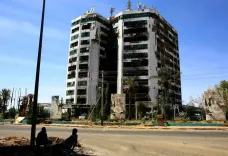
Yemen airstrikes hit Houthi positions near Bab al-Mandab Strait
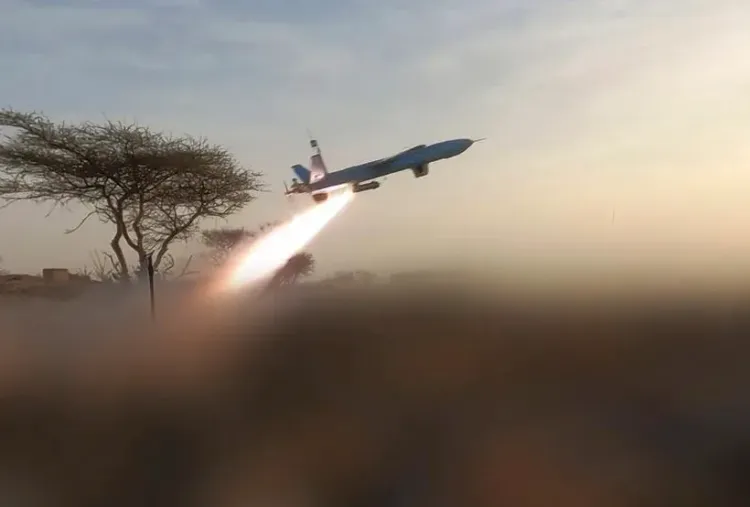
Synopsis
Yemen's worst ground fighting in years is now centred on one of the world's most critical shipping lanes. With at least 90 dead in under 48 hours and both sides reinforcing positions near the Bab al-Mandab Strait, the risk of a full-scale return to large-scale hostilities — with direct implications for Red Sea maritime security — is sharply elevated.
Key Takeaways
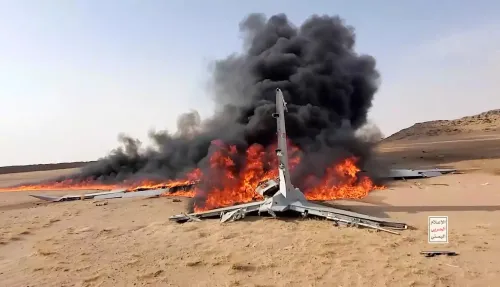
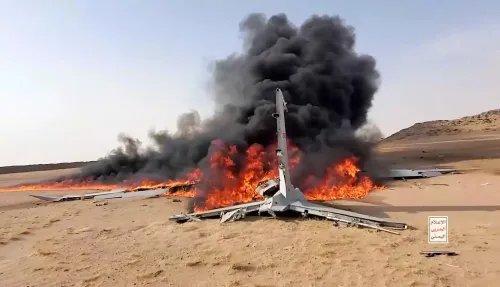
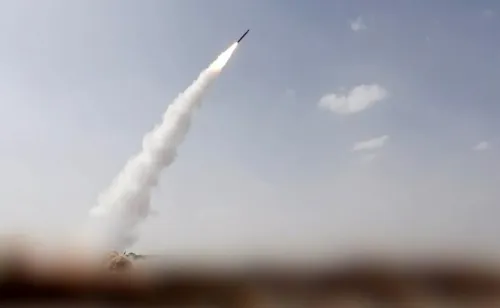
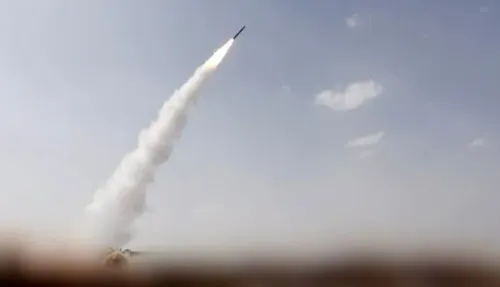
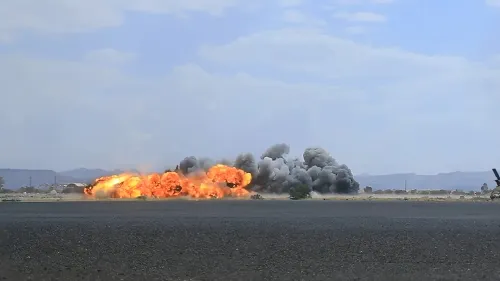
Yemeni government warplanes struck Houthi positions in Hodeidah and Taiz on Friday , backing ground forces near the Bab al-Mandab Strait .
At least 90 people have been killed — 40 government soldiers and at least 50 Houthi fighters — since the escalation began at dawn Thursday .
Rashad al-Alimi , chairman of the Presidential Leadership Council , vowed to block any Houthi advance toward the strait.
A Houthi source attributed the strikes to 'Saudi aggression warplanes'; Saudi Arabia has not commented.
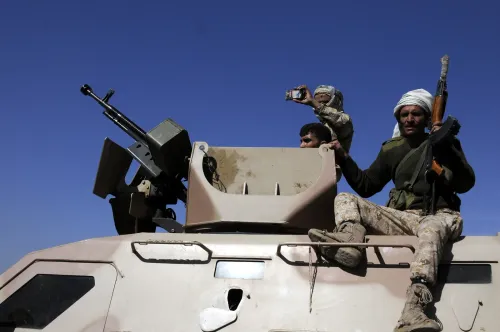
Both sides have reinforced positions with additional troops and armoured vehicles, raising fears of a broader return to large-scale conflict.
Yemeni government warplanes struck Houthi-held areas in the western provinces of Hodeidah and Taiz on Friday, providing air cover to ground troops battling a major Houthi offensive near the strategically critical Bab al-Mandab Strait, according to a military official. The strikes came as fierce fighting raged across multiple fronts, with Houthi fighters reportedly making rapid territorial advances over the preceding 24 hours.
Key Developments
The military official, speaking on condition of anonymity, said warplanes targeted Houthi positions and troop movements in zones of active ground combat. Further details on the scope of the strikes or resulting casualties were not immediately available. A Houthi military source confirmed the strikes but attributed them to 'Saudi aggression warplanes' — a claim Saudi Arabia had not publicly addressed as of the latest reports.
Death Toll and Escalation
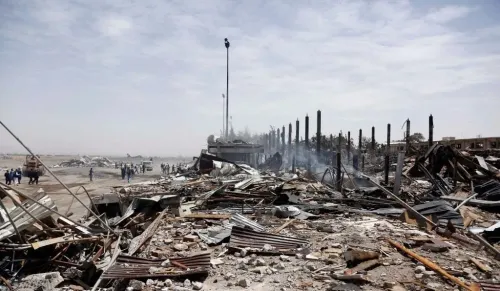
The latest escalation, which erupted at dawn on Thursday, has claimed at least 90 lives — including 40 government soldiers and at least 50 Houthi fighters — across the two provinces, according to medical officials. By Friday, both sides had reportedly dispatched additional troops, armoured vehicles, and military equipment to the two active fronts, deepening what observers describe as some of the heaviest ground fighting in western Yemen in recent years.
What the Government Said
Rashad al-Alimi, chairman of Yemen's Presidential Leadership Council (PLC), vowed on Friday that government forces would prevent Houthi fighters from advancing toward the Bab al-Mandab Strait — the vital waterway linking the Red Sea and the Gulf of Aden. The strait is one of the world's most consequential maritime chokepoints, through which a significant share of global shipping passes.
Broader Context
Yemen has been engulfed in conflict since late 2014, when the Houthis seized the capital Sanaa and large swathes of northern Yemen. A Saudi-led coalition intervened the following year in support of the internationally recognised Yemeni government. The current escalation raises concerns of a broader return to large-scale hostilities after years of relative calm along many of the country's frontlines. Notably, control of the Bab al-Mandab Strait has been a recurring flashpoint, given its outsized importance to regional and global trade routes.
What Happens Next
With both sides reinforcing positions and no immediate ceasefire signals reported, the situation along the Hodeidah and Taiz fronts remains volatile. International stakeholders, including the United Nations, have previously brokered fragile truces in Yemen — but none appear imminent given the pace of the current escalation.
Point of View
With consequences far beyond Yemen's borders. The conflicting attribution of the airstrikes — Yemeni government versus Saudi coalition — also points to a persistent opacity in the military chain of command that has long complicated accountability in this conflict. Ninety deaths in under 48 hours, after years of relative frontline calm, signals that the fragile equilibrium holding since the 2022 truce may be fracturing faster than international mediators can respond.
NationPress
5 Sept 2026
Frequently Asked Questions
Why are Houthi advances near the Bab al-Mandab Strait significant?
The Bab al-Mandab Strait is a critical waterway linking the Red Sea and the Gulf of Aden, through which a major share of global shipping passes. Any Houthi control or disruption of this corridor would have serious implications for international maritime trade and regional security.
How many people have been killed in the latest Yemen escalation?
At least 90 people have been killed since the escalation began at dawn on Thursday, according to medical officials. The dead include 40 government soldiers and at least 50 Houthi fighters across the provinces of Hodeidah and Taiz.
What did Yemen's Presidential Leadership Council say about the offensive?
Rashad al-Alimi, chairman of Yemen's Presidential Leadership Council, vowed on Friday that government forces would block Houthi fighters from advancing toward the Bab al-Mandab Strait. No further operational details were provided.
Did Saudi Arabia carry out the airstrikes?
A Houthi military source attributed the strikes to 'Saudi aggression warplanes,' but Saudi Arabia had not publicly responded to that claim as of the latest reports. Yemeni military officials described the strikes as government operations in support of ground troops.
How long has Yemen been at war?
Yemen has been in conflict since late 2014, when the Houthis seized the capital Sanaa and much of northern Yemen. A Saudi-led coalition intervened in 2015 in support of the internationally recognised government, and fighting has continued in various forms since then.