Houthis claim Riyadh airport strike again as Iran offers dialogue
Synopsis
The Houthis have now struck Riyadh's main international airport three times in 48 hours, killing at least 13 and wounding over 300 — while Iran simultaneously offers to play peacemaker. The gap between Tehran's mediation pitch and its role as the Houthis' primary arms supplier is the central contradiction diplomats must navigate as civilian casualties mount in Saudi Arabia's capital.
Key Takeaways
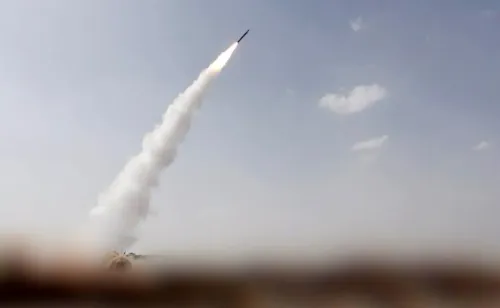
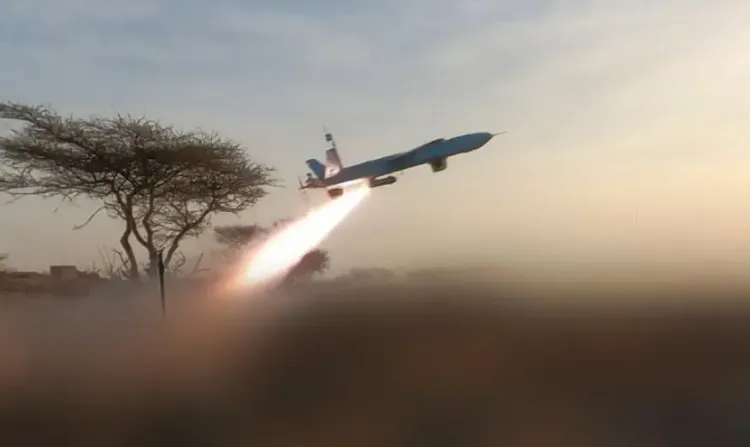
Houthi military spokesman Yahya Sarea claimed a ballistic missile strike on King Khalid International Airport , Riyadh, on the evening of 13 October 2025 ; the Saudi-led coalition said the missile was intercepted.
A Saturday Houthi strike on the same airport killed 12 people and injured 309 others ; a Sunday strike killed 1 Pakistani resident and injured 11 .
Saudi Arabia's civil aviation authority extended the suspension of airport operations following the attacks.
The Houthis reported 119 Saudi coalition strikes on Houthi-held areas in the preceding 24 hours; at least 9 people were killed in airstrikes on Al-Jawf .
Iranian Foreign Minister Seyed Abbas Araghchi called his Saudi counterpart on Sunday, offering Iran's assistance to initiate dialogue between Riyadh and the Houthis.
Yemen's conflict has been ongoing since 2014 , with a UN-brokered truce in 2022 having previously reduced — but not ended — hostilities.
Yemen's Houthi group on Monday, 13 October 2025, claimed a fresh ballistic missile strike on King Khalid International Airport in the Saudi capital Riyadh, even as Iran reiterated its readiness to broker dialogue between Saudi Arabia and the Houthis. The strike — if confirmed — would be the latest in a rapid series of Houthi attacks on the airport that have already killed and wounded hundreds in preceding days.
What the Houthis Claimed
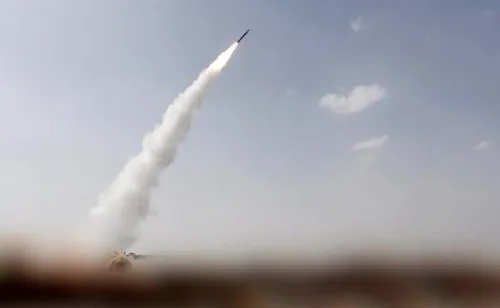
Houthi military spokesman Yahya Sarea said in a statement on Monday evening that the group targeted King Khalid International Airport with a ballistic missile, asserting it 'accurately hit' the target. He separately claimed the group also launched a drone attack on King Khalid Air Base in Khamis Mushait, southwestern Saudi Arabia, alleging a direct hit there as well.
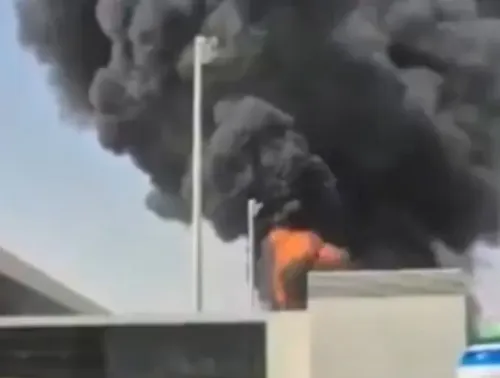
The Saudi-led coalition, however, said its forces had intercepted and destroyed the Houthi ballistic missile fired toward Riyadh on Monday evening. Explosions were nonetheless heard across the Saudi capital around the time of the reported attack, and residents received alerts through mobile applications.
Death Toll from Weekend Strikes
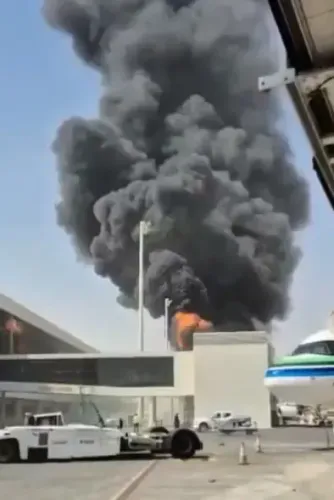
Saudi Arabia's civil aviation authority confirmed on Monday that one Pakistani resident was killed and 11 others injured in a Houthi strike on the airport on Sunday afternoon. The authority also announced an extended suspension of airport operations as a precaution.
The weekend's bloodiest incident came on Saturday, when a Houthi strike on the same airport killed 12 people and injured 309 others, according to the same authority. The clustering of three attacks within 48 hours represents a significant intensification of Houthi targeting of Saudi civilian infrastructure.
Saudi Strikes and Casualties in Yemen
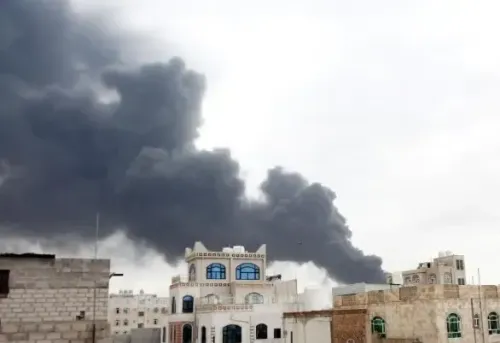
The exchange of fire has been far from one-sided. The Houthis said Saudi Arabia carried out 119 strikes on several Houthi-held areas over the 24 hours ending Monday. Houthi-run al-Masirah TV reported that at least nine people were killed and seven others injured in airstrikes on Al-Jawf, a province near the Saudi border.
On the Yemeni government's side, military spokesperson Majid al-Nuzaili said government forces had carried out 1,879 attacks on Houthi military targets in recent hours and claimed approximately 950 Houthi fighters had been 'neutralized' — figures that could not be independently verified.
Iran Steps In with Mediation Offer
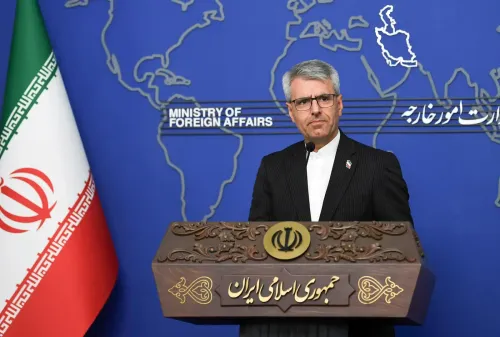
The escalation has drawn renewed diplomatic attention. At a weekly press conference on Monday, Iran's Foreign Ministry spokesman Esmaeil Baghaei said Tehran has 'repeatedly expressed readiness to use our good offices to facilitate dialogue between the warring parties.' His remarks echoed a phone call the day before between Iranian Foreign Minister Seyed Abbas Araghchi and Saudi Foreign Minister Prince Faisal bin Farhan bin Abdullah Al Saud, during which Araghchi offered 'any kind of assistance' to initiate talks.
Tehran's offer comes at a diplomatically complex moment. Iran is widely regarded as the Houthis' principal backer — supplying weapons, training, and strategic guidance — which means its role as a neutral mediator remains contested in Riyadh's eyes. Notably, the 2023 China-brokered Saudi-Iran normalisation deal had briefly raised hopes of a de-escalation framework for Yemen, but hostilities have since rebounded sharply.
Background and What Comes Next
Yemen's conflict dates to late 2014, when the Houthis seized Sanaa and much of northern Yemen, prompting the Saudi-led coalition to intervene militarily in 2015 in support of the internationally recognised Yemeni government. A UN-brokered truce in 2022 largely halted major hostilities for an extended period, but the renewed fighting marks a significant departure from that fragile calm.
With attacks on a major international airport now drawing civilian casualties in the heart of Riyadh, pressure is mounting on regional powers and the UN to revive a ceasefire mechanism. How Riyadh weighs Tehran's mediation offer — and whether the Houthis show any willingness to pause — will be the defining diplomatic question in the days ahead.
Point of View
With a combined toll exceeding 320 casualties, suggests the group is deliberately testing Saudi strategic patience rather than seeking an off-ramp. The 2022 UN truce showed a ceasefire is possible, but it also revealed that neither side has the political will to convert a pause into a settlement. Unless Washington and Beijing — who quietly backstop the two main parties — apply coordinated pressure, Iran's 'good offices' offer risks being little more than diplomatic noise.
NationPress
13 Oct 2026
Frequently Asked Questions
What happened at Riyadh's King Khalid International Airport on 13 October 2025?
Yemen's Houthi group claimed it fired a ballistic missile at King Khalid International Airport in Riyadh on Monday evening, 13 October 2025, asserting the missile 'accurately hit' the target. The Saudi-led coalition said its forces intercepted and destroyed the missile, though explosions were heard in the capital and residents received emergency alerts.
How many people have been killed and injured in recent Houthi strikes on Riyadh airport?
A Saturday, 12 October strike on the airport killed 12 people and injured 309 others, according to Saudi Arabia's civil aviation authority. A Sunday strike killed one Pakistani resident and injured 11 more. Saudi authorities have suspended airport operations as a result.
Why is Iran offering to mediate between Saudi Arabia and the Houthis?
Iran's Foreign Ministry spokesman Esmaeil Baghaei said on Monday that Tehran has 'repeatedly expressed readiness' to use its good offices to facilitate dialogue between the warring parties, following a phone call between Iranian Foreign Minister Seyed Abbas Araghchi and Saudi Foreign Minister Prince Faisal bin Farhan. Tehran positions itself as a regional stabiliser, though critics note Iran is also the Houthis' primary military backer, complicating its mediator credentials.
How did the latest Yemen conflict escalation begin?
Yemen has been in conflict since late 2014, when the Houthis seized the capital Sanaa and much of northern Yemen, prompting a Saudi-led coalition to intervene in 2015. A UN-brokered truce in 2022 largely halted major hostilities, but the current wave of Houthi strikes on Saudi territory represents a sharp reversal of that relative calm.
What is the situation inside Yemen amid the latest escalation?
The Houthis claimed Saudi Arabia carried out 119 strikes on Houthi-held areas in the 24 hours ending Monday; at least nine people were killed in airstrikes on Al-Jawf province near the Saudi border, according to Houthi-run al-Masirah TV. Yemeni government military spokesperson Majid al-Nuzaili separately said government forces conducted 1,879 attacks on Houthi targets, claiming around 950 fighters were 'neutralized' — figures that could not be independently verified.