Yoon Suk Yeol drone infiltration verdict due Friday at Seoul court
Synopsis
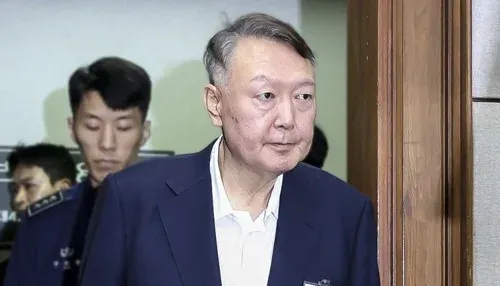
A Seoul court is set to rule Friday on whether former President Yoon Suk Yeol ordered drones into Pyongyang as a manufactured pretext for martial law — a charge that, combined with his existing life sentence, could define the most consequential legal reckoning in South Korean political history.
Key Takeaways
Seoul Central District Court will deliver its verdict on Friday, 13 June 2025 on former President Yoon Suk Yeol's drone infiltration charges.
Yoon is accused of ordering military drones over Pyongyang in October 2024 as a pretext to declare martial law on 3 December 2024 .
Special counsel Cho Eun-suk has demanded a 30-year prison term ; Yoon reportedly denied the main allegations during questioning.
Former Defence Minister Kim Yong-hyun and two other senior military officials also face rulings in the same case.
Yoon was separately sentenced to life in prison in February 2025 for his botched martial law declaration.
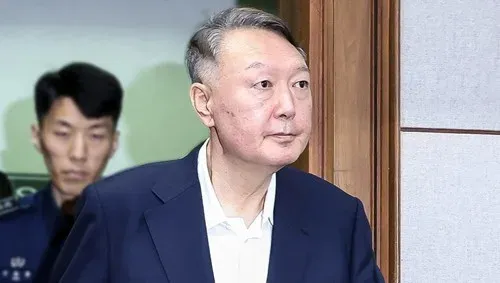
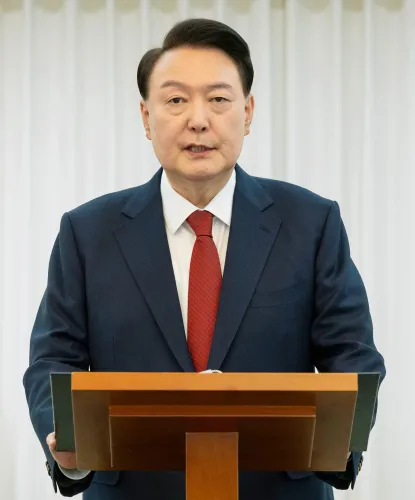
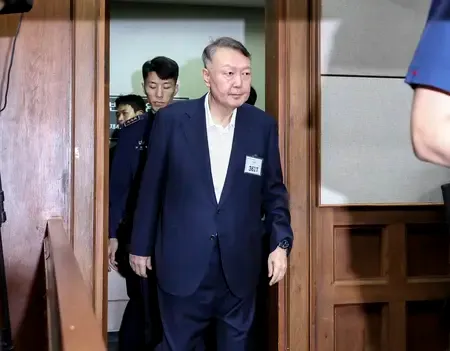
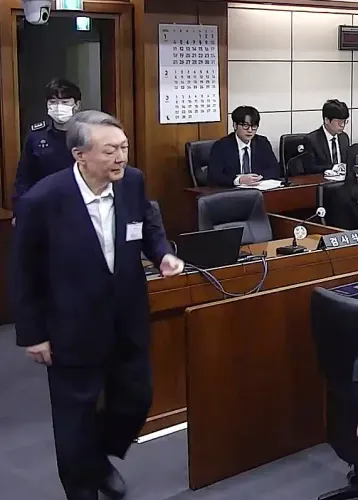
A Seoul Central District Court is set to deliver its verdict on Friday, 13 June 2025, on charges against former South Korean President Yoon Suk Yeol that he ordered military drones to fly over Pyongyang in October 2024 as a pretext to declare martial law. The charges include benefiting the enemy and abuse of authority, according to judicial officials.
Key Charges and Allegations
Yoon is accused of directing the South Korean military to conduct drone incursions into North Korean airspace over Pyongyang in October 2024, reportedly as a manufactured justification for his declaration of martial law on 3 December 2024. The special counsel team has argued that the operation heightened military tensions on the Korean Peninsula and resulted in the leak of military secrets.
A special counsel team led by Cho Eun-suk has demanded a 30-year prison term for the former president. Yoon reportedly denied the main allegations when questioned by the team led by special counsel Kwon Chang-young at the team's office in Gwacheon, just south of Seoul. He arrived at approximately 10 a.m. and departed around 4:30 p.m. — his first appearance before the team since its launch in February 2025.
Co-Accused Officials Also Face Rulings
The court is also expected to rule on three other senior officials connected to the alleged drone operation. Former Defence Minister Kim Yong-hyun, accused of leading the drone operation, faces charges of abuse of authority and destruction of military installations, among others. Also in the dock are Yeo In-hyung, former head of the Defence Counterintelligence Command, and Maj. Gen. Kim Yong-dae, former chief of the Drone Operations Command.
Background: Martial Law and Prior Sentencing
This week's verdict is separate from an earlier landmark ruling. In February 2025, Yoon was sentenced to life in prison for his botched martial law declaration — the first court ruling on that case. The drone infiltration charges represent a distinct but closely related legal thread, centred on whether the military incursions were deliberately engineered to create a security pretext.
Notably, the special counsel team had earlier also questioned Yoon on charges of abuse of power and obstruction of rights, in connection with messages allegedly used to justify the martial law declaration. The convergence of multiple serious charges underscores the scale of legal jeopardy facing the former president.
What Happens Next
Friday's hearing will be closely watched both domestically and internationally, given its implications for civil-military accountability in South Korea. A conviction on the 'benefiting the enemy' charge would carry particularly severe consequences under South Korean law. Legal observers expect the verdict to further define the boundaries of executive authority over military operations in the country.
Point of View
It would set a precedent that a sitting president can be held criminally liable for weaponising national security theatrics. South Korea's democracy has already absorbed one historic first with Yoon's life sentence; a second conviction this week would signal that its judiciary is prepared to prosecute the full chain of command, not just the man at the top. The inclusion of the Drone Operations Command chief and the Defence Counterintelligence head in the same ruling is the detail mainstream coverage is underplaying — it suggests the court is adjudicating institutional culpability, not just personal guilt.
NationPress
22 Oct 2026
Frequently Asked Questions
What are the drone infiltration charges against Yoon Suk Yeol?
Yoon Suk Yeol is accused of ordering the South Korean military to fly drones over Pyongyang in October 2024 as a pretext to justify his declaration of martial law on 3 December 2024. The charges include benefiting the enemy and abuse of authority.
When will the Seoul court deliver its verdict on Yoon?
The Seoul Central District Court is scheduled to hold the hearing and deliver its verdict on Friday, 13 June 2025. This is a separate proceeding from the earlier ruling in February 2025 that sentenced Yoon to life in prison.
What prison term has the special counsel demanded for Yoon?
The special counsel team led by Cho Eun-suk has demanded a 30-year prison term for Yoon Suk Yeol in connection with the drone infiltration charges. Yoon reportedly denied the main allegations during questioning.
Who else is facing a ruling alongside Yoon in this case?
Former Defence Minister Kim Yong-hyun, former Defence Counterintelligence Command head Yeo In-hyung, and former Drone Operations Command chief Maj. Gen. Kim Yong-dae are all expected to receive rulings in the same case.
How does this case relate to Yoon's earlier life sentence?
Yoon was sentenced to life in prison in February 2025 for his botched martial law declaration — the first ruling on that case. The drone infiltration charges are a distinct but related legal matter, focusing on whether the military incursions were deliberately staged as a pretext for that declaration.