10.40 lakh ASHAs, 10.58 lakh Anganwadi workers powering India's rural health grid
Synopsis
India's rural grassroots architecture is larger — and more diverse — than most realise. With 10.40 lakh ASHAs, 10.58 lakh Anganwadi workers, over 9 lakh CRPs, and Bank Sakhis who have channelled ₹13.41 lakh crore in SHG credit since 2013-14, DAY-NRLM has quietly become one of the world's largest women-led community institution networks, now pivoting toward enterprise promotion.
Key Takeaways
More than 10.40 lakh ASHAs and 10.58 lakh Anganwadi workers are active in community healthcare and early childhood services across rural India.
Over 9 lakh Community Resource Persons (CRPs) cover agriculture, banking, insurance, sanitation, and gender awareness at the village level.
DAY-NRLM has mobilised more than 10 crore rural households into approximately 92 lakh Self-Help Groups (SHGs) .
Bank Sakhis have facilitated ₹13.41 lakh crore in SHG bank credit since 2013-14 ; over 1.48 lakh BC Sakhis provide doorstep digital financial services.
As of June 2026 , 4.32 lakh enterprises have been supported under the Start-up Village Entrepreneurship Programme (SVEP) .
A new National Campaign on Entrepreneurship targets training 50,000 CRPs and providing enterprise development training to 50 lakh SHG members .
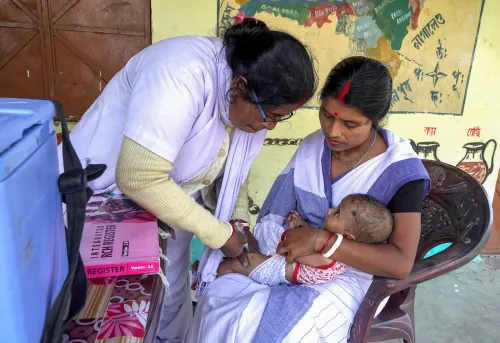
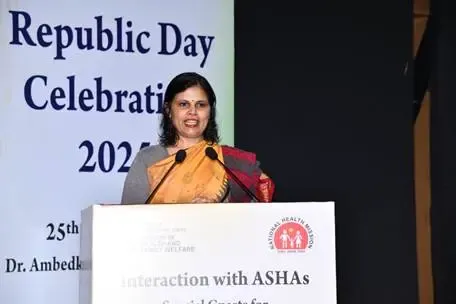
More than 10.40 lakh Accredited Social Health Activists (ASHAs) and 10.58 lakh trained Anganwadi workers are reinforcing community healthcare and early childhood services across rural India, enabling decentralised service delivery and strengthening local institutions, according to a government factsheet released on 20 September 2026. Together, these grassroots cadres form the human backbone of the Centre's rural welfare architecture.
A Grassroots Network Spanning Health, Agriculture and Finance
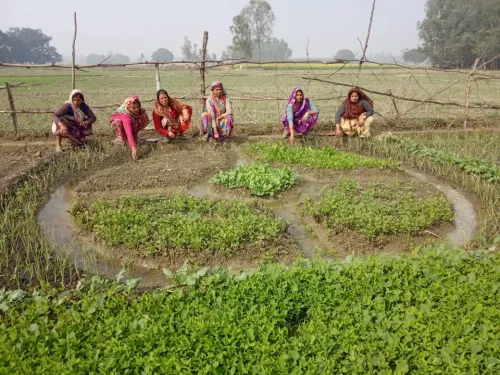
Beyond health workers, over 9 lakh Community Resource Persons (CRPs) are active at the village level, covering domains from agriculture to banking. Of these, nearly 4.08 lakh CRPs focus on livelihoods in agriculture and allied activities, operating under designations such as Krishi Sakhis, Pashu Sakhis, Matsya Sakhis, and Van Sakhis.
The remaining nearly 5 lakh CRPs work as Bank Sakhis, Business Correspondent Sakhis, Financial Literacy CRPs, Bima Sakhis, and Gender Champions, delivering essential services in financial inclusion, insurance, and community development. Swachhagrahis — frontline sanitation workers — add another layer of support at the ground level.
DAY-NRLM: The Institutional Engine Behind the Push
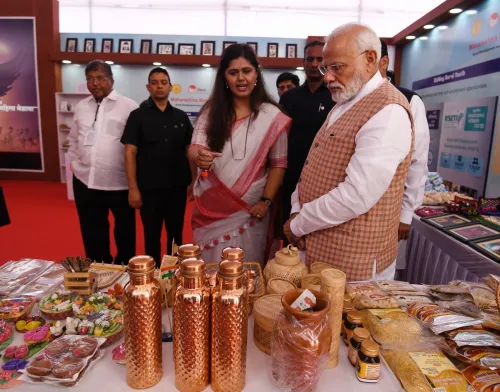
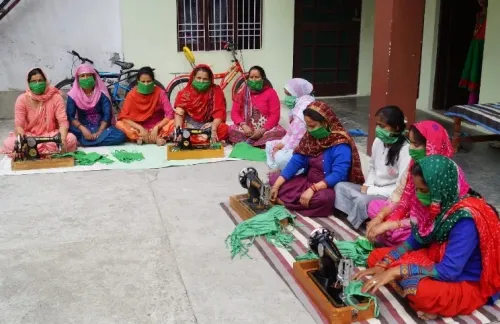
Central to this framework is the Deendayal Antyodaya Yojana – National Rural Livelihoods Mission (DAY-NRLM), which has built one of the country's largest women-led community institution networks. The mission has mobilised more than 10 crore rural households into approximately 92 lakh Self-Help Groups (SHGs) nationwide.
This institutional depth is being leveraged for entrepreneurship as well. Nearly 48,785 Udyog Sakhis are supporting non-farm livelihoods, and CRP-Enterprise Promoters (CRP-EPs) provide specialised support under the Start-up Village Entrepreneurship Programme (SVEP). As of June 2026, 4.32 lakh enterprises have been supported under SVEP.
National Entrepreneurship Campaign and Financial Access
Building on this network, the government is implementing a National Campaign on Entrepreneurship aimed at training 50,000 CRPs on enterprise promotion and delivering enterprise development training to 50 lakh SHG members, according to the factsheet.
On the financial inclusion front, over 1.48 lakh BC Sakhis — trained women community cadres under DAY-NRLM — are providing doorstep digital financial services including account opening, deposits, withdrawals, fund transfers, and balance inquiries. More than 50,548 branch-level Bank Sakhis facilitate credit linkage. Cumulatively, Bank Sakhis have helped SHGs access ₹13.41 lakh crore in bank credit since 2013-14.
Additionally, 56,727 Financial Literacy CRPs conduct village-level awareness campaigns to deepen financial knowledge in rural communities.
Why This Matters for Rural India
This convergence of health, agriculture, finance, and entrepreneurship through a single cadre-based architecture reflects a deliberate policy choice — using trained community intermediaries rather than top-down delivery to reach the last mile. The scale of ₹13.41 lakh crore in SHG credit linkage since 2013-14 underlines the long-term compounding impact of the model. Notably, the programme's reach is overwhelmingly women-led, with nearly all frontline worker categories comprising women, reinforcing its dual role as both a welfare mechanism and a gender empowerment instrument.
With the National Campaign on Entrepreneurship now layering enterprise training onto an already-dense network, the government appears to be pivoting this infrastructure from welfare delivery toward economic mobility — a significant evolution of the SHG model's original remit.
Point of View
Schemes) rather than outcomes (income change, health indicators, enterprise survival rates). The pivot from welfare delivery to enterprise promotion under SVEP is the right ambition, but 4.32 lakh supported enterprises across a country of 640,000 villages is still thin coverage. The real question the factsheet leaves unanswered is whether these cadres are adequately compensated and retained — ASHA worker pay disputes have repeatedly surfaced as a structural weakness in the very network the government is now celebrating.
NationPress
20 Sept 2026
Frequently Asked Questions
How many ASHA and Anganwadi workers are active in India in 2026?
As of the government's September 2026 factsheet, more than 10.40 lakh ASHAs and 10.58 lakh Anganwadi workers are active across rural India. They provide community healthcare, early childhood services, and facilitate convergence of government programmes at the village level.
What is DAY-NRLM and what has it achieved?
The Deendayal Antyodaya Yojana – National Rural Livelihoods Mission (DAY-NRLM) is the Centre's flagship rural livelihoods programme, which has mobilised more than 10 crore rural households into around 92 lakh Self-Help Groups. Its Bank Sakhis have helped these SHGs access ₹13.41 lakh crore in bank credit since 2013-14.
What are BC Sakhis and Bank Sakhis?
BC Sakhis (Business Correspondent Sakhis) and Bank Sakhis are trained women community cadres promoted under DAY-NRLM who act as grassroots financial intermediaries. Over 1.48 lakh BC Sakhis provide doorstep digital banking services in villages, while 50,548 branch-level Bank Sakhis facilitate credit linkage for SHGs.
What is the Start-up Village Entrepreneurship Programme (SVEP)?
SVEP is a government programme that deploys specialised CRP-Enterprise Promoters to support rural entrepreneurs in setting up non-farm businesses. As of June 2026, 4.32 lakh enterprises have been supported under the programme, with nearly 48,785 Udyog Sakhis also backing non-farm livelihoods.
What is India's National Campaign on Entrepreneurship?
The National Campaign on Entrepreneurship is a government initiative that aims to train 50,000 CRPs on enterprise promotion and provide enterprise development training to 50 lakh SHG members. It builds on DAY-NRLM's existing grassroots network to push rural households toward economic self-reliance beyond welfare transfers.