13 child labourers rescued from jewellery unit in Mumbai's Kandivali
Synopsis
Thirteen minors from West Bengal, aged 13 to 17, were found living and working up to ten hours a day inside a Mumbai jewellery unit — without pay and without documents. Police have detained two men and are now investigating whether an organised trafficking network brought the children from West Bengal to Mumbai's informal manufacturing belt.
Key Takeaways
13 minors aged 13 to 17 were rescued from Jhahara Fashion Era , an imitation jewellery unit in Kandivali West, Mumbai , on 20 August .
The children — all reportedly from West Bengal — were allegedly made to work 9 to 10 hours daily without adequate wages and were living at the workplace.
Unit owner Ankit Kumar Mahendra Rawal and operator Saminur Motiyar Rahman Shaikh have been detained and charged under the Child and Adolescent Labour Act and the Juvenile Justice Act .
Police are investigating whether a larger inter-state trafficking network is behind the operation.
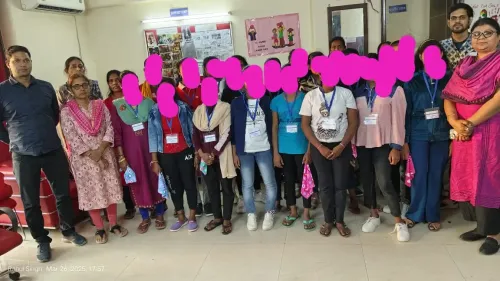
All 13 children have been handed over to child welfare authorities for care and further action.
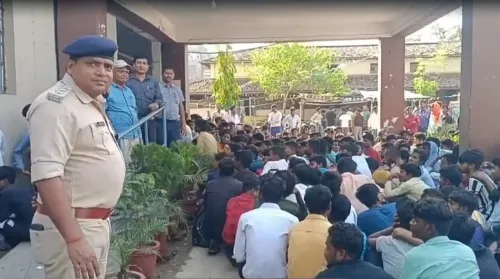
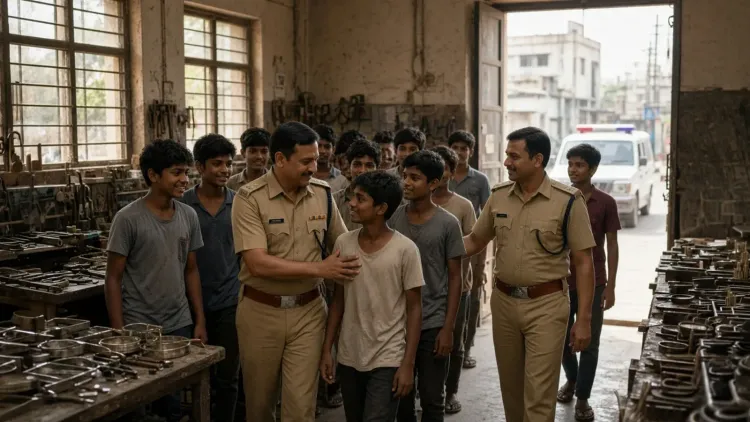
Charkop Police on Thursday, 20 August rescued 13 minors from an imitation jewellery manufacturing unit in Kandivali West, Mumbai, in a targeted crackdown on child labour. The children, reportedly aged between 13 and 17 years, were found working at a facility identified as Jhahara Fashion Era, located within the Charkop Industrial Estate.
What the Raid Uncovered
According to police officials, the minors were allegedly employed to manufacture imitation jewellery and bangles, and were made to work for nine to ten hours a day without adequate wages. Investigators found that the children were not only working at the premises but also living there — a detail that points to conditions of confinement. The unit's owner and operator reportedly failed to produce valid documents verifying the ages of the children.
Arrests and Charges
Police have detained Ankit Kumar Mahendra Rawal, the unit's owner, and Saminur Motiyar Rahman Shaikh, its operator. A case has been registered against both under relevant provisions of the Child and Adolescent Labour (Prohibition and Regulation) Act and the Juvenile Justice Act. All 13 children have since been handed over to the concerned department for care and further action.
A Possible Trafficking Network Under Scrutiny
Investigators are now probing how the children — all of whom reportedly hail from different districts of West Bengal — were brought to Mumbai. Police are examining whether a larger organised network facilitating child labour and possible trafficking is operating behind the racket. This cross-state dimension significantly raises the gravity of the case beyond a routine labour violation.
The Legal Framework
Under the Child and Adolescent Labour (Prohibition and Regulation) Act, 1986, as amended in 2016, the employment of children below the age of 14 is prohibited across all occupations, with narrow exceptions for non-hazardous family enterprises outside school hours. Adolescents between 14 and 18 are barred from hazardous occupations. Additionally, Article 24 of the Indian Constitution prohibits child employment in factories, mines, and hazardous settings, while Article 21A guarantees free and compulsory education for children aged 6 to 14.
What Happens Next
The rescued children are in the care of child welfare authorities. Police are expected to expand their investigation into the supply chain that funnelled minors from West Bengal into Mumbai's informal manufacturing sector. The case could trigger a wider audit of labour practices in the Charkop Industrial Estate and similar clusters across the city.
Point of View
Lacked age documentation, and were paid inadequately suggests a degree of organisation that goes well beyond a single unit owner cutting corners. Yet the legal machinery, as it stands, tends to prosecute the last link in the chain — the factory floor — while the recruiters and middlemen who make such operations possible often go undetected. Whether the police investigation travels up that chain will determine whether this case becomes a genuine deterrent or just another entry in a long ledger of rescues without systemic consequence.
NationPress
5 Oct 2026
Frequently Asked Questions
How many children were rescued in the Mumbai Kandivali child labour raid?
A total of 13 minors, reportedly aged between 13 and 17, were rescued from the Jhahara Fashion Era imitation jewellery unit in Kandivali West, Mumbai, on 20 August.
Who has been arrested in connection with the Kandivali child labour case?
Police have detained Ankit Kumar Mahendra Rawal, the unit's owner, and Saminur Motiyar Rahman Shaikh, its operator. Both have been charged under the Child and Adolescent Labour (Prohibition and Regulation) Act and the Juvenile Justice Act.
Where were the rescued children from?
All 13 children reportedly hail from different districts of West Bengal. Police are now investigating how they were brought to Mumbai and whether an organised inter-state network facilitated their movement.
What were the working conditions at the Kandivali jewellery unit?
According to police, the children were allegedly made to work nine to ten hours a day manufacturing imitation jewellery and bangles, were not paid adequate wages, and were living at the workplace itself.
What does Indian law say about child labour in factories?
The Child and Adolescent Labour (Prohibition and Regulation) Act, 1986, amended in 2016, prohibits employment of children below 14 in all occupations. Adolescents aged 14 to 18 cannot work in hazardous settings. Article 24 of the Constitution bars child employment in factories and mines, while Article 21A guarantees free and compulsory education for children aged 6 to 14.