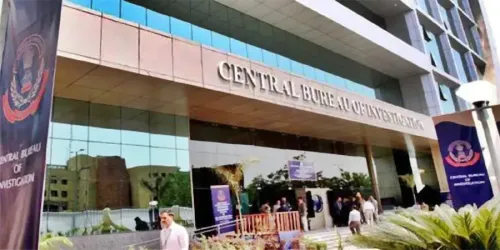
CBI court sentences 13 to 5 years in ₹3 crore UCO Bank fraud, Indore

Synopsis
A CBI court in Indore has convicted all 13 accused in a ₹3 crore UCO Bank fraud — a case that began with a 2012 complaint and took over 11 years to reach verdict. The convicts used forged sale deeds, fictitious identities, and third-party properties to swindle loans, and now face five years of rigorous imprisonment each.
Key Takeaways
A CBI special court in Indore sentenced 13 persons to five years of rigorous imprisonment in a UCO Bank fraud case.
The fraud caused a wrongful loss of more than ₹3 crore to UCO Bank ; the court imposed a total fine of ₹1.56 lakh .
The accused allegedly used forged sale deeds , fictitious identities , and third-party properties to obtain loans.
The CBI registered the case on 30 March 2012 and filed 10 chargesheets on 20 December 2013 .
All 13 accused — including Anil Patel , Manmohan Yadav , and Kalpana Patel among others — were convicted after trial across 10 separate cases.
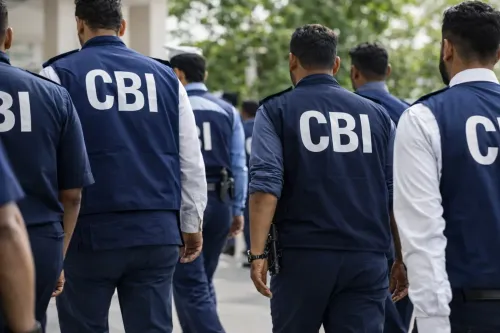
A Central Bureau of Investigation (CBI) special court in Indore has sentenced 13 persons to five years of rigorous imprisonment in a bank fraud case that caused a wrongful loss of more than ₹3 crore to UCO Bank. The court also imposed a cumulative fine of ₹1.56 lakh on the convicts, who were found guilty of using forged documents and third-party properties to fraudulently obtain loans.
Who Was Convicted
According to the CBI, the 13 convicted individuals are Anil Patel, Manmohan Yadav, Kailash Yadav, Mona Yadav, Deepak Yadav, Ashish Patel, Tulsiram Yadav, Mohan Yadav, Rajani Yadav, Sandeep Yadav, Satish Patel (Patil), Kalpana Patel, and Radha Yadav. All were found guilty after the court examined evidence across 10 separate trial proceedings.
How the Fraud Was Carried Out
The CBI alleged that the accused entered into a criminal conspiracy to secure loans from UCO Bank by mortgaging properties that actually belonged to third parties — not themselves. They reportedly showed different properties to bank valuers and used fictitious identities during the loan application process.
The accused also allegedly submitted forged sale deeds bearing fabricated signatures of Sub-Registrars, along with false SDO revenue diversion orders, to induce the bank to sanction the loans. The fraudulent transactions collectively caused a wrongful loss of more than ₹3 crore to UCO Bank, according to the agency.
Background and Investigation Timeline
The CBI registered the case on 30 March 2012, acting on a complaint lodged by the then Deputy Zonal Manager of UCO Bank at Indore. After completing its investigation, the agency filed 10 chargesheets on 20 December 2013. The court took cognisance and initiated trial proceedings across all 10 cases.
This case is part of a broader pattern of bank fraud prosecutions by the CBI involving forged property documents — a method that has surfaced repeatedly in cases across Madhya Pradesh and other states. The over-decade-long journey from complaint to conviction underscores the systemic delays that continue to dog financial fraud trials in India.
What the Verdict Means
'The court conducted the trial in the cases and, after examining the evidence and material placed before it, convicted and sentenced all the accused,' the CBI said in a statement. The agency noted that the convictions were the outcome of its investigation into the alleged conspiracy involving the fraudulent use of property documents and identities for obtaining bank loans.
With all 13 accused convicted and sentenced, the verdict marks a full closure of a case that has been in the judicial system for over 11 years since the chargesheets were filed. The fine of ₹1.56 lakh, however, is a fraction of the ₹3 crore loss suffered by the bank, raising questions about restitution for UCO Bank.
Point of View
Which is itself an indictment of India's financial crime judiciary. More telling is the arithmetic: the total fine imposed is ₹1.56 lakh against a ₹3 crore loss, meaning UCO Bank is unlikely to recover anything meaningful through this verdict alone. The CBI's use of 10 separate chargesheets for a single conspiracy also raises procedural questions about efficiency. Until financial fraud convictions are paired with credible asset recovery orders, deterrence will remain limited.
NationPress
14 Oct 2026
Frequently Asked Questions
What was the UCO Bank fraud case in Indore about?
The case involved 13 persons who allegedly conspired to defraud UCO Bank of more than ₹3 crore by mortgaging properties belonging to third parties and submitting forged sale deeds and false revenue documents to obtain loans. The CBI registered the case on 30 March 2012 based on a complaint from the then Deputy Zonal Manager of UCO Bank at Indore.
What sentence did the CBI court give the 13 convicts?
The CBI special court in Indore sentenced all 13 convicts to five years of rigorous imprisonment each. The court also imposed a cumulative fine of ₹1.56 lakh on the group.
Who are the 13 persons convicted in the Indore bank fraud case?
The convicted individuals are Anil Patel, Manmohan Yadav, Kailash Yadav, Mona Yadav, Deepak Yadav, Ashish Patel, Tulsiram Yadav, Mohan Yadav, Rajani Yadav, Sandeep Yadav, Satish Patel (Patil), Kalpana Patel, and Radha Yadav, as named by the CBI.
How did the accused carry out the bank fraud?
According to the CBI, the accused used fictitious identities, showed different properties to bank valuers, and submitted forged sale deeds with fabricated Sub-Registrar signatures along with false SDO revenue diversion orders to induce UCO Bank into sanctioning loans against third-party properties.
How long did the CBI case take to reach a verdict?
The CBI registered the case in March 2012 and filed 10 chargesheets in December 2013. The verdict came more than 11 years after the chargesheets were filed, highlighting the prolonged timelines that often characterise financial fraud trials in India.