Bangladesh 1971 genocide recognition urged at UN Human Rights Council
Synopsis
At the 62nd session of the UN Human Rights Council in Geneva, Human Rights Without Frontiers made a formal appeal to recognise the mass atrocities of Bangladesh's 1971 war of independence as genocide — arguing that the systematic, religion-based persecution of Hindu, Buddhist, and Christian minorities has been overlooked for decades, with direct consequences for minority communities in Bangladesh today.
Key Takeaways
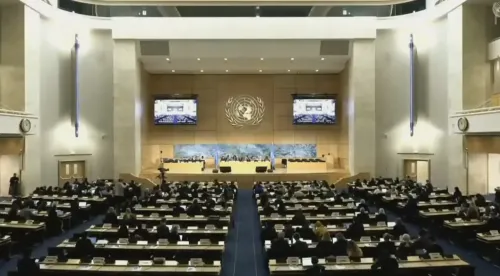
Human Rights Without Frontiers (Belgium) raised the question of recognising Bangladesh's 1971 mass atrocities as genocide at the 62nd UN Human Rights Council session in Geneva .
Founder Willy Fautre argued that Hindu , Buddhist , and Christian minorities were systematically targeted on religious grounds during the 1971 war — a dimension he says is routinely overlooked.
The organisation warns that without formal recognition, a 'culture of impunity' risks persisting, affecting present-day minority communities in Bangladesh .
The appeal connects historical accountability to ongoing reports of discrimination, land dispossession, and violence against religious minorities in Bangladesh .
Recognition is also argued to serve a constructive domestic role in Bangladesh through education, documentation, and memorialisation efforts.
A Belgium-based international human rights organisation raised the question of formally recognising the mass atrocities committed in Bangladesh in 1971 as genocide during the 62nd session of the United Nations Human Rights Council in Geneva. Human Rights Without Frontiers, represented by its founder Willy Fautre, argued that the systematic targeting of religious and ethnic minorities during Bangladesh's war of independence remains insufficiently acknowledged by the international community.
What Human Rights Without Frontiers Argued
Writing in Modern Diplomacy, Willy Fautre described the organisation's intervention as 'a deliberate effort to connect past injustice with present-day human rights concerns — particularly the protection of freedom of religion or belief.' He contended that while the mass killings and displacement of 1971 are widely documented, the religious dimension of the violence is routinely overlooked.
'Hindu communities, in particular, were singled out, identified, and persecuted on the basis of their religious identity. This was not incidental. It was part of a pattern of violence that used religion as a marker for exclusion and destruction,' Fautre wrote.
The Case for Formal Recognition
Human Rights Without Frontiers contends that without formal recognition of these atrocities as genocide, 'historical narratives remain incomplete, and the suffering of affected communities risks being marginalised or forgotten.' The organisation asserts that the religious dimension of the 1971 violence carries 'direct implications for the present and the future.'
According to the report, formal acknowledgement by the international community would reinforce 'a clear principle: that identity-based violence will not be ignored, whether it occurs in the past or the present.' The organisation argues this would strengthen global norms against mass atrocities and contribute to a more credible human rights framework.
Link to Present-Day Minority Rights in Bangladesh
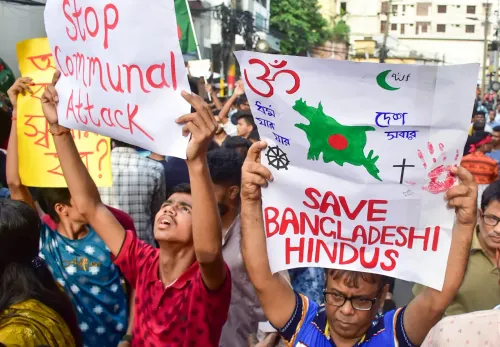
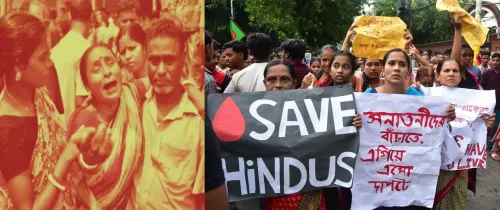
The appeal is explicitly tied to the current situation of religious minorities in Bangladesh, including Hindus, Buddhists, and Christians, who reportedly continue to face discrimination, land dispossession, and periodic violence. Human Rights Without Frontiers argues that a failure to establish historical accountability 'can contribute to an environment in which violations are insufficiently recognised or inadequately prevented.'
The report warns that this gap 'weakens the normative framework needed to protect vulnerable communities and risks perpetuating a culture of impunity' — connecting the unresolved history of 1971 directly to ongoing protection failures.
Constructive Role Within Bangladesh
Beyond international norm-setting, the report published in Modern Diplomacy emphasises that recognition could also serve a constructive domestic purpose within Bangladesh itself. It argues that acknowledgement could support efforts in education, documentation, and memorialisation, helping foster 'a more inclusive understanding of national history.'
The appeal at the UN Human Rights Council marks a renewed push to bring the religious dimensions of the 1971 conflict into formal international discourse, with the organisation signalling it intends to sustain this advocacy in future UN sessions.
Point of View
Where prevention mandates carry more procedural weight than historical grievance alone. What mainstream coverage tends to miss is that the religious dimension of the 1971 conflict has long been subordinated to the national liberation narrative — making it politically inconvenient for multiple parties. Whether the international community is willing to formally disaggregate genocide from liberation war, and what that means for Bangladesh's sovereignty narrative, is the harder question this appeal has quietly placed on the table.
NationPress
11 Oct 2026
Frequently Asked Questions
What did Human Rights Without Frontiers raise at the UN Human Rights Council?
Human Rights Without Frontiers urged the 62nd session of the UN Human Rights Council in Geneva to formally recognise the mass atrocities committed in Bangladesh in 1971 as genocide. The organisation argued that the systematic, religion-based targeting of Hindu, Buddhist, and Christian minorities during the 1971 war of independence has been insufficiently acknowledged internationally.
Who is Willy Fautre and what did he argue?
Willy Fautre is the founder of Human Rights Without Frontiers, a Belgium-based human rights organisation. Writing in Modern Diplomacy, he argued that Hindu communities in particular were 'singled out, identified, and persecuted on the basis of their religious identity' in 1971, and that this pattern constituted more than collateral violence in a war of independence.
Why does Human Rights Without Frontiers say recognition matters today?
The organisation argues that without formal recognition of the 1971 atrocities as genocide, a culture of impunity can persist, directly affecting religious minorities in Bangladesh — including Hindus, Buddhists, and Christians — who reportedly continue to face discrimination, land dispossession, and periodic violence. It contends that historical accountability strengthens the normative framework for protecting vulnerable communities.
What constructive role could recognition play within Bangladesh?
According to the report published in Modern Diplomacy, formal recognition could support education, documentation, and memorialisation efforts within Bangladesh, fostering a more inclusive understanding of the country's national history and contributing to stronger protections for minority communities going forward.
What was the broader context of this appeal at the UN?
The appeal was made during the 62nd session of the UN Human Rights Council in Geneva, where Human Rights Without Frontiers sought to situate the 1971 Bangladesh atrocities within a broader international conversation about accountability, prevention, and the protection of freedom of religion or belief — connecting a decades-old historical grievance to present-day human rights obligations.