CM Dhami Hails PM Modi as 51,000+ Youth Get Govt Jobs at 19th Rozgar Mela
Synopsis
Uttarakhand CM Pushkar Singh Dhami lauded PM Modi's leadership as the 19th Rozgar Mela saw over 51,000 young candidates receive central government appointment letters across Railways, Home Affairs, and Health departments, furthering the Viksit Bharat agenda.
Key Takeaways
Uttarakhand CM Pushkar Singh Dhami publicly praised PM Narendra Modi 's employment-focused governance on 23 May 2026 .
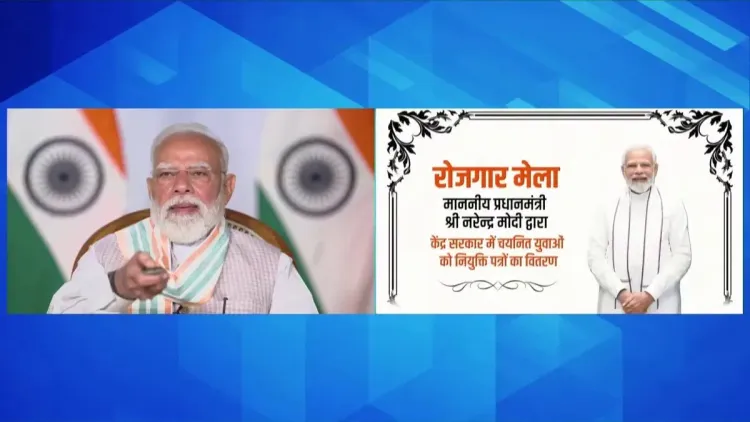
The 19th Rozgar Mela distributed appointment letters to more than 51,000 youth across central government departments.
Participating ministries include Railways, Home Affairs , and Health , among others.
The Rozgar Mela programme has been running since 2022 to expedite public-sector onboarding.
The initiative is framed as part of the Viksit Bharat national development mission.
CM Dhami extended congratulations to all newly appointed candidates and wished them a bright future.
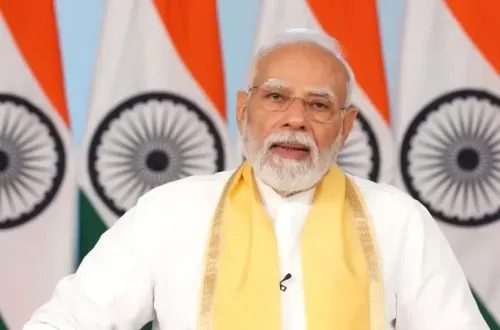
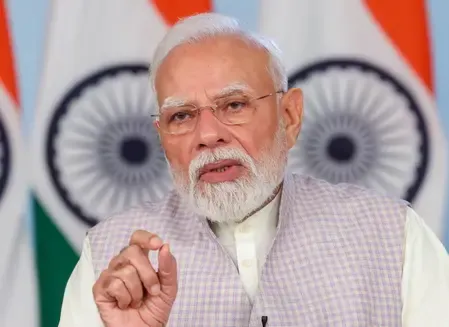
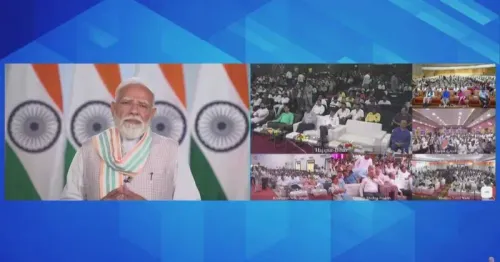
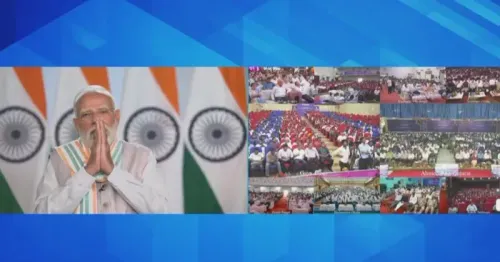
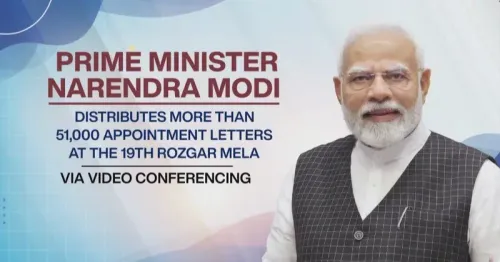
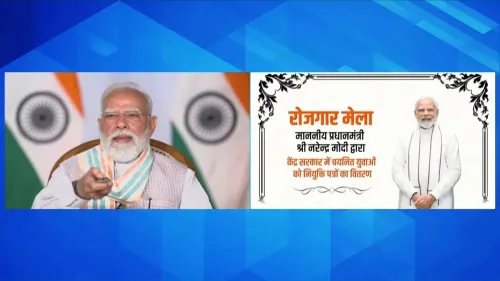
Uttarakhand Chief Minister Pushkar Singh Dhami on Saturday, 23 May 2026, praised the central government's employment-oriented policies, highlighting that Prime Minister Narendra Modi distributed appointment letters to more than 51,000 young recruits across central ministries at the 19th Rozgar Mela.
Context
Writing in Hindi on X, CM Dhami described PM Modi's leadership as 'दूरदर्शी' (visionary), crediting it for employment-focused policies that are, in his words, 'empowering youth and giving new strength to the resolve of a developed India.' The post specifically noted appointments across Railways, Home Affairs, Health, and several other central departments. Dhami extended congratulations to all newly appointed candidates and wished them a bright future.
The Rozgar Mela is a recurring central government initiative under which appointment letters are handed directly to selected candidates, bypassing procedural delays that have historically slowed public-sector onboarding. The 19th edition marks a continuation of a programme that has run periodically since its launch in 2022.
Policy Backdrop
Rozgar Melas were introduced as a mechanism to accelerate the issuance of appointment letters for centrally recruited posts and to visibly signal the government's commitment to reducing unemployment in the formal public sector. The events are typically presided over by the Prime Minister and broadcast live, giving them national visibility beyond the immediate beneficiaries.
Ministries such as Railways — one of India's largest public-sector employers — along with Home Affairs (which recruits for paramilitary and administrative roles) and Health (which hires medical and support staff) are consistent participants. The initiative is framed by the ruling Bharatiya Janata Party (BJP) as integral to its Viksit Bharat ('Developed India') agenda, linking individual employment to a broader national development goal.
Stakeholders and Impact
The immediate beneficiaries are the 51,000-plus candidates who received appointment letters at this edition of the mela. These individuals, drawn from across India, now enter central government service in technical, administrative, paramilitary, and health-related roles. For many, a central government appointment represents job security, structured pay scales, and social mobility.
State-level leaders like CM Dhami amplify these events to reinforce alignment with the Centre's policy direction, particularly in BJP-governed states such as Uttarakhand. The optics also serve to reassure youth voters — a critical demographic — that the government is actively converting recruitment cycles into tangible outcomes rather than pending results.
What's Next
The government is expected to announce subsequent editions of the Rozgar Mela as ministries continue to fill existing vacancies. Cumulative appointment figures across all editions will be a key metric watched by both policy analysts and opposition parties assessing the programme's actual dent in public-sector vacancy backlogs. The framing of such drives within the Viksit Bharat narrative suggests they will remain a fixture of BJP's political communication ahead of state and national electoral cycles.
Point of View
Converting bureaucratic recruitment outcomes into high-visibility events that reinforce the party's youth outreach. CM Dhami's amplification of the event from Uttarakhand underscores how state-level BJP leaders are tightly coordinated with the Centre's messaging architecture. The consistent linkage to 'Viksit Bharat' signals that employment drives will remain central to the ruling party's narrative well into the next electoral cycle. Whether the cumulative pace of appointments meaningfully closes India's large public-sector vacancy gap remains the substantive policy question observers will track.
NationPress
27 Sept 2026
Frequently Asked Questions
What is the Rozgar Mela and when did it start?
The Rozgar Mela is a central government initiative launched in 2022 to distribute appointment letters directly to selected candidates for central government posts, reducing delays in public-sector onboarding.
How many youth got jobs at the 19th Rozgar Mela?
More than 51,000 young candidates received appointment letters at the 19th Rozgar Mela, covering positions in Railways, Home Affairs, Health, and other central departments.
Which ministries participated in the 19th Rozgar Mela?
The 19th Rozgar Mela included recruitment from the Ministry of Railways, Ministry of Home Affairs, Ministry of Health, and several other central government departments.
What did CM Pushkar Singh Dhami say about the Rozgar Mela?
CM Dhami praised PM Modi's visionary leadership, stating that the government's employment-oriented policies are empowering youth and strengthening the resolve of a developed India, and he congratulated all newly appointed candidates.
What is Viksit Bharat and how does the Rozgar Mela connect to it?
Viksit Bharat, meaning 'Developed India', is the BJP-led central government's long-term national development goal. Rozgar Melas are framed as part of this mission by ensuring youth actively participate in nation-building through public-sector employment.