Two-wheelers dominate India commute; workers spend ₹785/month: NSO survey
Synopsis
India's first detailed national commute survey by the NSO reveals a two-wheeler-dominated workforce spending ₹785 a month on travel — but with urban workers paying nearly 70% more than rural peers and metro rail still confined to three states. The data exposes how uneven India's transport infrastructure truly is.
Key Takeaways
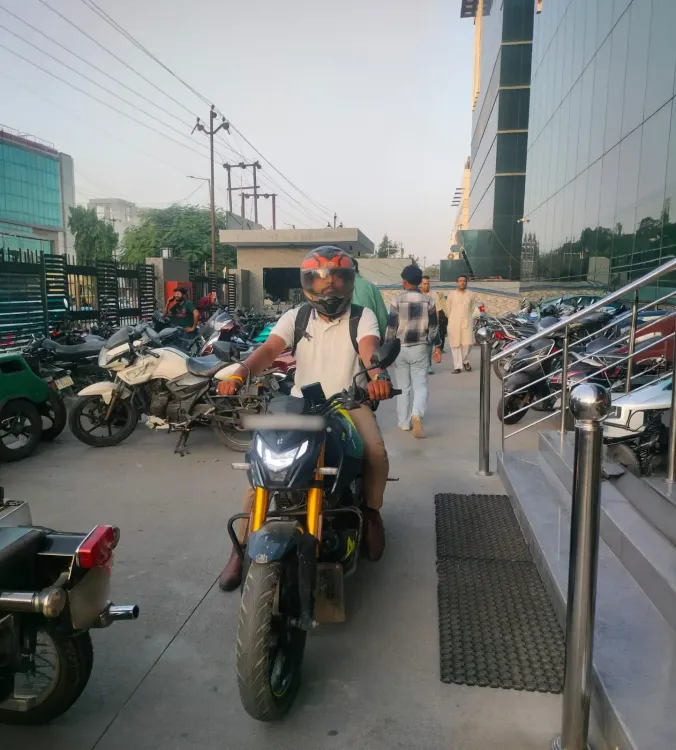
Two-wheelers are the top commute mode for workers in India, used by 42.6% of those travelling to fixed workplaces, per the NSO survey released on 5 October 2026 .
Average monthly commuting expenditure is ₹785 per worker nationally — ₹1,044 for urban and ₹612 for rural workers.
83.4% of workers and 87.6% of students reach their destinations in under 30 minutes .
Metro, suburban rail, and monorail serve only 5% of urban commuters nationally but reach 20.7% in Maharashtra , 16.5% in West Bengal , and 14.4% in Delhi .
Male workers ( 61.9% ) are significantly more likely than female workers ( 41.9% ) to make daily sub- 1 km work trips.
Students aged 15–29 show the highest regular commute participation — 79.1% in rural and 73.3% in urban India.
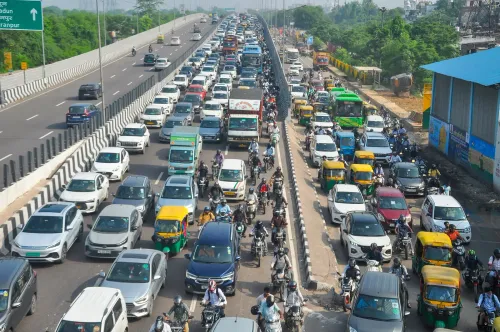
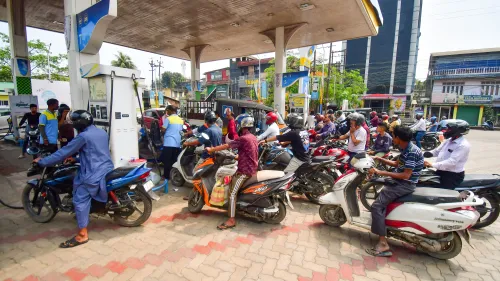
Two-wheelers are the single most prevalent mode of transport for commuting to fixed workplaces across India, used by 42.6% of the workforce, while the average monthly expenditure on work-related travel stands at ₹785 per worker, according to a survey released by the National Statistics Office (NSO) on Monday, 5 October 2026. The findings offer the most detailed national snapshot yet of how Indians travel to work and school.
Urban-Rural Commute Cost Divide
The urban-rural gap in commuting costs is stark. Urban workers spend an average of ₹1,044 per month on travel to workplaces, nearly 70% more than the ₹612 per month recorded for rural workers. This disparity reflects both longer distances and greater dependence on paid transport modes in cities.
About 57.6% of workers travel more than 1 km to reach their place of work. Over half of all workers aged 15 years and above undertake within-travel-day trips to fixed or non-fixed workplaces — 54.5% in rural areas compared to 64.1% in urban areas.
Commute Times: Most Workers Reach Within 30 Minutes
The survey found that 83.4% of workers commute to their fixed workplaces in less than 30 minutes. States such as Rajasthan, Gujarat, and Madhya Pradesh record average travel times of around 20–23 minutes, with comparatively higher travel times observed in parts of southern India. North-eastern states, including Assam and neighbouring states, show considerably shorter travel times of 15 to 19 minutes.
A notable gender gap also emerges in daily work-trip participation: 61.9% of male workers undertake daily work trips of less than 1 km, compared to 41.9% of female workers nationally.
Metro Rail and Mass Transit: A Big-City Phenomenon
While monorail, metro, suburban rail, and trams collectively account for just 5.0% of urban worker commutes nationally, usage is significantly concentrated in a few states. Maharashtra leads at 20.7%, followed by West Bengal at 16.5% and Delhi at 14.4%. The data underscores that mass rapid transit remains largely a metropolitan privilege rather than a mainstream commuting option.
Student Travel Patterns
Around 87.6% of students reach their educational institutions within 30 minutes. Nearly two-thirds of students aged 6 years and above travel at least 1 km for their basic-course institution — 65.6% in rural areas and 68.1% in urban areas.
Students aged 15–29 record the highest regular trip participation, at 79.1% in rural India and 73.3% in urban India for daily educational commutes. Autorickshaws serve 10.5% of commuting students overall, rising to 14.4% in urban areas, while two-wheelers account for 6.7% of student commutes nationally and 11.5% in urban areas.
As India's urban population continues to grow and infrastructure investments expand beyond metro cities, the survey's findings are likely to inform transport policy, public transit planning, and last-mile connectivity programmes in the years ahead.
Point of View
The data shows it remains a privilege of three or four cities rather than a national solution. Two-wheelers dominate not by choice alone but by default — they fill the gap where public transit does not reach. The urban-rural cost gap of nearly 70% in commuting expenditure also points to a real drag on rural workers' disposable income that policy conversations rarely quantify. Gender disparity in daily trip participation deserves specific attention; the lower rate among female workers likely reflects both safety concerns and unequal access to personal vehicles, neither of which is addressed by infrastructure spending alone.
NationPress
6 Oct 2026
Frequently Asked Questions
What did the NSO commute survey find about two-wheelers in India?
The NSO survey released on 5 October 2026 found that two-wheelers are the most common mode of transport for commuting to fixed workplaces in India, used by 42.6% of workers. They also account for 6.7% of student commutes nationally, rising to 11.5% in urban areas.
How much do Indian workers spend on commuting every month?
The average monthly commuting expenditure for workers travelling to a fixed workplace is ₹785 per worker nationally, according to the NSO survey. Urban workers spend significantly more at ₹1,044 per month, compared to ₹612 for rural workers.
How long does the average Indian worker spend commuting?
The NSO survey found that 83.4% of workers reach their fixed workplaces in less than 30 minutes. States such as Rajasthan, Gujarat, and Madhya Pradesh average 20–23 minutes, while north-eastern states including Assam record shorter times of 15–19 minutes.
How widely is metro rail used for commuting in India?
Metro, monorail, suburban rail, and trams collectively account for just 5% of urban worker commutes nationally. Usage is concentrated in Maharashtra (20.7%), West Bengal (16.5%), and Delhi (14.4%), indicating mass transit remains a big-city phenomenon.
How do student commute patterns compare with worker commutes in India?
Students fare slightly better than workers on travel time, with 87.6% reaching educational institutions within 30 minutes, compared to 83.4% of workers. Nearly two-thirds of students aged 6 and above travel at least 1 km, with autorickshaws serving 10.5% of student commuters overall.