26/11 to Operation Sindoor: How India's terror response hardened
Synopsis
In 17 years, India has gone from diplomatic protests after 26/11 to precision strikes on nine terror camps in Pakistan and PoK. A new report tracks that arc through Uri, Balakot and Operation Sindoor, citing falling terror fatalities — but warns cross-border networks are still adapting.
Key Takeaways
A media report says India moved from defensive and diplomatic responses after 26/11 to targeted cross-border military operations.
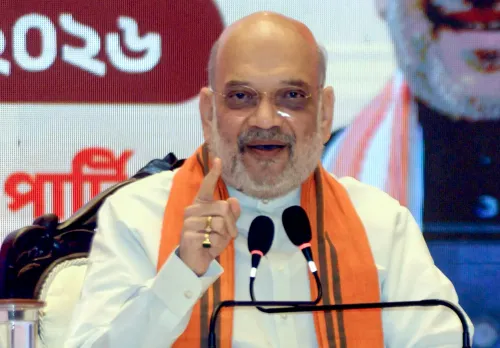
Home Minister Amit Shah , at the NIA Anti-Terror Conference, called for a whole-of-government approach targeting handlers, finances and local facilitators.
Shah lauded forces for the killing of Latif Bhatt , the last known locally active terrorist in Jammu and Kashmir .
Operation Sindoor , launched on 6–7 May 2025 after the Pahalgam attack that killed 26 , struck nine terror camps in Pakistan and PoK.
South Asia Terrorism Portal data shows a substantial fall in terror-related fatalities over the years.
The report warns cross-border networks and changing tactics still test India's security apparatus.
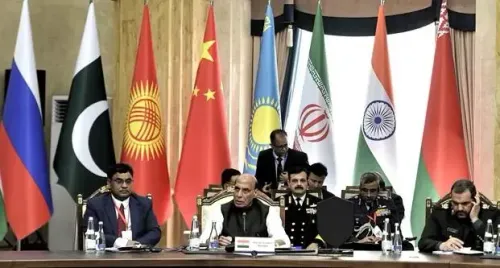
India's counter-terrorism posture has moved from defensive measures and diplomatic protests after the 26/11 Mumbai attacks to targeted military strikes on terror infrastructure across the border, culminating in Operation Sindoor, according to a media report published around 29 November. The assessment, released in New Delhi, cites data from the South Asia Terrorism Portal showing a substantial decline in fatalities linked to terror-related incidents over the years.
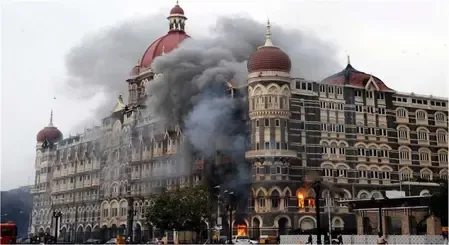
The report comes as the country marks the anniversary of the Mumbai attacks, which unfolded between 26 and 29 November 2008.
Amit Shah Calls for Whole-of-Government Approach
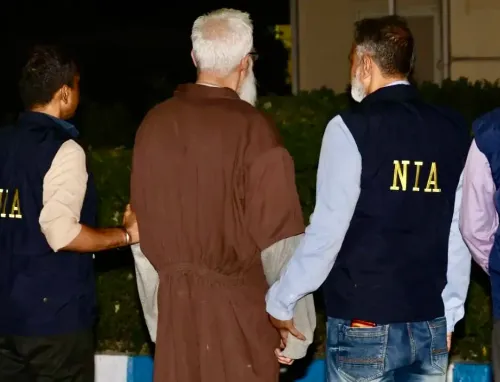
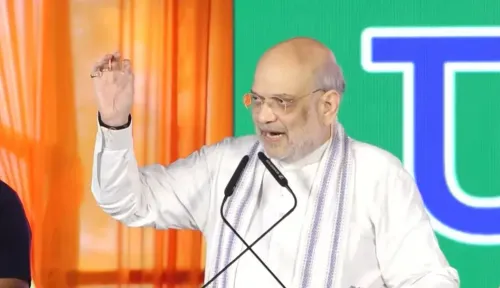
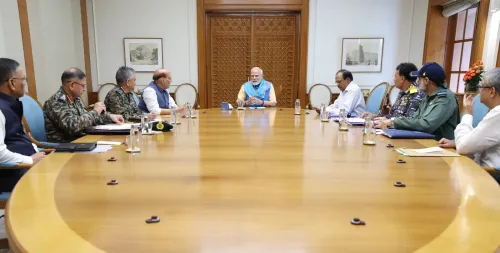
At the recent Anti-Terror Conference of the National Investigation Agency (NIA), Union Home Minister Amit Shah stressed the need for a coordinated, whole-of-government strategy to dismantle the entire terror ecosystem. He listed its components as cross-border handlers, financial networks, organised crime linkages and local facilitators.
Shah congratulated the police and the armed forces for making the country safer, including for the killing of Latif Bhatt in Jammu and Kashmir, described as the last known locally active terrorist. He underlined the importance of preventive action by security forces to thwart attacks before they occur.
From IC-814 to 26/11: The Turning Point
According to the report by 'Page 3 news', the December 1999 hijacking of Indian Airlines flight IC-814 exposed the “threat” posed by Pakistan-based terrorist organisations to India. The Mumbai attacks, however, marked a “turning point” in the nation's internal security debate.
The 26/11 attacks were a series of coordinated shootings and bombings carried out by ten heavily armed members of the Pakistan-based group Lashkar-e-Taiba (LeT). They remain among the deadliest terror strikes on Indian soil and reshaped how the country thought about coastal security, intelligence-sharing and urban counter-terror response.
A More Assertive Doctrine After 2014
The report noted that after the Bharatiya Janata Party (BJP)-led government came to power in 2014, India adopted a more assertive approach. On the surgical strikes that followed the terror attack on the Indian Army's Uri camp, it said: “The operation (in Uri) was widely seen as a departure from India's earlier approach, signalling its willingness to undertake targeted military action across the Line of Control in response to major terror attacks.”
The air strikes on a Jaish-e-Mohammed facility in Pakistan's Balakot — carried out after 40 Central Reserve Police Force (CRPF) personnel were killed in a suicide attack on their convoy in Pulwama — reflected a further expansion of India's military response to Pakistan-sponsored terrorism, the report said.
Operation Sindoor and the Expanded Response
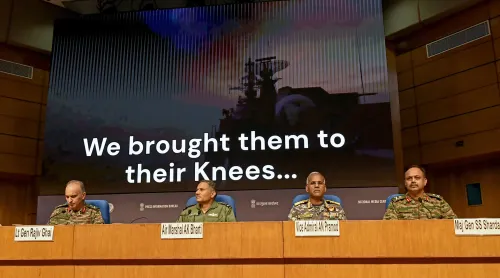
Indian armed forces launched Operation Sindoor on 6 and 7 May 2025 in retaliation for the Pahalgam terror attack, in which 26 innocent people were killed by Pakistan-backed terrorists. Forces carried out precision strikes on nine high-value terror camps in Pakistan and Pakistan-occupied Kashmir.
The report said the operation demonstrated the “expanded scope of India's response to major terrorist attacks, extending beyond diplomatic measures and targeted operations along the Line of Control”. Notably, each successive response — Uri, Balakot, Sindoor — has pushed the geographic and operational envelope further.
Challenges That Remain
The report concluded that falling fatalities among civilians and security personnel, along with the growing use of targeted operations, “reflects important changes in the security landscape”. It cautioned, however, that cross-border terror networks, their support structures and evolving methods of operation continue to test India's security apparatus.
With Shah's emphasis on choking financing and local facilitation, the next phase of India's counter-terror strategy is likely to focus as much on networks and money trails as on cross-border strikes.
Point of View
Balakot, Sindoor — has established that major attacks now carry a military cost for Pakistan-based groups, a real doctrinal change from the restraint after 26/11. But falling fatalities are a lagging indicator, and deterrence built on retaliation is only as strong as the next response. Shah's focus on finance, organised crime and local facilitators is the less glamorous but more decisive front. The test is whether India can prevent the next Pahalgam, not merely answer it.
NationPress
29 Nov 2026
Frequently Asked Questions
What does the report say about India's counter-terrorism shift?
It says India has moved from largely defensive and diplomatic responses after the 26/11 Mumbai attacks to targeted military operations against terror infrastructure across the border. It cites Uri, Balakot and Operation Sindoor as milestones in that shift.
What was Operation Sindoor?
Operation Sindoor was launched by Indian armed forces on 6 and 7 May 2025 in retaliation for the Pahalgam terror attack that killed 26 people. Forces carried out precision strikes on nine high-value terror camps in Pakistan and Pakistan-occupied Kashmir.
What did Amit Shah say at the NIA Anti-Terror Conference?
Home Minister Amit Shah called for a coordinated, whole-of-government approach to dismantle the entire terror ecosystem, including cross-border handlers, financial networks, organised crime linkages and local facilitators. He also stressed preventive action by security forces.
Who was Latif Bhatt?
Latif Bhatt was described as the last known locally active terrorist in Jammu and Kashmir. Amit Shah congratulated security forces for his killing.
Have terror-related deaths in India declined?
Yes, according to South Asia Terrorism Portal data cited in the report, deaths of terrorists, security personnel and civilians in terror-related incidents have fallen substantially over the years. The report cautions that cross-border networks continue to pose challenges.