Dengue cases cross 5,000 in West Bengal; 29 municipalities, 278 panchayats flagged
Synopsis
West Bengal's dengue caseload more than doubled in a single month — from under 2,500 in August to over 5,000 by mid-September — forcing the state health department to map 29 municipalities, 85 blocks, and 278 panchayats as active hotspots. Murshidabad leads with 1,072 cases, and officials say self-medication among fever patients is making an already serious outbreak harder to contain.
Key Takeaways
West Bengal recorded 5,002 dengue cases as of 11 September 2026 , more than double the sub- 2,500 tally logged at the same point in August.
The state health department has designated 29 municipalities , 85 community development blocks , and 278 village panchayats as dengue hotspots.
Murshidabad is the worst-affected district with 1,072 cases, followed by Kolkata at 500 and North 24 Parganas at 450 .
A panchayat with 10+ cases, a block with 30+ cases, or a municipality where most wards have 5+ cases qualifies as a hotspot under the department's formula.
Self-medication among fever patients is flagged as a key factor aggravating the outbreak; intensive awareness drives and door-to-door surveillance are under way.
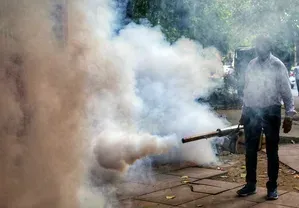
Larvicides are being deployed at breeding sites including ponds, drains, unused wells, and factories across affected zones.
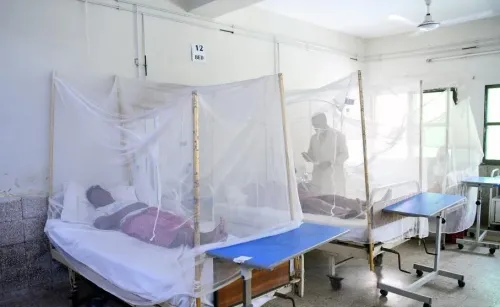
West Bengal's dengue caseload has surpassed 5,000 this year, prompting the state health department to formally designate 29 municipalities, 85 community development blocks, and 278 village panchayats as active hotspots. The latest bulletin, published on Sunday, 14 September 2026, recorded 5,002 affected individuals as of 11 September — more than double the figure logged at the same point in August, when total cases stood below 2,500.
How Hotspots Are Being Identified
The health department is applying a specific threshold-based formula to classify hotspot zones. A village panchayat is flagged if it records 10 or more dengue patients; a community block is marked if more than 30 people test positive; and a municipality qualifies when the majority of its wards each report five or more dengue-affected persons. Officials say this structured classification allows health workers to concentrate intensive and randomised blood-sample testing where transmission risk is highest.
Districts Bearing the Heaviest Burden
According to departmental data, Murshidabad district has recorded the highest caseload at 1,072 confirmed cases so far. Kolkata follows at 500, and North 24 Parganas accounts for 450 cases. Together, these three zones represent a significant share of the statewide total, underscoring the urban-rural spread of the current outbreak.
Self-Medication a Growing Concern
Health officials say one of the most alarming trends is that residents in several hotspot areas with fever lasting two or more days are opting for self-medication rather than seeking clinical consultation. 'What has kept us especially worried is that in many of these hotspots, people having fever for two or more days are often resorting to self-medication instead of consulting any medical practitioner. This is aggravating the crisis,' an official from the state health department said. Authorities are conducting mass awareness drives urging residents to visit the nearest health centre or consult a doctor instead of self-medicating.
Surveillance and Prevention Measures on the Ground
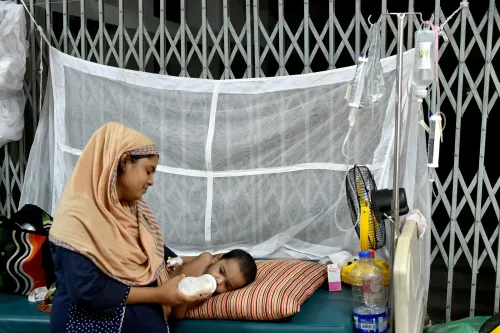
Health workers are carrying out door-to-door surveillance across affected areas, advising households to keep water tanks and cisterns covered, use mosquito nets where covers are unavailable, and prevent water from stagnating in flowerpots and abandoned containers on rooftops. The department is also monitoring ponds, drains, pools, dry canals, unused wells, and factories for mosquito breeding sites. Larvicides are being deployed in line with standard health guidelines.
What the Surge Signals
The near-doubling of cases within a single month — from under 2,500 in August to over 5,000 by mid-September — points to a sharp seasonal acceleration consistent with post-monsoon dengue patterns across eastern India. This comes amid broader concerns about waterlogging and inadequate vector-control infrastructure in rural panchayat areas. How quickly the hotspot-focused testing and awareness drives contain transmission will determine whether the outbreak stabilises before the end of the season.
Point of View
Inadequate larvicide coverage in rural panchayats, and a public that still reaches for a paracetamol strip before a test kit. The hotspot-mapping framework is the right instinct, but the state's own data shows the classification system is reactive: by the time a panchayat crosses 10 cases, the transmission chain is already established. What is conspicuously absent from the official response is a district-level breakdown of testing capacity — without that, the 'intensive blood-sample testing' pledge remains unverifiable. Murshidabad's caseload of over 1,000 in a single district also raises questions about whether the Centre's National Vector Borne Disease Control Programme resources are being adequately channelled to Bengal's eastern districts.
NationPress
14 Sept 2026
Frequently Asked Questions
How many dengue cases have been reported in West Bengal in 2026?
West Bengal recorded 5,002 dengue cases as of 11 September 2026, according to the state health department's latest bulletin. The figure more than doubled in a single month — the statewide total was below 2,500 at the same point in August.
Which districts in West Bengal are worst affected by dengue?
Murshidabad is the hardest-hit district with 1,072 confirmed cases, followed by Kolkata at 500 and North 24 Parganas at 450, according to the state health department's data.
How does the West Bengal health department define a dengue hotspot?
A village panchayat is classified as a hotspot if it has 10 or more dengue patients; a community development block qualifies if more than 30 people test positive; and a municipality is flagged when the majority of its wards each report five or more affected persons.
What steps is the West Bengal government taking to control the dengue outbreak?
The health department is conducting intensive and randomised blood testing in designated hotspots, running mass awareness drives against self-medication, deploying health workers for door-to-door surveillance, and applying larvicides at breeding sites such as ponds, drains, and unused wells.
Why are health officials worried about self-medication in dengue hotspots?
Officials say residents with fever lasting two or more days — a key dengue symptom — are frequently self-medicating instead of getting tested, which delays diagnosis and allows transmission to continue unchecked. The department is urging such individuals to visit the nearest health centre or consult a doctor immediately.